
If you are a dancer, these frustrating conditions or injuries might sound familiar to you:
A. Hypermobility
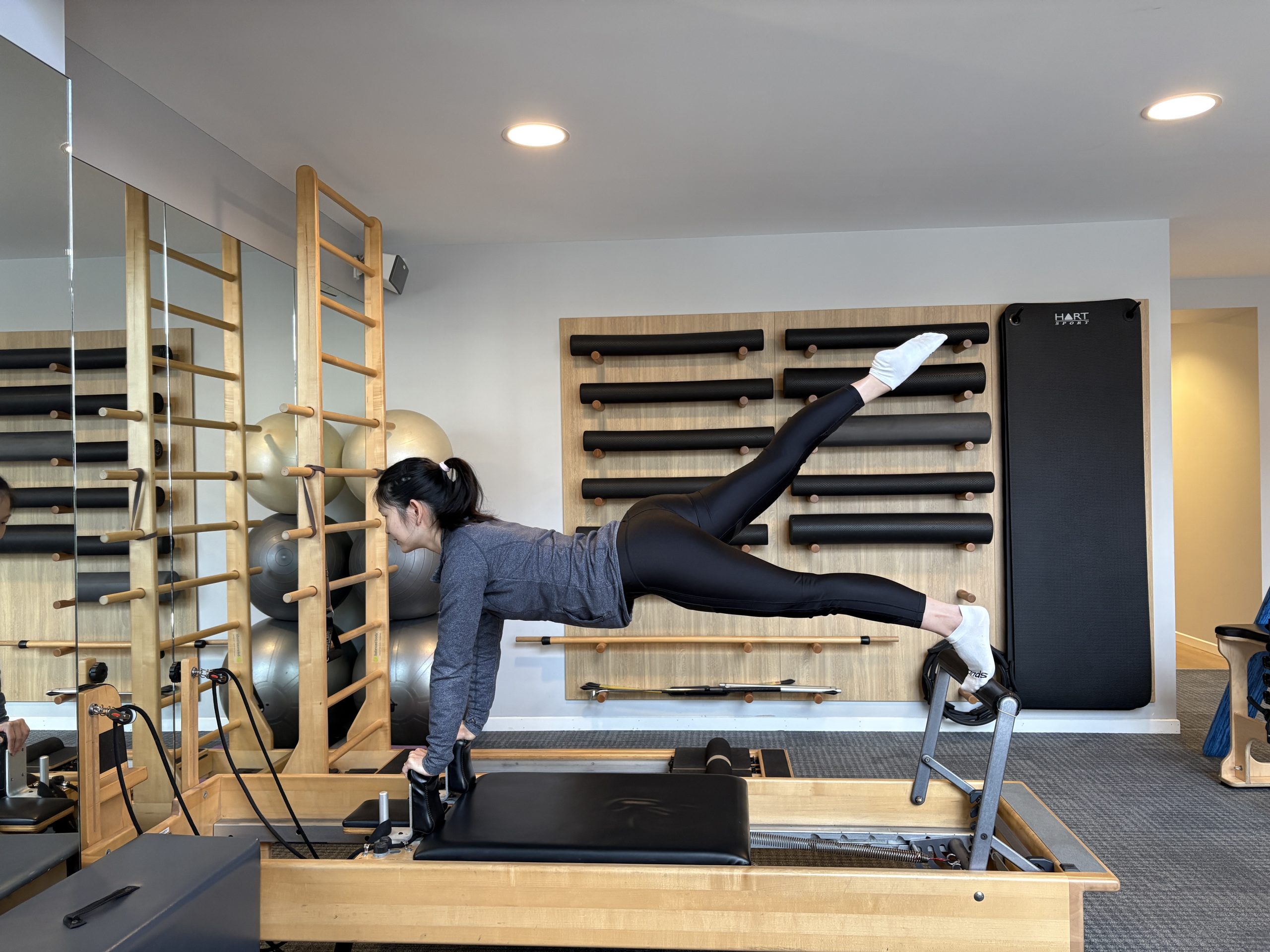
Many dancers who started training from a young age are very flexible, particularly in the spine, hips, knees and ankles. The challenge now is to control that flexibility. Frequent large powerful movements that push joints to end ranges increase the risk of injuring structures that are designed to protect those joints.
Your physiotherapist’s role:
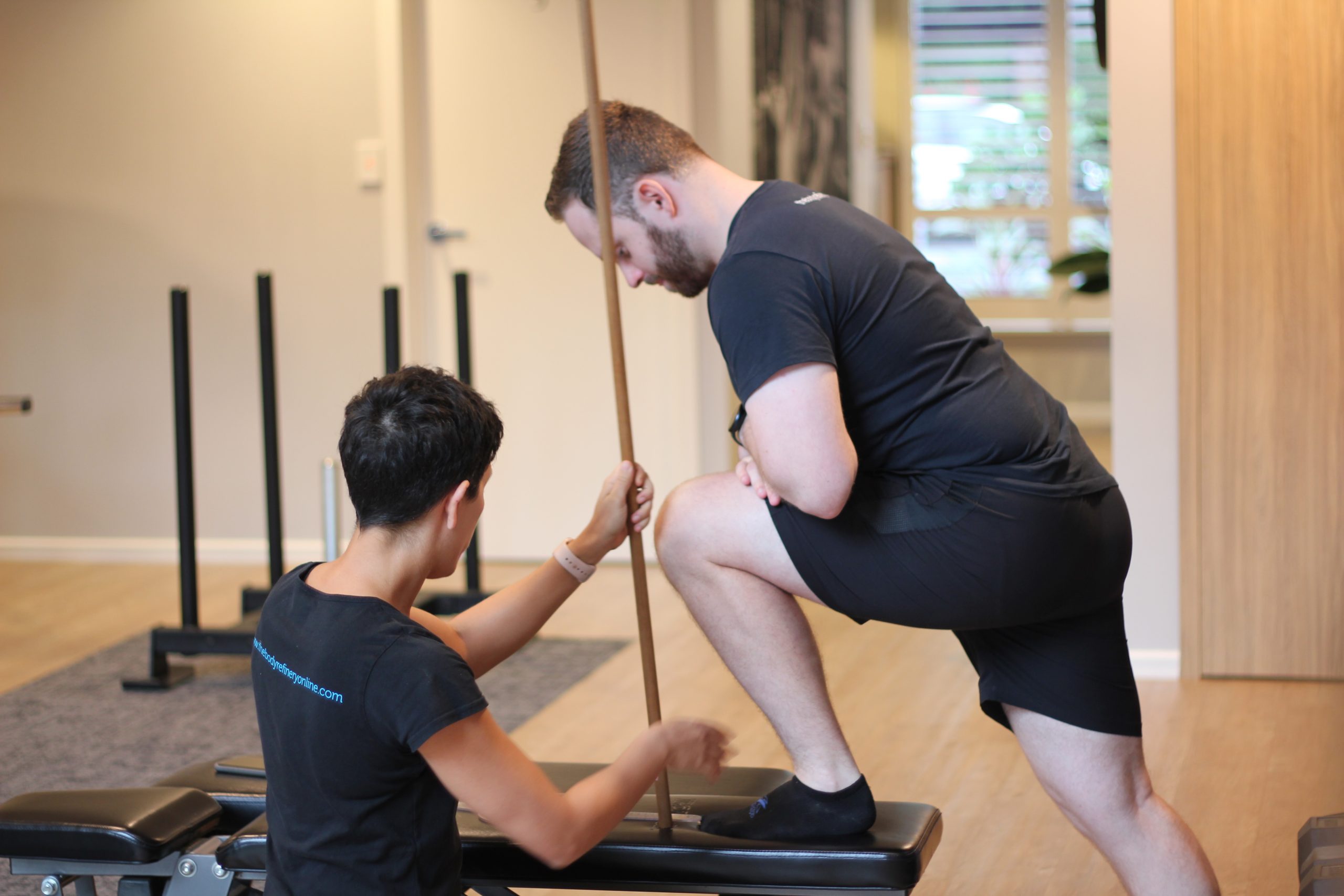
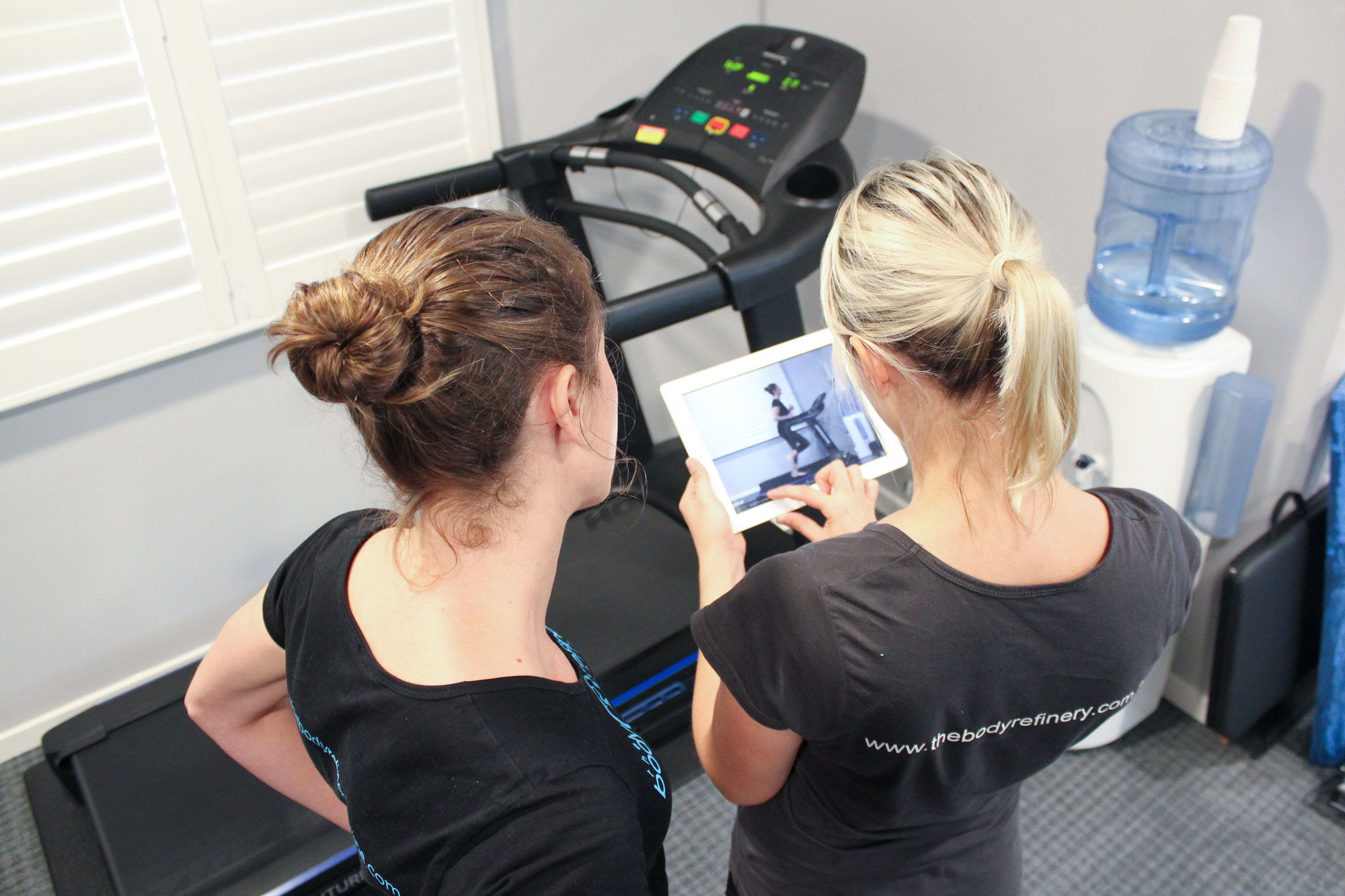
- Assess range of motion in hypermobile joints, as well as the strength and control around them.
- Build awareness of body alignment and joint position in space.
- Strengthen muscles surrounding hypermobile joints, with additional emphasis on core and trunk strength, to reduce the risk of injuries.
B. Ankle Sprain
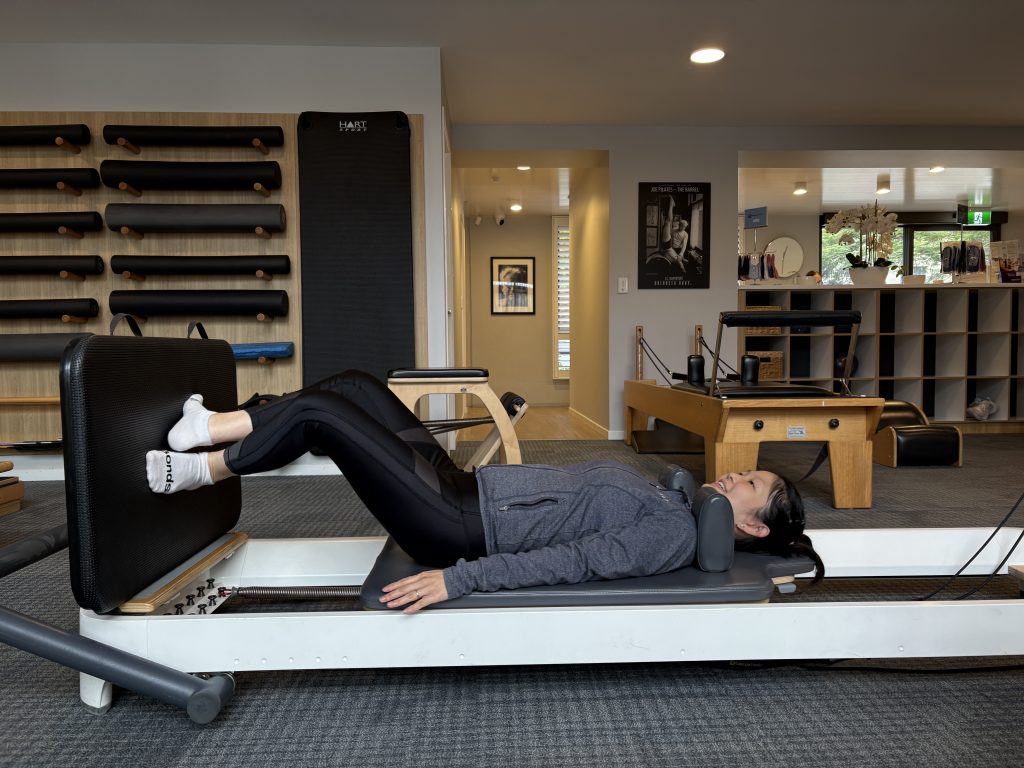
Leaps. Spins. En pointe. Ankle sprains are one of the most common dance injuries due to the dynamic and unpredictable nature of dance. When your foot or ankle position gets misaligned, especially with force, ligaments on the inside or outside of your foot can get twisted or overstretched. This might then result in various degrees of tears.
Your physiotherapist’s role:
- Prevent ankle stiffness during the acute phase of rest and healing.
- Re-build muscle strength and power in the ankle and whole leg.
- Balance and proprioception training, to prevent recurrent sprains.
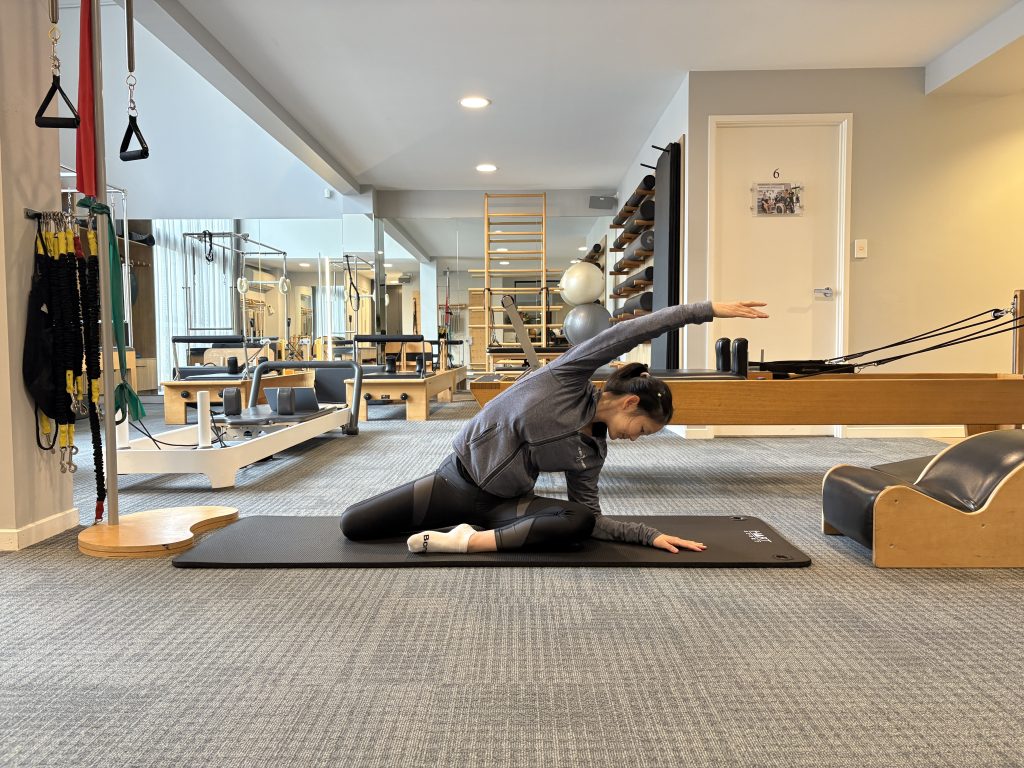
C. Muscle Strain
Muscles are often injured in dancers due to a lack of proper warm-up or frequent explosive movements. It is important to note that holding static stretches for more than 60 seconds actually inhibits those muscles from getting activated – the opposite of what was intended. Recent studies have shown that moving muscles and joints through a full range of motion, also known as dynamic stretching, can be more effective and safe.
Your physiotherapist’s role:
- Guidance through the muscular healing timeline.
- Re-build muscle strength and power gradually.
- Teaching of safe dynamic warm-up exercises.
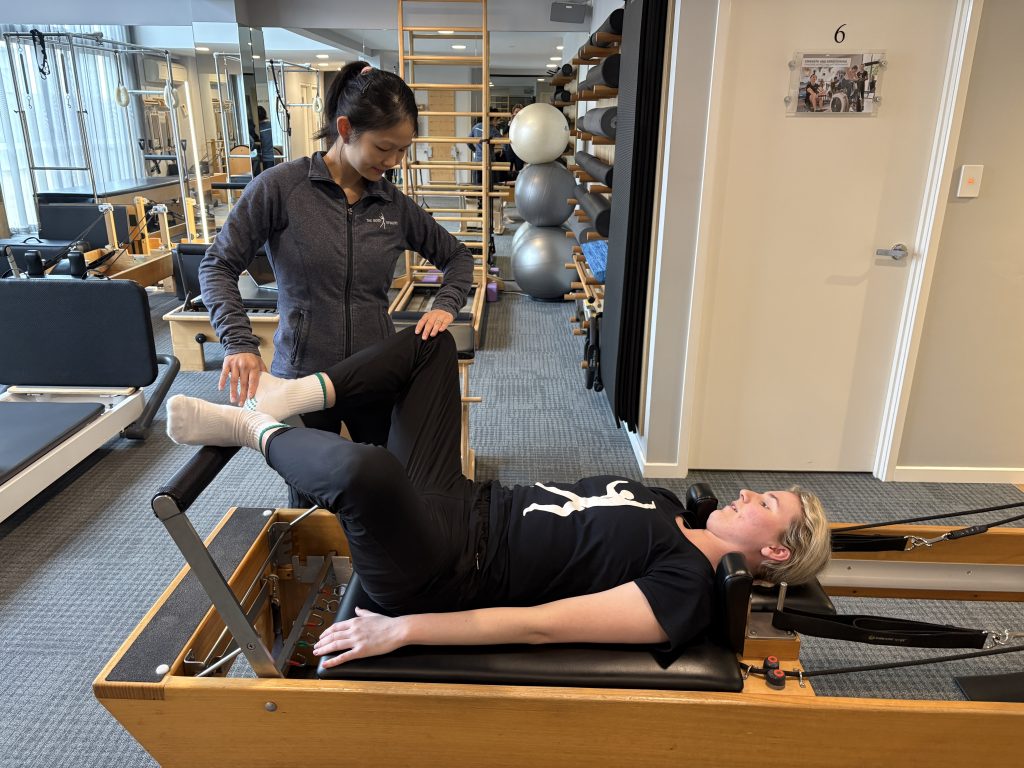
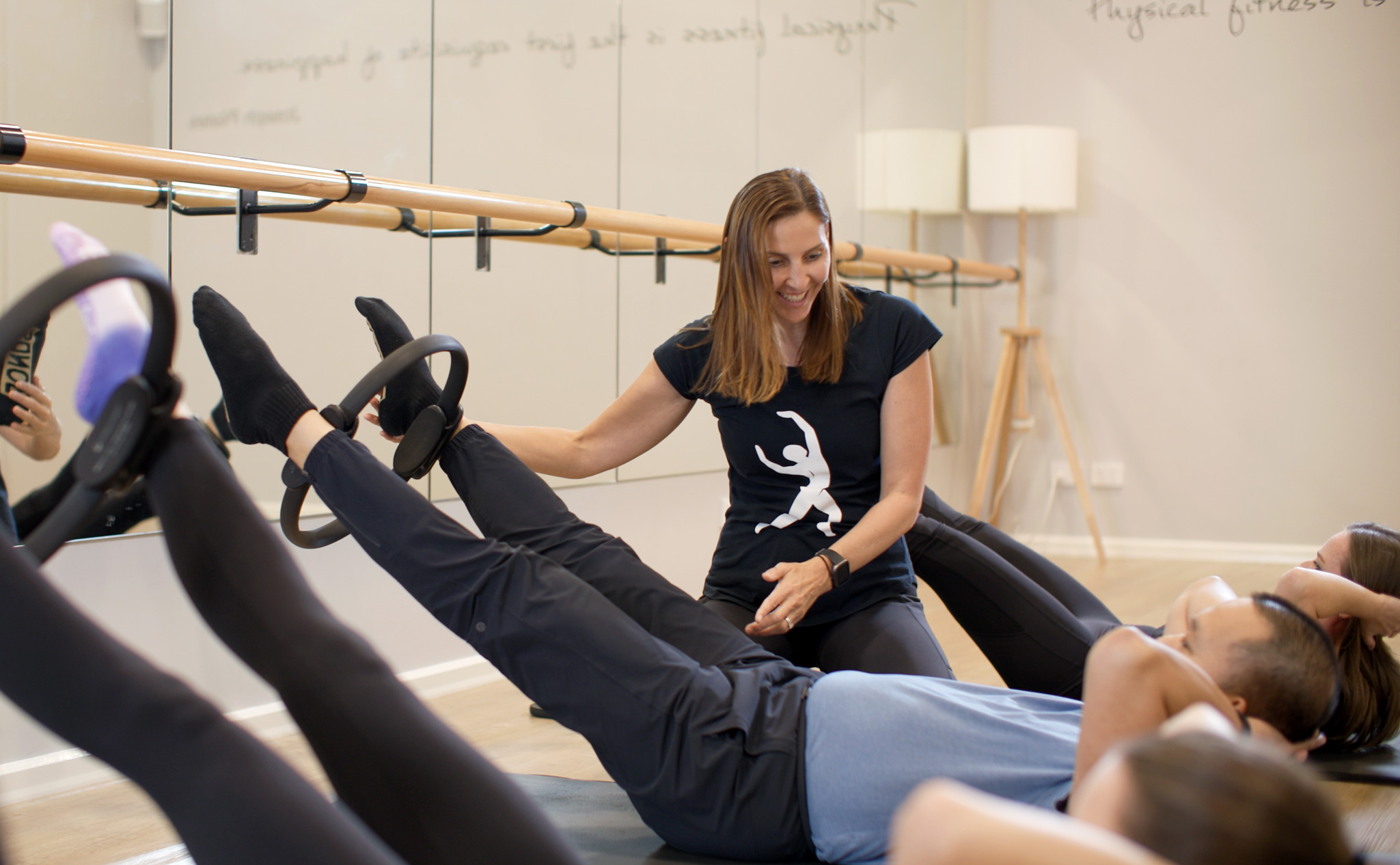
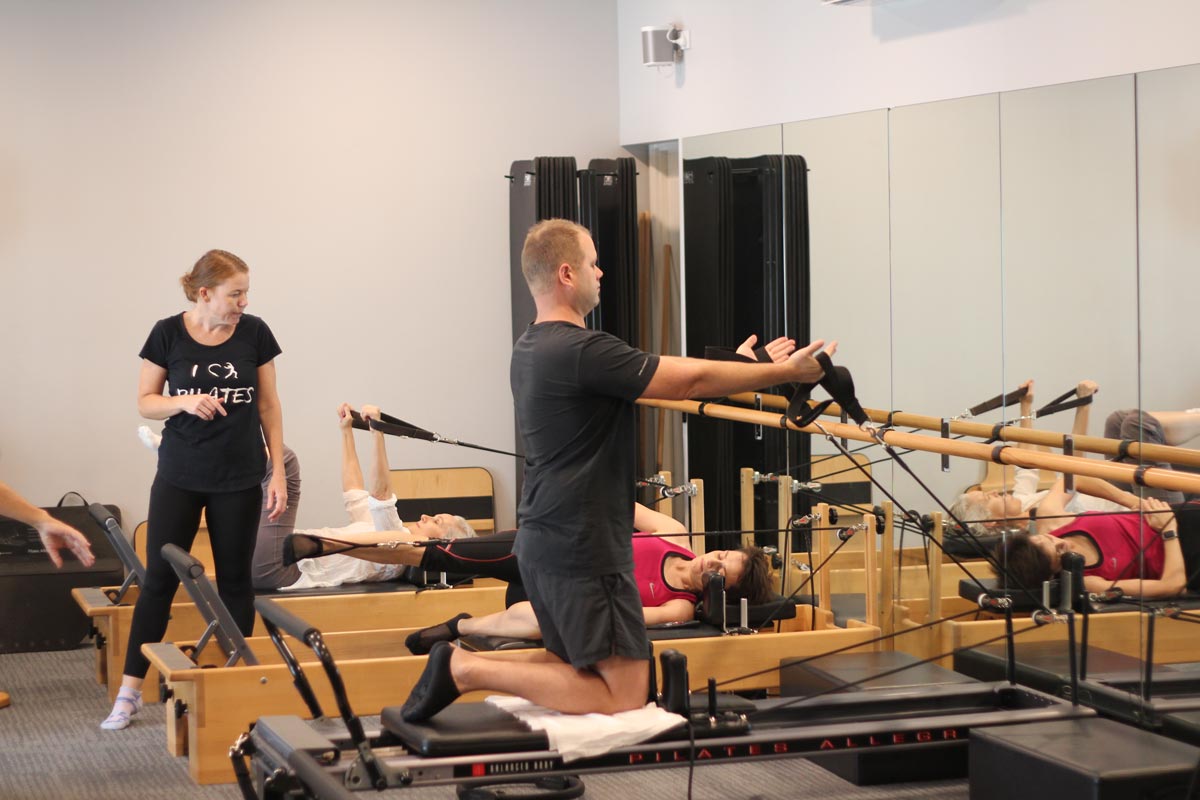
C. Pilates and Dance
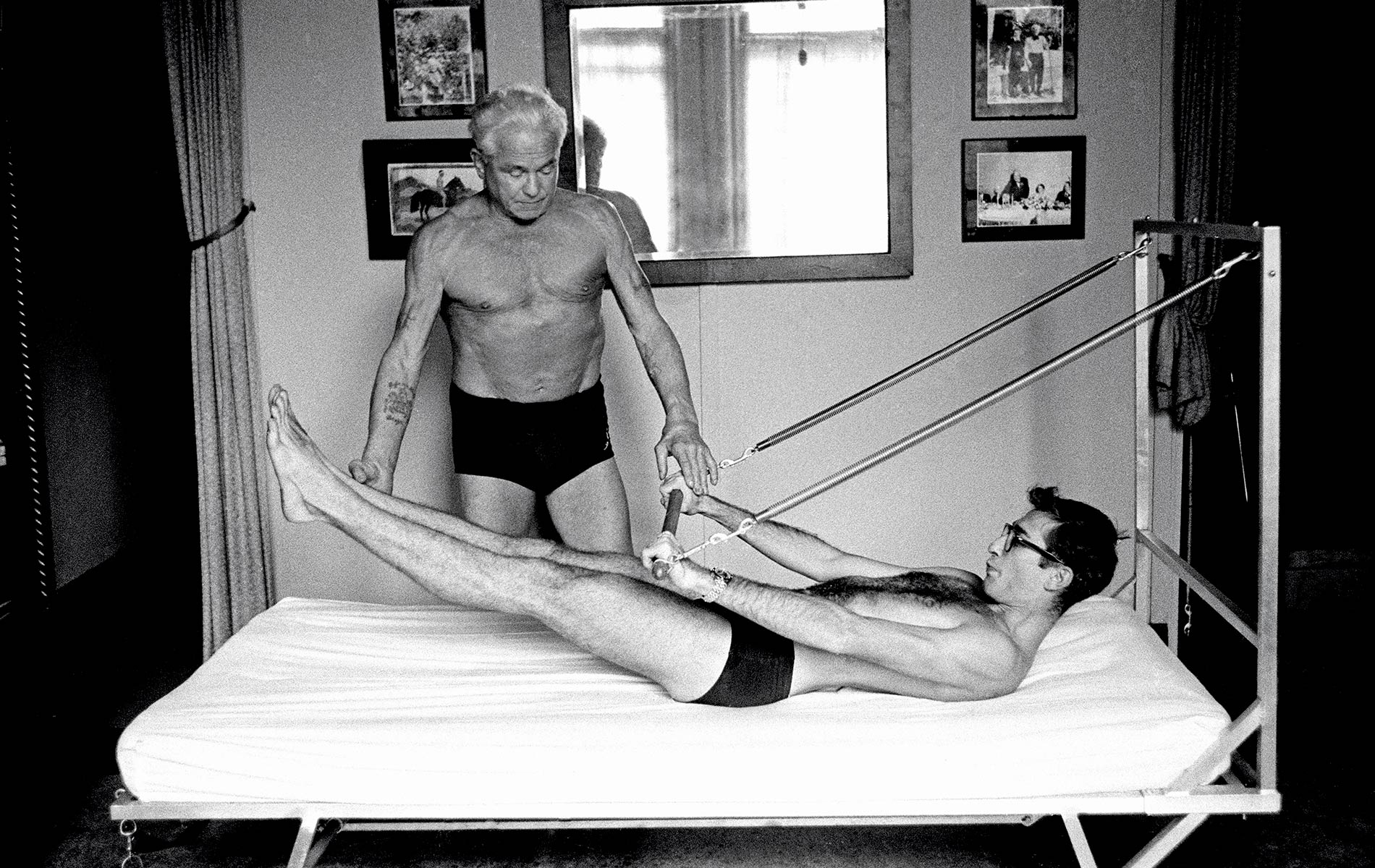
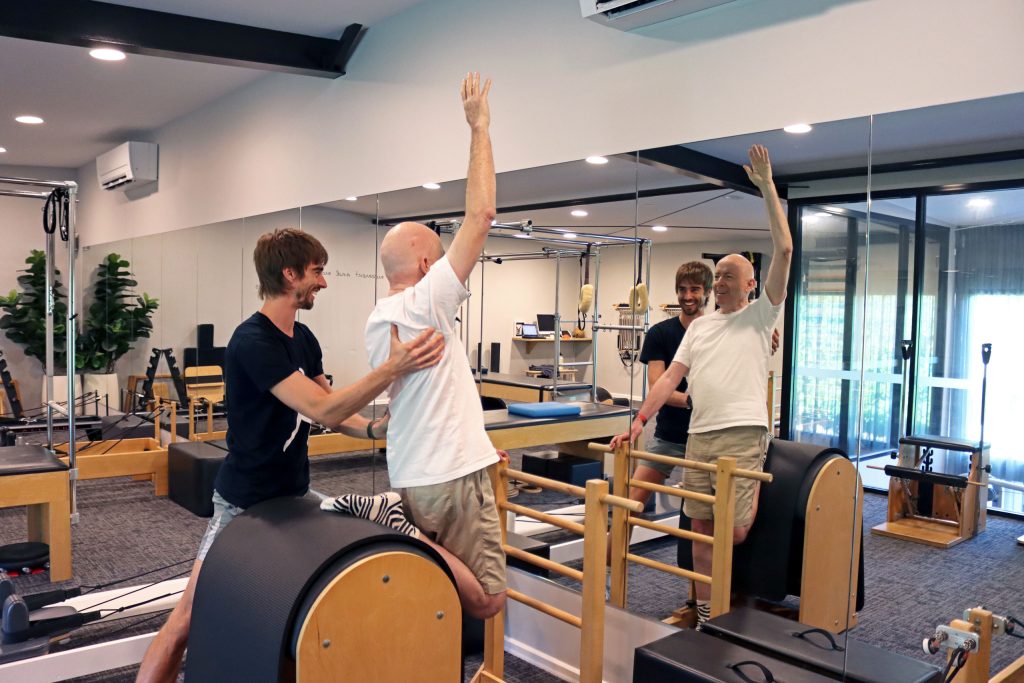
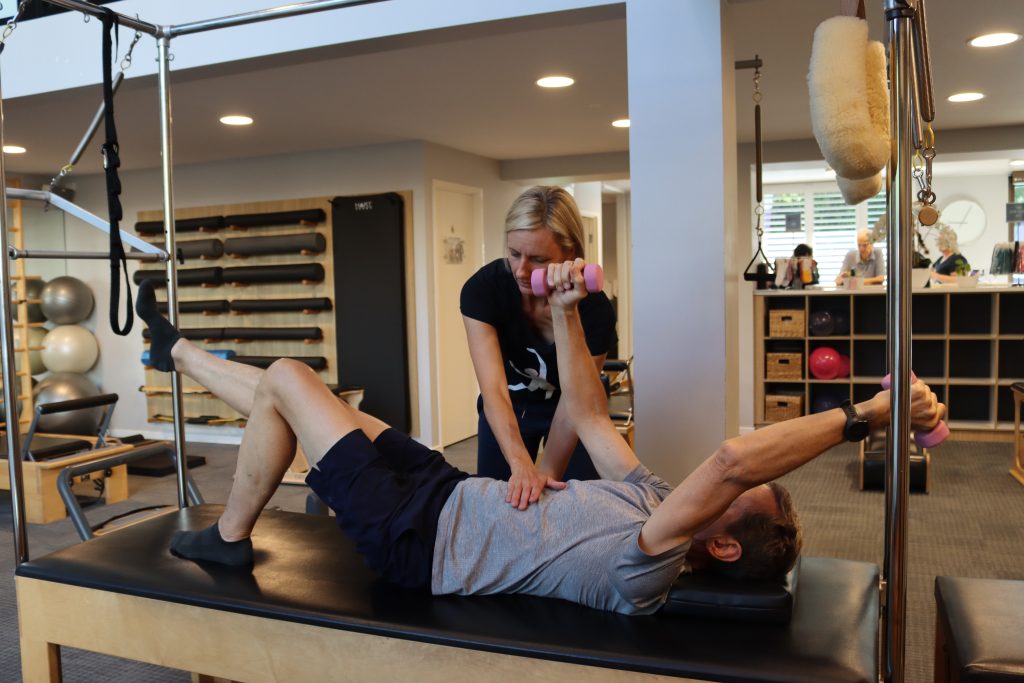
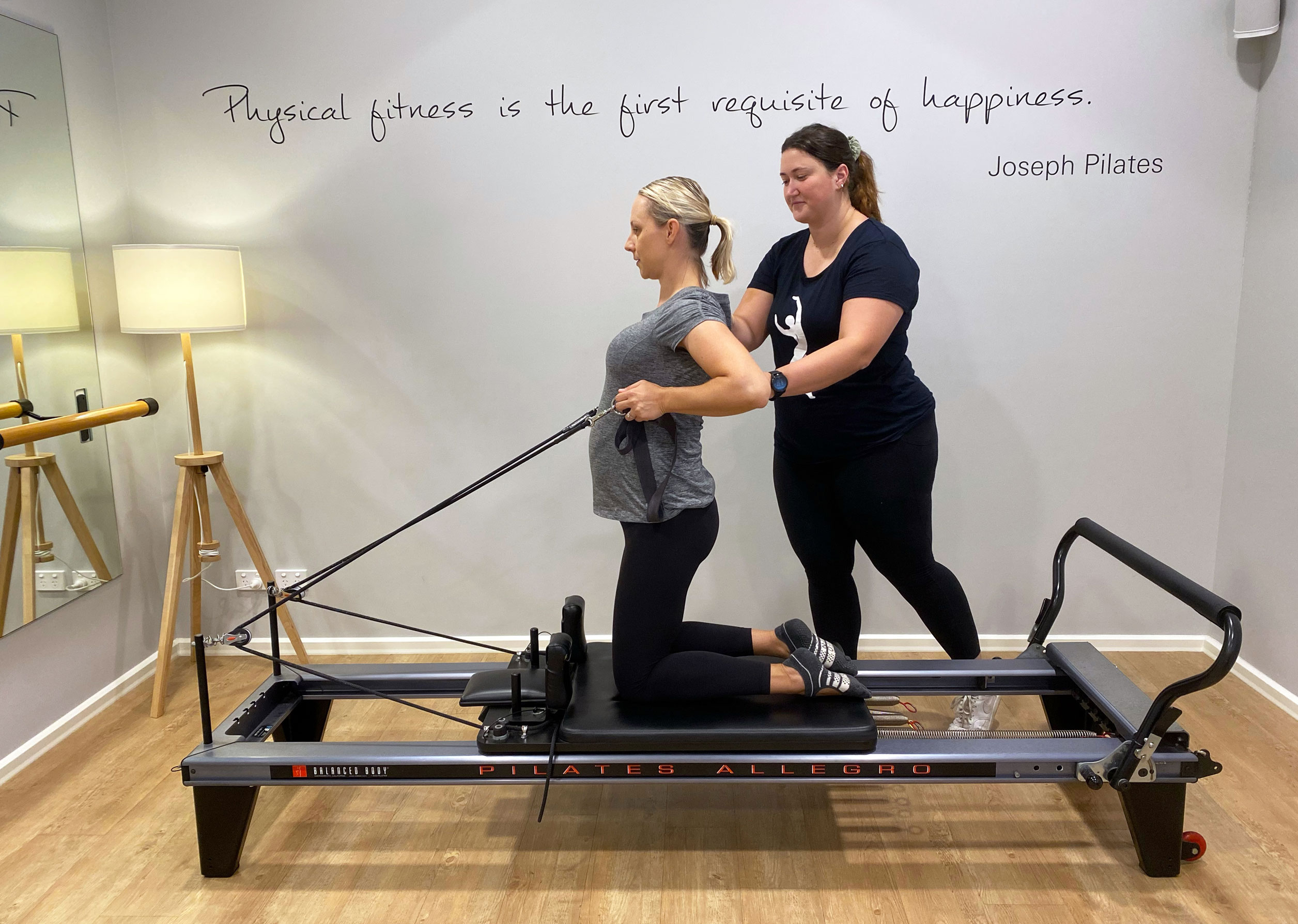
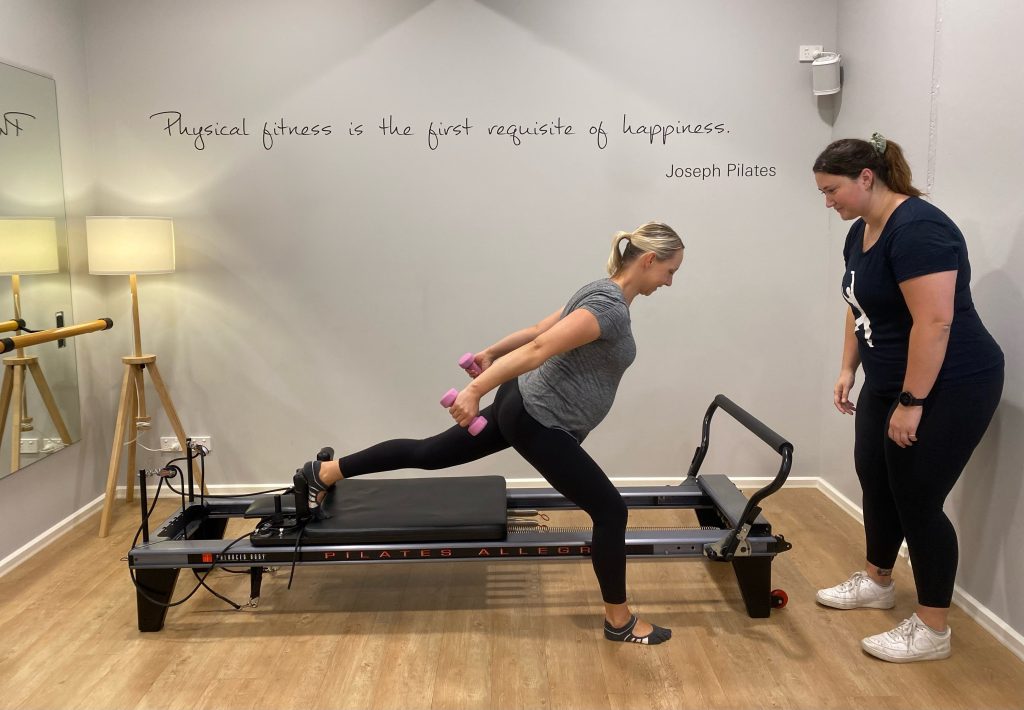
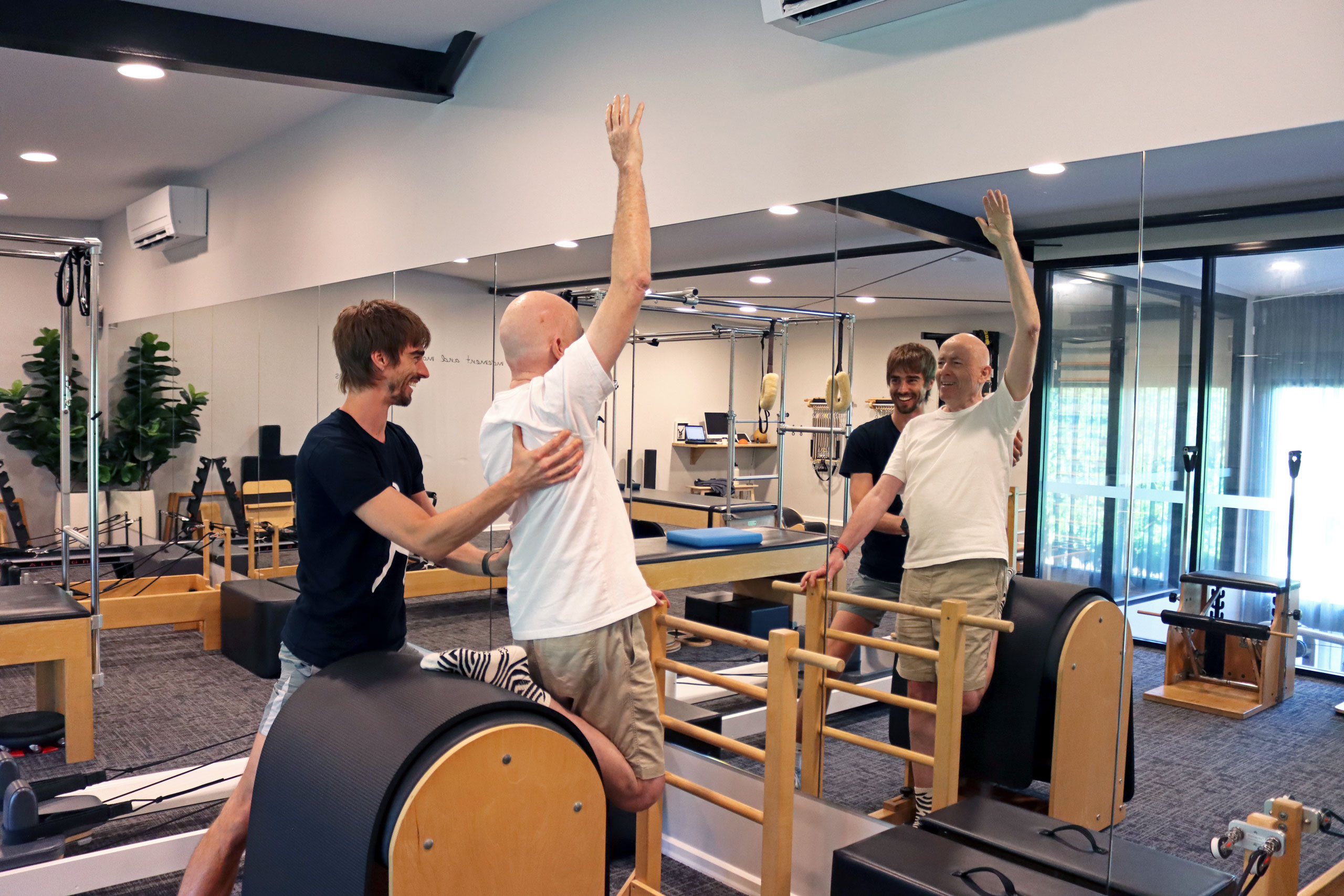
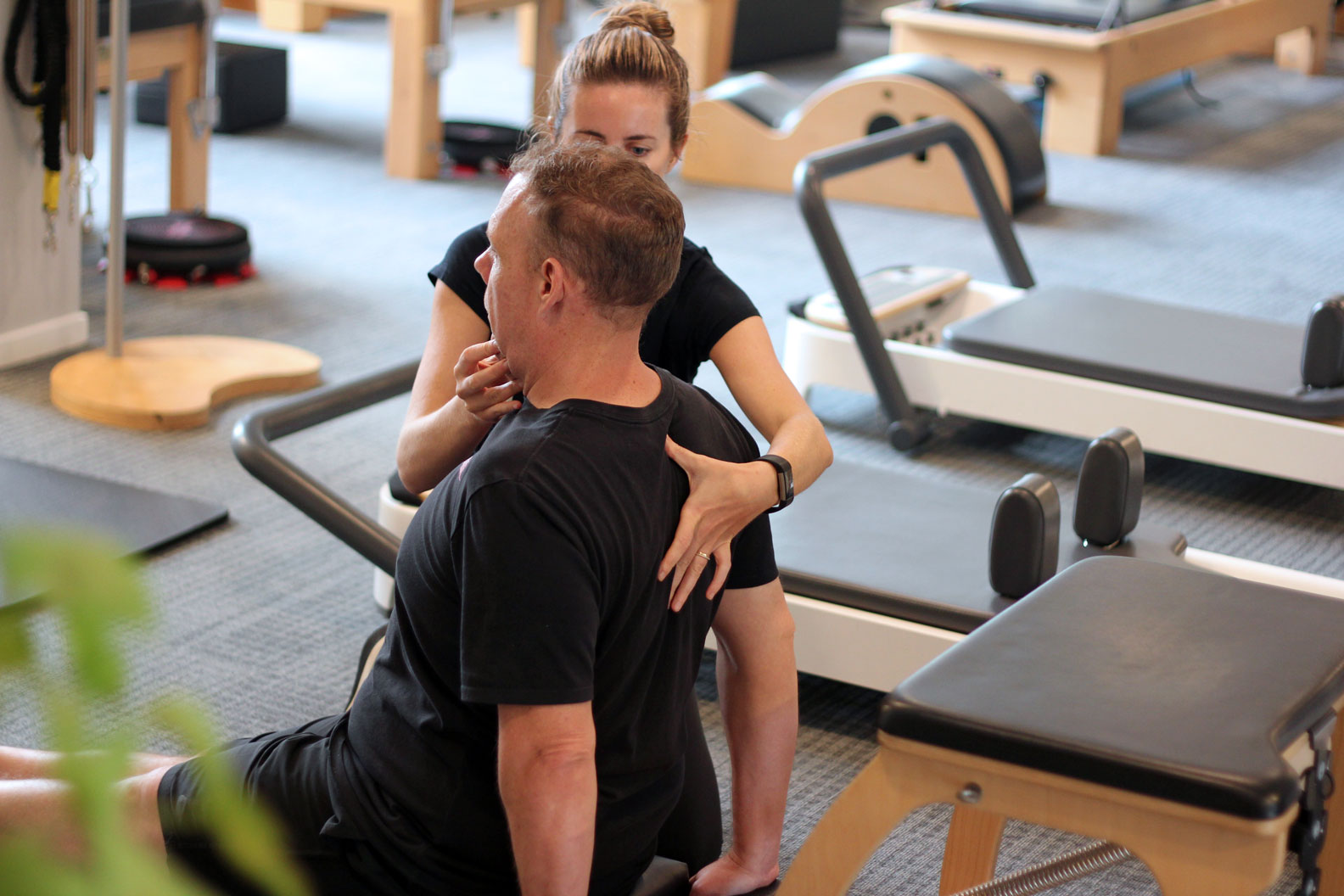
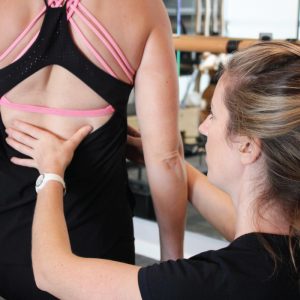
While manual therapy remains the most frequently used rehabilitation approach for dancers, the Pilates Method is actively emerging in recent years. Pilates was originally designed by Joseph Pilates to complement dancers’ training while he worked with them in New York. These exercises help dancers become stronger, more controlled, flexible and balanced. They also target key muscles that are crucial in core stability but often overlooked.
Some elements of Pilates that relate to dance:
- Focus on postural alignment, core stability and flexibility.
- Breath and movement synchronisation.
- Global strengthening of the whole body.
Don’t let an injury stop you from dancing. Whether you are a beginner or an advanced dancer, trying to recover from an injury or wishing to prevent one, a physiotherapist at The Body Refinery can certainly help. We want to be part of your dance journey.
Combining her training and passion for dance with her physiotherapy knowledge, Meng understands how Pilates can be incorporated into dance rehabilitation. She looks forward to helping dancers achieve their goals, both in the studio and beyond.
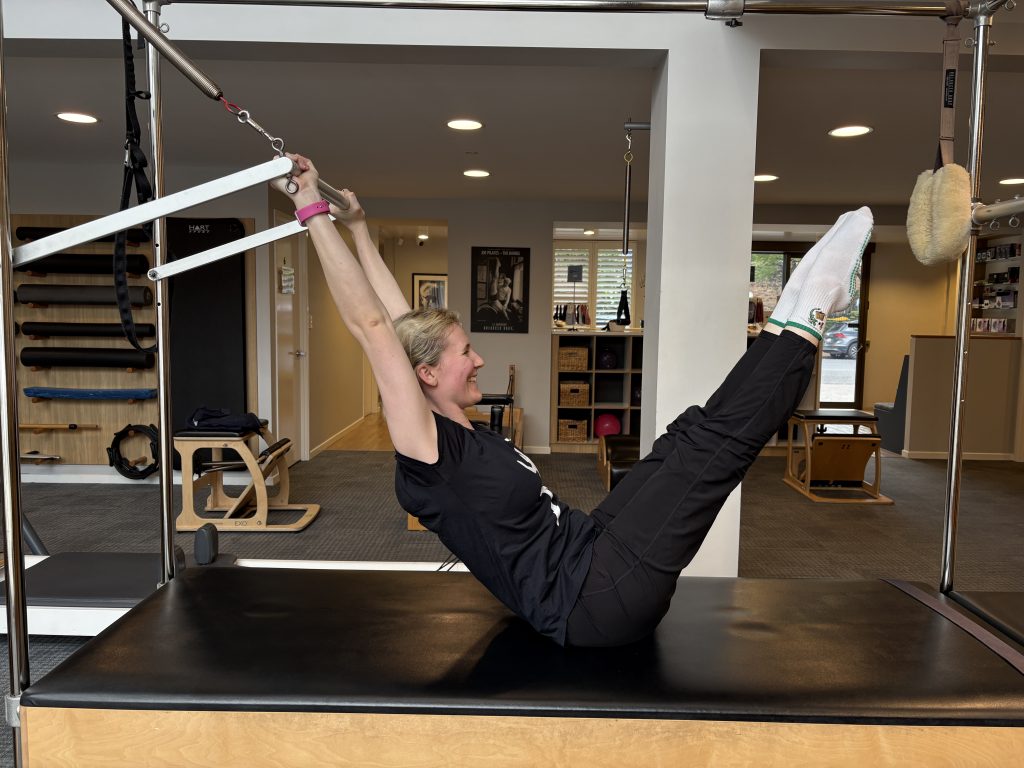
Written by Physiotherapist Meng. See her bio here.
_ _ _
References
1. Ahearn, E. L., Greene, A., & Lasner, A. (2018). Some effects of supplemental Pilates training on the posture, strength, and flexibility of dancers 17 to 22 years of age. Journal of Dance Medicine & Science, 22(4), 192-202.
2. Amorim, T. P., Sousa, F. M., & Santos, J. A. R. D. (2011). Influence of Pilates training on muscular strength and flexibility in dancers. Motriz: revista de educação física, 17(4), 660-666.
3. Chaabene, H., Behm, D. G., Negra, Y., & Granacher, U. (2019). Acute effects of static stretching on muscle strength and power: an attempt to clarify previous caveats. Frontiers in physiology, 10, 489981.
4. The Johns Hopkins Hospital. Common Dance Injuries and Prevention Tips. Johns Hopkins Medicine. https://www.hopkinsmedicine.org/health/conditions-and-diseases/sports-injuries/common-dance-injuries-and-prevention-tips
5. Tsartsapakis, I., & Zafeiroudi, A. (2026, March). Manual Therapy, Core Training, and Pilates Method Interventions in Dance Rehabilitation: A Scoping Review. In Healthcare (Vol. 14, No. 7, p. 872). MDPI.