Category

Physiotherapy

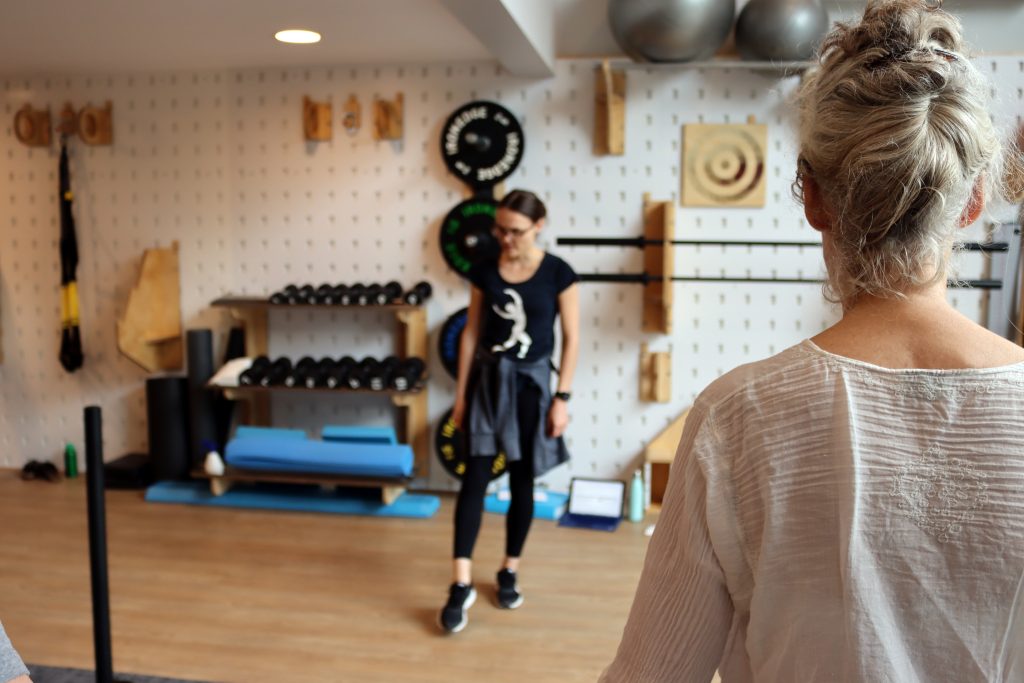
ONERO®: Stronger Bones, Safer Training

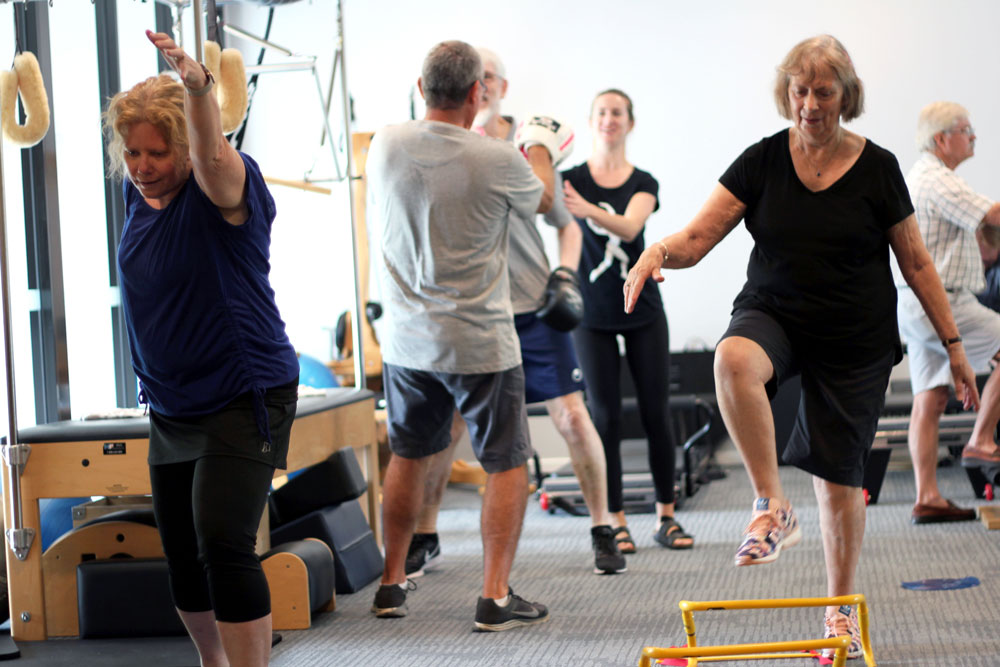
If you’ve been diagnosed with osteoporosis or osteopenia, you may be surprised if your GP, specialist or physio recommends that you lift heavy weights. However, this is exactly how many people are discovering a proven method of building bone density, since ONERO® helped change the conversation around exercise and bone health.

More about ONERO®

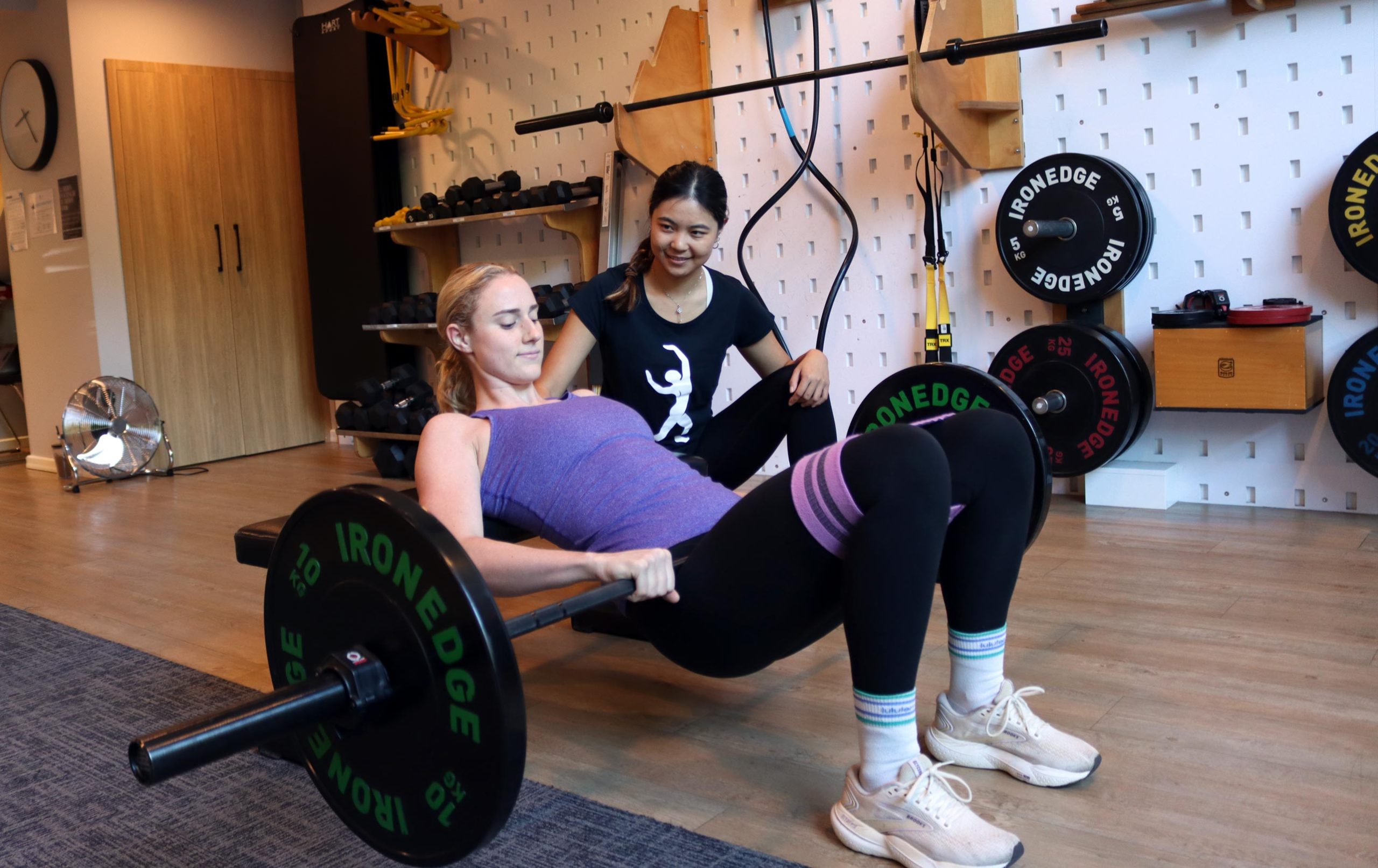
ONERO® has its roots here in Queensland, growing out of research led by Professor Belinda Beck and her team at Griffith University. It is based on the landmark clinical trial, LIFTMOR, which demonstrated that supervised high-intensity resistance and impact training was beneficial for post-menopausal women with low bone mass. After eight months, women in the high-intensity resistance and impact training (HiRIT) group improved lumbar spine bone density by around 2.9% and also improved strength and physical function. Similarly, the subsequent LIFTMOR-M clinical trial revealed that men with low bone density also receive the same benefits from HiRIT.

This research gave rise to ONERO®. An evidence-based exercise intervention to combat osteoporosis. The Body Refinery is licensed to provide ONERO® classes to help you improve your bone health!

For ONERO® to be safe and effective participants must be:

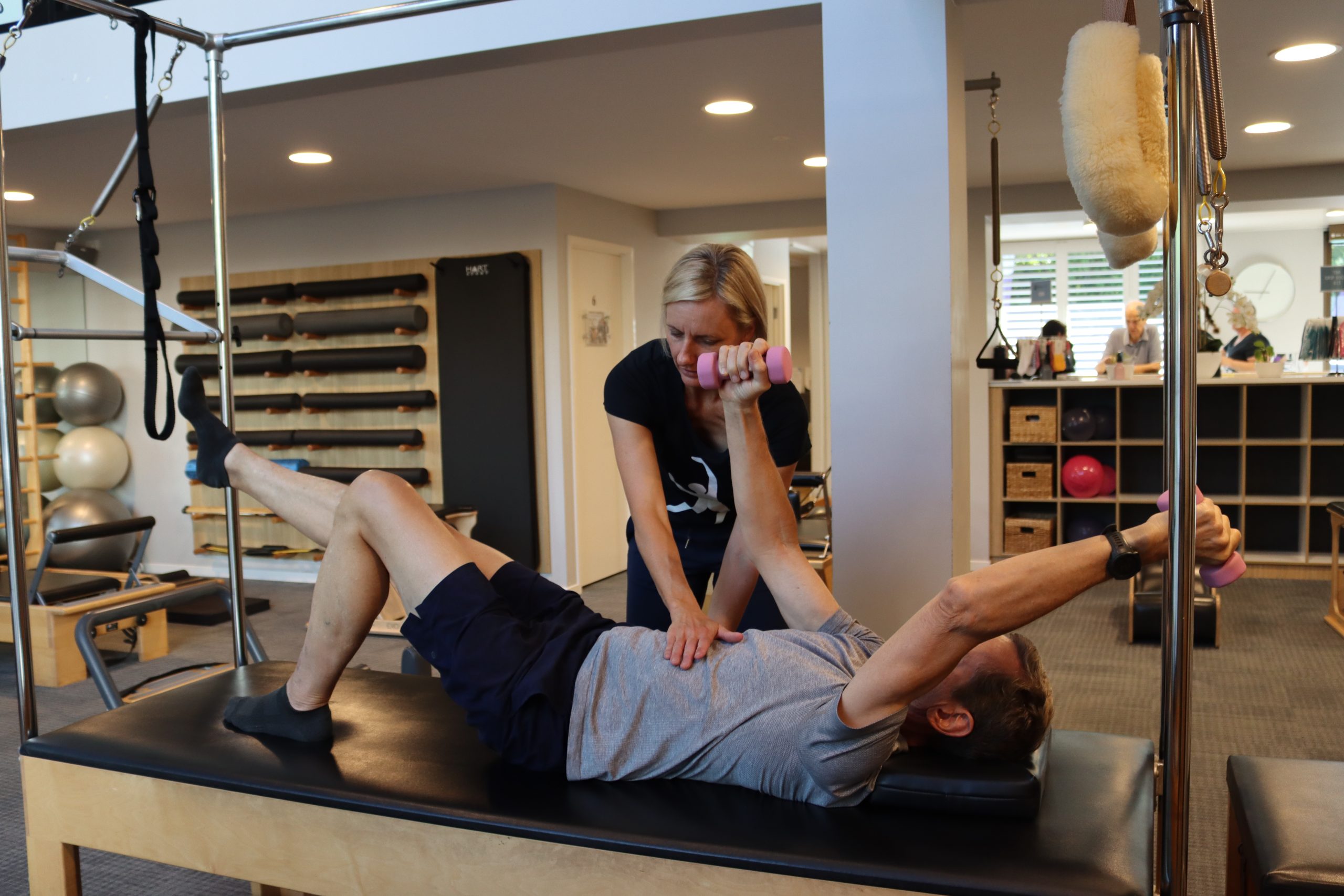
  • assessed and supervised by a licensed practitioner
  • progressed gradually

The physios at The Body Refinery emphasise these points clinically. If you’re new to strength training, it’s important to learn the movement first. Get comfortable with your movement patterns before adding weight. We will guide you every step of the way.

Earn the load before adding the load.

We meet you where you are. You may think your previous injuries, back or joint pain, balance issues would hold you back. But that is why this program is delivered clinically with qualified and licensed ONERO® practitioners. We know how to start you on exercises that are achievable and safe. And if something starts hurting, it doesn’t necessarily mean you have to stop exercising altogether. Sometimes the exercise simply needs to be modified while the problem is assessed and treated.

Where we can help:

If you’re doing ONERO® or other strength training and an injury or persistent ache is holding you back, our physios at The Body Refinery can work with you 1:1 to ensure you continue progressing and benefiting from ONERO®.

We can assess and treat the problem, look at how you’re moving and, where appropriate, work on your movement mechanics before gradually building the load again.

ONERO® can provide excellent results. If you have osteoporosis, osteopenia, or are at risk of developing these conditions, our messages are:

  • Don’t be afraid of getting stronger
  • Ensure you build strength safely
  • Seek appropriate assessment and treatment as required to ensure you continue progressing

Join with your ONERO® Quickstart Pack and start improving your bone health today!

_ _ _

References
Watson SL, Weeks BK, Weis LJ, Horan SA, Beck BR. Journal of Bone and Mineral Research. 2018;33(2):211–220.
Watson SL, Weeks BK, Weis LJ, et al. Osteoporosis International. 2019;30:957–964.
Harding AT, Weeks BK, Lambert C, et al. Journal of Bone and Mineral Research. 2020;35(8):1404–1414.

World Physiotherapy Day 2026: Stay Active, Protect Your Heart

World Physiotherapy Day 2026: Stay Active, Protect Your Heart The Body Refinery New Farm

Cardiovascular Disease & Stroke

This year marks the 30th World Physiotherapy Day (World PT Day), with the focus for 2026 being on:

  • Cardiovascular disease (CVD); and
  • Stroke

In relation to these conditions, physiotherapists can play an important role in guiding physical activity that can help with:

  • Prevention
  • Management
  • Recovery & Rehabilitation

Queensland Statistics

According to the Queensland Chief Health Officer, coronary heart disease was the leading cause of death in Queensland in 2023.

In Queensland from 2018-2022:

  • coronary heart disease accounted for 11.2% of all deaths.
  • cerebrovascular disease (including stroke), accounted for 5.9% of all deaths.

The Stroke Foundation and Monash University’s Economic Impact of Stroke Report 2024 estimated that in 2023 in Queensland:

  • 9,098 stroke events occurred.
  • 89,188 Queenslanders were living with the effects of stroke.
  • The stroke rate was approximately 171 per 100,000 people.
  • Around 1.02 million Queenslanders had high blood pressure, one of the most important modifiable risk factors for stroke.

For physiotherapists, these statistics reinforce why our role extends beyond rehabilitation after an event. Supporting physical activity, appropriate exercise, cardiovascular risk awareness and recovery can all help people:

  • stay active.
  • protect cardiovascular health.
  • regain independence following stroke or cardiovascular disease.

But what about people who are already active?

A healthy lifestyle cannot eliminate cardiovascular risk, though regular physical activity significantly reduces the risk of cardiovascular disease, stroke, and premature death.

Being active lowers the risk, though it doesn’t eliminate it.

Research in sports cardiology shows that vigorous exercise can temporarily increase the risk of an acute cardiac event in susceptible individuals, particularly those with underlying cardiovascular disease or risk factors.

This is why the approach to exercise shouldn’t simply be “exercise more”, it should be:

  • Move more
  • Exercise appropriately
  • Know your risk factors
  • Pay attention to warning signs
  • Discuss any concerns with your:
    • General Practitioner
    • Medical Specialists
    • Physiotherapist

Where does physiotherapy fit?

Physiotherapists treat sore backs, knees and sporting injuries, but can also play an important role in supporting people with cardiovascular disease through appropriate exercise, physical activity, rehabilitation and recovery.

Physiotherapists are trained to:

  • recognise when symptoms during exercise warrant further medical assessment; and
  • help people exercise safely according to their individual circumstances and capacity.

After a stroke, physiotherapy has an even more visible role, helping people restore:

  • movement
  • balance
  • mobility
  • physical capacity
  • independence

The profession therefore sits at an important intersection between movement, prevention and rehabilitation.

The Importance of Injury Rehabilitation with a Physiotherapist or Exercise Physiologist in New Farm, Teneriffe

The message for active people

Being able to run 10 km, lift weights, play basketball or train several times a week are great signs of physical fitness, but they don’t mean you’re not still at risk of cardiovascular disease.

Symptoms to be aware of, which should prompt you to seek appropriate, urgent medical attention:

  • unexplained chest pressure or discomfort
  • unusual breathlessness
  • fainting or near-fainting
  • palpitations associated with exercise
  • significant unexplained reduction in exercise tolerance

Australian research into exercise-related sudden cardiac death among people aged 10–35 years found that 39% of cases had experienced symptoms before the event, most commonly:

  • chest pain
  • presyncope (near-fainting)
  • syncope (fainting)

The cardiovascular benefits of regular exercise greatly outweigh the risks, and being young, healthy or fit may decrease the likelihood of you having cardiovascular disease, but you should always take action if you notice concerning symptoms.

Good healthcare isn’t about pushing everyone to exercise harder. It’s about helping each person:

  • move more
  • move safely
  • understand their individual risks, and
  • stay active at every stage of life.

That‘s where physiotherapists play a vital role in supporting their clients.


Written by physiotherapist Rodney Wenceslao. See his full bio: here

_______
References

World Physiotherapy. World PT Day 2026 — Cardiovascular disease and stroke. World Physiotherapy, 2026.

World Physiotherapy. World PT Day 2026 materials launched. 8 June 2026.

Queensland Health. Report of the Chief Health Officer Queensland — Mortality. Queensland Government.

Stroke Foundation & Monash University. Economic Impact of Stroke Report 2024 — Queensland State Snapshot. Stroke Foundation, 2024.

Pelliccia A, Sharma S, Gati S, et al. 2020 ESC Guidelines on sports cardiology and exercise in patients with cardiovascular disease. European Heart Journal. 2021;42(1):17–96. doi:10.1093/eurheartj/ehaa605.

Thompson PD, Franklin BA, Balady GJ, et al. Exercise and acute cardiovascular events: placing the risks into perspective. Circulation. 2007;115(17):2358–2368. doi:10.1161/CIRCULATIONAHA.107.181485.

Franklin BA, Thompson PD, Al-Zaiti SS, et al. Exercise-related acute cardiovascular events and potential deleterious adaptations following long-term exercise training: placing the risks into perspective — an update from the American Heart Association. Circulation. 2020;141–e736.

Paratz ED, Rowsell L, Zentner D, et al. Sudden cardiac death related to physical exercise in the young: a nationwide cohort study of Australia. Heart, Lung and Circulation. 2022.

Behind the Scenes: Why Dancers Benefit from Physiotherapy

Behind the scenes: Why Dancers Benefit from Physiotherapy Blog The Body Refinery

If you are a dancer, these frustrating conditions or injuries might sound familiar to you:

A. Hypermobility

Many dancers who started training from a young age are very flexible, particularly in the spine, hips, knees and ankles. The challenge now is to control that flexibility. Frequent large powerful movements that push joints to end ranges increase the risk of injuring structures that are designed to protect those joints.

Your physiotherapist’s role:

  • Assess range of motion in hypermobile joints, as well as the strength and control around them.
  • Build awareness of body alignment and joint position in space.
  • Strengthen muscles surrounding hypermobile joints, with additional emphasis on core and trunk strength, to reduce the risk of injuries.

Behind the scenes: Why Dancers Benefit from Physiotherapy Blog The Body Refinery

B. Ankle Sprain

Leaps. Spins. En pointe. Ankle sprains are one of the most common dance injuries due to the dynamic and unpredictable nature of dance. When your foot or ankle position gets misaligned, especially with force, ligaments on the inside or outside of your foot can get twisted or overstretched. This might then result in various degrees of tears.

Your physiotherapist’s role:

  • Prevent ankle stiffness during the acute phase of rest and healing.
  • Re-build muscle strength and power in the ankle and whole leg.
  • Balance and proprioception training, to prevent recurrent sprains.

Behind the scenes: Why Dancers Benefit from Physiotherapy Blog The Body Refinery

C. Muscle Strain

Muscles are often injured in dancers due to a lack of proper warm-up or frequent explosive movements. It is important to note that holding static stretches for more than 60 seconds actually inhibits those muscles from getting activated – the opposite of what was intended. Recent studies have shown that moving muscles and joints through a full range of motion, also known as dynamic stretching, can be more effective and safe.

Your physiotherapist’s role:

  • Guidance through the muscular healing timeline.
  • Re-build muscle strength and power gradually.
  • Teaching of safe dynamic warm-up exercises.

Behind the scenes: Why Dancers Benefit from Physiotherapy Blog The Body Refinery

C. Pilates and Dance

While manual therapy remains the most frequently used rehabilitation approach for dancers, the Pilates Method is actively emerging in recent years. Pilates was originally designed by Joseph Pilates to complement dancers’ training while he worked with them in New York. These exercises help dancers become stronger, more controlled, flexible and balanced. They also target key muscles that are crucial in core stability but often overlooked.

Some elements of Pilates that relate to dance:

  1. Focus on postural alignment, core stability and flexibility.
  2. Breath and movement synchronisation.
  3. Global strengthening of the whole body.

Don’t let an injury stop you from dancing. Whether you are a beginner or an advanced dancer, trying to recover from an injury or wishing to prevent one, a physiotherapist at The Body Refinery can certainly help. We want to be part of your dance journey.

Combining her training and passion for dance with her physiotherapy knowledge, Meng understands how Pilates can be incorporated into dance rehabilitation. She looks forward to helping dancers achieve their goals, both in the studio and beyond.

Written by Physiotherapist Meng. See her bio here.

_ _ _

References
1. Ahearn, E. L., Greene, A., & Lasner, A. (2018). Some effects of supplemental Pilates training on the posture, strength, and flexibility of dancers 17 to 22 years of age. Journal of Dance Medicine & Science, 22(4), 192-202.
2. Amorim, T. P., Sousa, F. M., & Santos, J. A. R. D. (2011). Influence of Pilates training on muscular strength and flexibility in dancers. Motriz: revista de educação física, 17(4), 660-666.
3. Chaabene, H., Behm, D. G., Negra, Y., & Granacher, U. (2019). Acute effects of static stretching on muscle strength and power: an attempt to clarify previous caveats. Frontiers in physiology, 10, 489981.
4. The Johns Hopkins Hospital. Common Dance Injuries and Prevention Tips. Johns Hopkins Medicine. https://www.hopkinsmedicine.org/health/conditions-and-diseases/sports-injuries/common-dance-injuries-and-prevention-tips
5. Tsartsapakis, I., & Zafeiroudi, A. (2026, March). Manual Therapy, Core Training, and Pilates Method Interventions in Dance Rehabilitation: A Scoping Review. In Healthcare (Vol. 14, No. 7, p. 872). MDPI.

Winter Stiffness: An Exercise Physiologist’s Top Tips to Keep You Moving

winter stiffness blog the body refinery new farm

As temperatures drop, many people notice they’re waking up feeling stiffer, or that their everyday aches and pains become more noticeable.

If you’ve found yourself feeling tighter, less motivated to exercise, or experiencing an increase in back, neck or joint discomfort during winter, you’re certainly not alone.

The good news? Movement is one of the most effective ways to combat winter stiffness and keep your body feeling its best.

Why Do We Feel Stiffer in Winter?

Although cold weather doesn’t directly cause injury, it can influence how our bodies feel and move.

During winter, people often:

  • Spend more time sitting indoors.
  • Exercise less frequently.
  • Experience increased muscle tension.
  • Feel less motivated to maintain healthy routines.
  • Reduce their daily activity levels.

Less movement means joints can become less mobile, muscles may tighten, and existing aches and pains can feel more pronounced.

Common Areas Affected by Winter Stiffness

Many people report increased discomfort in:

  • Lower Back: Long periods sitting at work or relaxing indoors can contribute to lower back tightness.
  • Neck and Shoulders: Working from home, increased screen time and stress can lead to tension through the upper body.
  • Hips: Reduced walking and physical activity can leave the hips feeling restricted and uncomfortable.
  • Knees and Joints: People living with arthritis or previous injuries may notice symptoms feel more noticeable during colder months.

winter stiffness blog the body refinery new farm

Why Movement Matters

When we move, our muscles generate heat, blood flow increases and joints receive the nutrients they need to function well.

Regular exercise can help:

  • Improve mobility and flexibility.
  • Reduce feelings of stiffness.
  • Build strength and support around joints.
  • Improve balance and confidence.
  • Support overall physical and mental wellbeing.

Importantly, movement doesn’t have to be intense to be beneficial.

Simple Ways to Stay Active This Winter

Keep Walking: Even a short daily walk around New Farm Park or along the Brisbane River can help keep your body moving and improve circulation.

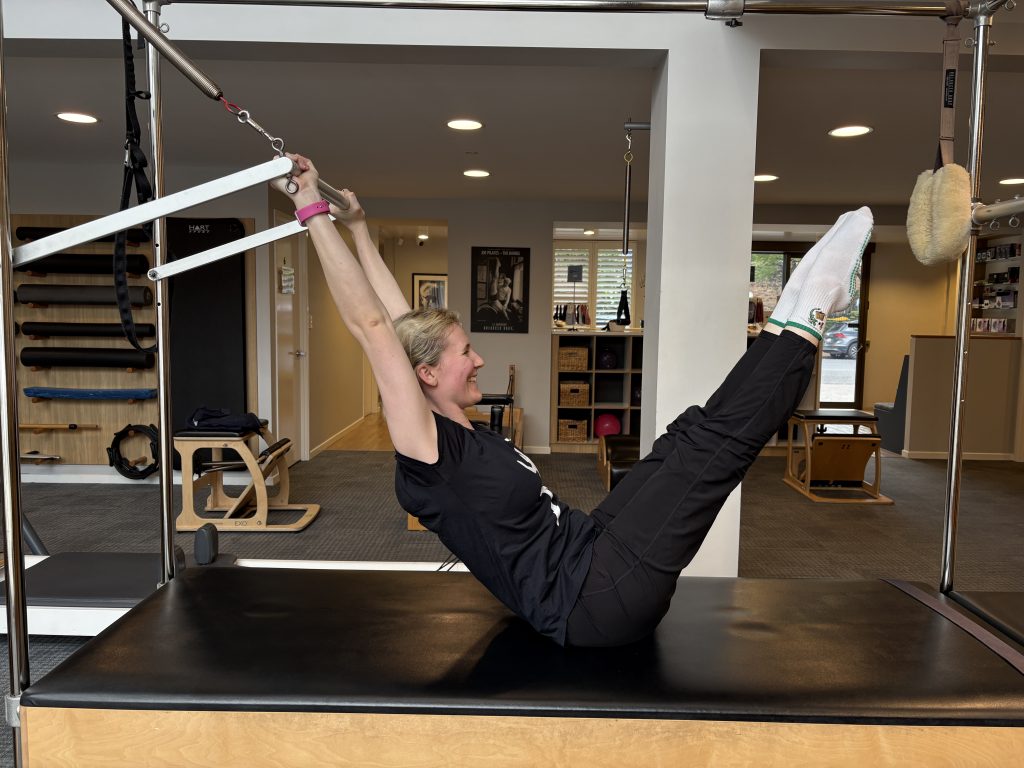
Try Pilates: Pilates focuses on strength, mobility and body awareness. It can be particularly beneficial for people managing injuries, recovering from pain or wanting a low-impact way to stay active during winter.

Prioritise Strength Training: Maintaining muscle strength is essential as we age and can help support healthy joints and reduce the risk of injury.

Take Regular Movement Breaks: If you spend long periods sitting, try standing, stretching or walking for a few minutes every hour.

Don’t Wait for Pain to Become Severe: Persistent discomfort isn’t something you simply have to “put up with.” Early assessment and appropriate treatment can help address issues before they become more limiting.

How Exercise Physiology Can Help

At The Body Refinery, we often see an increase in people experiencing winter-related stiffness, reduced mobility and flare-ups of previous injuries.

Our Accredited Exercise Physiologist, Abbey, shares her personal tips to keep you feeling mobile in winter:

“Cold, dark mornings and cooler temperatures can make it harder to stay active, making the couch seem far more inviting. However, spending more time sitting, being less active, and the cold itself can increase muscle stiffness and contribute to aches and pains. Here are some of my favourite strategies to beat winter stiffness:

  • Heat therapy: Apply heat to stiff muscles using a heating pad, steam shower, or warm bath. Heat increases blood flow by widening blood vessels, helping to relax tight muscles and reduce stiffness.
  • Foam rolling: Apply gentle, sustained pressure to tight or stiff areas with a foam roller or massage ball to help release tension in the fascia, the connective tissue that surrounds and supports muscles.
  • Dynamic warm-ups: Before exercising, prepare your muscles with dynamic movements such as bodyweight squats or heel raises. These exercises raise your body temperature, improve joint lubrication, and help your muscles get ready for activity.
  • Static stretching: After exercise, hold gentle stretches for 30 seconds to help lengthen muscles, reduce tightness, and encourage them to return to their resting length.
  • Stay hydrated: Dehydration can reduce blood flow and impair normal muscle function, contributing to stiffness. Drink plenty of water throughout the day to keep your muscles and other tissues well hydrated.
  • Break up seated periods: Scattering regular movement throughout your day, whether its stretches, a short walk, or bodyweight exercises at home, will help to prevent stiffness and support optimal muscle and joint function.”

Winter doesn’t have to mean slowing down.

A little movement each day can go a long way in helping you feel stronger, more mobile and more comfortable throughout the cooler months.

If you’ve noticed increased stiffness or discomfort this winter, our team is here to help.

Book an Exercise Physiology consultation today to support your movement goals.

Our Accredited Exercise Physiologists can create personalised programs designed to:

  • Improve movement and flexibility.
  • Build strength safely.
  • Support recovery from injury.
  • Reduce pain and stiffness.
  • Help you return to the activities you enjoy.

Whether you’re dealing with back pain, neck tension, arthritis, or simply feeling less mobile than usual, the right movement program can make a significant difference.

_ _ _

References
1. Australian Physiotherapy Association (APA). Benefits of physical activity and physiotherapy for healthy ageing and musculoskeletal health.
2. Arthritis Australia. Physical activity and exercise recommendations for people living with arthritis.
3. Department of Health and Aged Care, Australian Government. Physical Activity and Exercise Guidelines for Adults.
4. Exercise & Sports Science Australia (ESSA). The role of exercise in preventing and managing chronic disease.
5. The Royal Australian College of General Practitioners (RACGP). Guidelines for the management of musculoskeletal conditions in primary care.

Rehabilitation for Every Stage

Pilates-based Rehab classes Physiotherapy New Farm The Body Refienry

Rehabilitation for Every Stage: How Physiotherapists and Exercise Physiologists Work Together for Better Long-Term Outcomes

Rehabilitation isn’t a one-size-fits-all process. Our bodies move, heal, and adapt in different ways depending on the type and stage of injury, our health history, and our goals. The Body Refinery combines the strengths of both Physiotherapy and Exercise Physiology to deliver a comprehensive approach to recovery – from the first days after an injury to the long-term management of chronic conditions.

Physiotherapists and Exercise Physiologists bring different, though complementary skills to your rehabilitation journey. When they work together, clients receive a seamless, evidence-based pathway from acute care to long-term strength, confidence, and function.

Physiotherapy: Support for Acute Injuries and Early-Stage Rehabilitation

Physiotherapy plays a central role in the immediate stages following an injury, surgery, or flare-up of pain. During this early period, the priority is to:

  • reduce pain and inflammation
  • restore mobility and joint movement
  • protect healing tissues
  • identify contributing factors
  • guide safe, early loading and movement

Physiotherapists use a combination of hands-on treatment, targeted exercises, movement retraining, and pain education to support recovery. This stage is crucial – early guidance helps prevent compensations, recurring flare-ups, and long-term dysfunction.

Common conditions Physiotherapists address include:

  • acute back or neck pain
  • sports injuries
  • post-surgical rehabilitation
  • tendon or ligament injuries
  • acute pelvic, hip, or spinal pain
  • pregnancy-related pain

Once pain is better controlled and movement becomes more comfortable, clients are often ready to transition into the next phase – rebuilding strength, capacity, and resilience.

exercise physiologist New Farm

Exercise Physiology: Long-Term Management, Strength, and Prevention

Exercise Physiologists specialise in exercise-based rehabilitation for chronic, complex, or long-term conditions. While physiotherapy focuses on acute injury management, exercise physiology excels in helping clients restore strength, improve physical capacity, and prevent future issues.

EPs are uniquely trained to work with:

  • chronic musculoskeletal pain
  • osteoporosis and osteopenia
  • cardiovascular disease
  • metabolic conditions
  • mental health concerns
  • long-term mobility limitations
  • pre- and post-surgical conditioning
  • return to sport or return to work programs

This stage of rehabilitation is vital for long-term results. Ongoing, progressive exercise helps:

  • improve strength and endurance
  • restore movement confidence
  • reduce recurrence of injury
  • build bone and muscle mass
  • support weight and metabolic health
  • enhance overall wellbeing and function

Exercise Physiologists also provide tailored programming, education, and coaching to help clients build sustainable, healthy habits.

Temporomandibular Disorder New Farm

Why a Combined Approach Works Best

Rehabilitation is most effective when clients move seamlessly between acute care and long-term management. The Physiotherapists and Exercise Physiologists at The Body Refinery regularly communicate about your goals, symptoms, and progress. This ensures consistency and prevents there being any gaps in your care.

A typical pathway might look like:

  1. Physiotherapy in the early stages to reduce pain and restore foundational movement.
  2. Exercise Physiology to progressively rebuild strength, mobility, and confidence.
  3. Ongoing support through Pilates, clinical exercise, small-group conditioning, or specialised programs such as PD Warrior and ONERO®

This team-based model ensures that no matter where you are in your recovery, you’re supported by the right professional at the right time.

Who Can Benefit?

This combined rehabilitation approach is ideal for:

  • people recovering from injury or surgery
  • individuals seeking long-term management of chronic pain
  • older adults wanting to maintain mobility and strength
  • anyone needing safe, tailored exercise support
  • athletes returning to sport
  • those wanting structured, guided movement to stay active for life

Take the Next Step in Your Rehabilitation

Whether you’re at the beginning of an injury or looking to build long-term strength and resilience, our team is here to guide your recovery every step of the way. With Physiotherapists and Exercise Physiologists working together under one roof, you’ll receive a truly comprehensive and personalised rehabilitation experience, with further options including Remedial Massage, Pilates, and Infrared Sauna also available.

Book a Physiotherapy assessment or Exercise Physiology session at The Body Refinery and start your pathway to better movement today.

_ _ _

References

  1. Booth, J., Moseley, G. L., Schiltenwolf, M., Cashin, A., & Davies, M. (2017). Exercise for Chronic Pain: Effective and Essential. Pain Reports.
  2. Hopper, C., et al. (2020). Exercise-Based Rehabilitation and Its Role in Chronic Musculoskeletal Conditions.Journal of Orthopaedic & Sports Physical Therapy.
  3. American College of Sports Medicine (ACSM). (2021). ACSM Guidelines for Exercise Testing and Prescription.
  4. Bennell, K. L., & Hinman, R. S. (2011). A Review of the Clinical Evidence for Exercise in Osteoarthritis. Best Practice & Research Clinical Rheumatology.

The Secret to Living Longer, Stronger, and Healthier

strength training at The Body Refinery New Farm

When most people think about exercise, they picture jogging, cycling, or maybe a yoga class. But did you know that lifting weights or doing resistance exercises is one of the most powerful tools for your health? Strength training isn’t just for athletes or bodybuilders. It benefits people of all ages, from teenagers to grandparents, and the science is clear: the rewards far outweigh the risks. Here’s why making strength training a regular part of your routine can change your life – and the earlier in life you start, the better.

Stronger Muscles, Stronger You

As we age, we naturally lose muscle mass and strength — a process called sarcopenia. This is why getting up from the floor or carrying groceries can feel harder over time. The good news? Strength training slows this decline and can even reverse it. Regular weight training helps you:

  • Build and maintain muscle
  • Improve coordination and balance (helping prevent falls)
  • Stay independent for longer
  • Lower your risk of dementia and frailty

Even older adults see large improvements; some studies show people in their 60s and beyond can increase their strength by 2–5% just from consistent training. And you don’t need fancy equipment. Bodyweight exercises like squats, push-ups, and planks are a great place to start.

strength training at The Body Refinery New Farm

Impact (Loading) Protection

Worried about osteoporosis or fractures as you get older? Strength training is one of the best defences. Bones respond to load. When you lift weights, your body strengthens both your muscles and your bones. This is especially important for women after menopause, when bone density often declines rapidly. Resistance training not only improves bone strength in the hips and spine but also reduces the risk of fractures. And if you’re younger, it’s just as important. Building strong bones in your teens and 20s sets you up for healthier decades ahead.

Less Pain, More Movement

Experiencing back pain, arthritis, or sore knees? Strength training can help reduce pain. For example, people with chronic low back pain often find that strengthening their posterior chain (think glutes, hamstrings, and back muscles) reduces pain and disability, sometimes even more effectively than general exercise. Similarly, strengthening the quadriceps is considered one of the best treatments for knee arthritis. Far from being unsafe, loading the joints with the right exercises can improve long-term joint health. This is where trained professionals (physiotherapists, exercise physiologists, Pilates instructors) at The Body Refinery can help.

A Natural Mood Booster

Exercise is medicine and strength training is no exception. Research shows that it reduces symptoms of anxiety and depression, improves sleep quality, and boosts brain function during the day. It’s not just your body that gets stronger; your mind does too.

Living Longer (and Healthier)

Muscle isn’t just about strength; it’s a metabolic powerhouse. Strong muscles release protective proteins called myokines that reduce inflammation, support your immune system, and even help fight off chronic diseases like type 2 diabetes, heart disease, and cancer. Strength training can lower harmful cholesterol, reduce blood pressure, improve blood sugar control, and support recovery during cancer treatment. In short: more muscle = a longer, healthier life.

Better Brainpower

Want to stay sharp as you age? Strength training has been linked to better memory, focus, and overall brain health. Moderate, consistent resistance exercise seems especially effective for preventing cognitive decline. Pair it with aerobic exercise like walking or cycling, and you’ve got one of the most powerful brain-boosting combos out there.

Getting Started: Simple Tips

You don’t need to spend hours in the gym to see benefits. Here’s how to begin safely:

  • Start small: Bodyweight exercises (squats, lunges, push-ups) are perfect for beginners.
  • Aim for twice a week: Just 2–3 sessions can make a big difference.
  • Focus on big movements: Exercises that work multiple muscle groups (like squats or deadlifts) give you more bang for your buck.
  • Progress gradually: Increase weight, resistance bands, or reps slowly over time.
  • Listen to your body: Some muscle soreness is normal, but sharp pain isn’t.

Cardio Fun Fact

Final Thoughts

Strength training isn’t just about looking good; it’s about living well. From stronger bones and muscles to better mental health, less pain, and a sharper mind, the evidence is overwhelming. Whether you’re 18 or 80, it’s never too late to start. Your future self will thank you for every squat, push, and lift you do today. So the next time you’re planning your workouts, don’t just think about cardio. Pick up some weights, grab a resistance band, or even just use your own body weight, and start building a stronger, healthier, and longer life.


At The Body Refinery, in our Studio in New Farm, we are a multidisciplinary practice, where your physiotherapist is able to collaborate with your Myotherapist, Exercise Physiologist, Pilates instructor or massage therapist to ensure a faster, more effective treatment and recovery from a range of conditions.

Written by Physiotherapist, Emmanuel

How frequently should I be exercising with Parkinson’s Disease?

Navigating the Menopausal Transition: How an Exercise Physiologist Can Help The body Refinery

The role of exercise in managing Parkinson’s disease is widely known. Perhaps less known is the importance of exercise frequency when it comes to managing this neurodegenerative condition. Whilst any exercise is better than none, research shows that optimal outcomes are achieved by exercising frequently.

Let’s talk about Neuroplasticity

Neuroplasticity is the brain’s ability to change, reorganise and adapt by forming new neural connections, and rewiring itself in response to physical, cognitive and social stimuli.¹ Maintaining or increasing neuroplasticity is particularly important for people with Parkinson’s disease, as it enables the brain to adapt, compensate for lost neurons, improve overall function and support symptom management.

Exercise primes the brain to make new connections, meaning that it enhances neuroplasticity and supports more optimal brain function³. However, the brain requires exposure to movement patterns to maintain the formation of these new neural pathways. Intermittent or infrequent exercise (e.g. only 1-2 times per week), while beneficial, may not be sufficient to prevent the loss of newly-formed neural connections, which can disrupt progress and result in sub-optimal outcomes overall.

Daily exercise provides the best opportunity for positive neural changes in the brain, allowing for more effective management of Parkinson’s disease.

PD Warrior - Parkinson's disease The Body Refinery

Where to start?

An Exercise Physiologist or Physiotherapist with training in Parkinson’s disease can tailor an exercise program to your specific type and stage of Parkinson’s, to focus on slowing your symptoms, as well as catering to your fitness level, needs and lifestyle.

At The Body Refinery, we run PD Warrior™ classes, specifically tailored to managing Parkinson’s disease. Taken by our Exercise Physiologists, these classes ensure you’re engaging in safe and appropriate exercise, and they also provide a great sense of community, which supports mental wellbeing.

Engaging in these classes is recommended to provide the best chance of achieving neuroplastic changes in the brain and improved overall function. Home exercise could involve practising 1-2 PD warrior™ exercises a day, or alternatively, your Exercise Physiologist may tailor a home program more specifically aligned with your goals and needs.

If it’s an option for you, private 1:1 sessions with your Exercise Physiologist are the best way to ensure you are exercising correctly, with corrections provided, along with regular reassessment of your progress.  Private sessions or regular reviews help to support you in overcoming barriers and continue progressing your home program, to give the best chance of slowing the progression of Parkinson’s disease, and effectively managing your symptoms. Private sessions can also be taken in a large private room at our premises.

PD Warrior - parkinson's disease program the body refinery

Your Next Step

Reach out today by calling our friendly admin team on 3358 3915 to enquire further regarding our services. Alternatively, if you’re already attending our PD Warrior™ classes, have a chat with your Exercise Physiologist to discuss what a home program could look like for you, as well as the benefits of regular reviews or regular private sessions.

We are conveniently located on the New Farm, Teneriffe, Newstead Peninsula, though our PD Warrior™ clients join us from all over Brisbane.


  1. Puderbaugh M, Emmady PD. Neuroplasticity [Internet]. National Library of Medicine. Treasure Island (FL): StatPearls Publishing; 2023. Available from: https://www.ncbi.nlm.nih.gov/books/NBK557811/
  2. Popescu BO, Batzu L, Ruiz PJG, Tulbă D, Moro E, Santens P. Neuroplasticity in Parkinson’s disease. Journal of Neural Transmission. 2024 Aug 5;131. 
  3. De Sousa Fernandes MS, Ordônio TF, Santos GCJ, Santos LER, Calazans CT, Gomes DA, et al. Effects of Physical Exercise on Neuroplasticity and Brain Function: A Systematic Review in Human and Animal Studies. Hess G, editor. Neural Plasticity. 2020 Dec 14;2020(1):1–21.

The Importance of Injury Rehabilitation with a Physiotherapist or Exercise Physiologist

The Importance of Injury Rehabilitation with a Physiotherapist or Exercise Physiologist in New Farm, Teneriffe

Recovering from an injury is not simply about resting until the pain disappears. It’s about restoring strength, movement, and function – and preventing future setbacks. That’s why working with a qualified physiotherapist or exercise physiologist is important.

Why Professional Rehabilitation Matters

  • After an injury, muscles, joints, and connective tissues often weaken, stiffen or lose coordination. A guided rehabilitation process helps rebuild them safely and effectively.
  • Early intervention matters. Engaging with a physiotherapist soon after injury can help avoid chronic pain, lingering dysfunction, and risk of re-injury. For example, early physiotherapy can improve tissue healing, reduce scar-tissue tightness and restore mobility. (1)
  • Research shows that supervised and progressive exercise programs (including strength, balance and aerobic components) improve functional capacity and quality of life in people recovering from serious injuries. (2)
  • Rehabilitation is more than just “rest and heal”; it’s about correcting faulty movement patterns, strengthening vulnerable areas, and equipping you to return to your activity or sport more resilient than before. (3)

Tailored attention from our Team

The Body Refinery’s experienced team of Physiotherapists and Exercise Physiologists is dedicated to helping you recover, regain confidence and reach your goals through:

  • Personalised 1-on-1 sessions: We assess your injury history, current abilities, goals and lifestyle, then design a bespoke programme that best suits you.
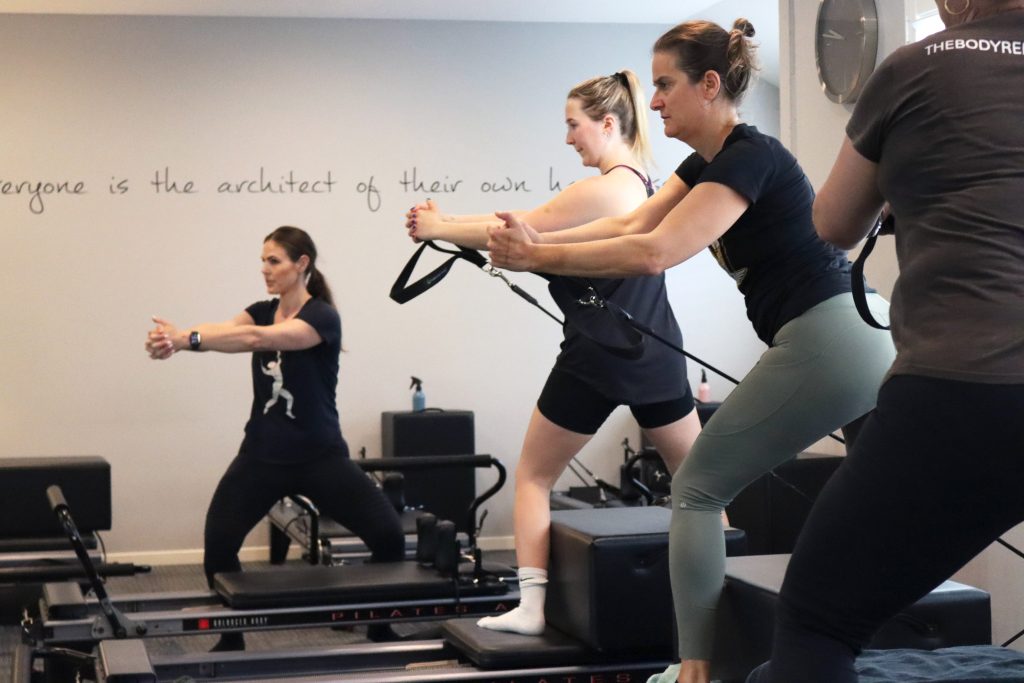
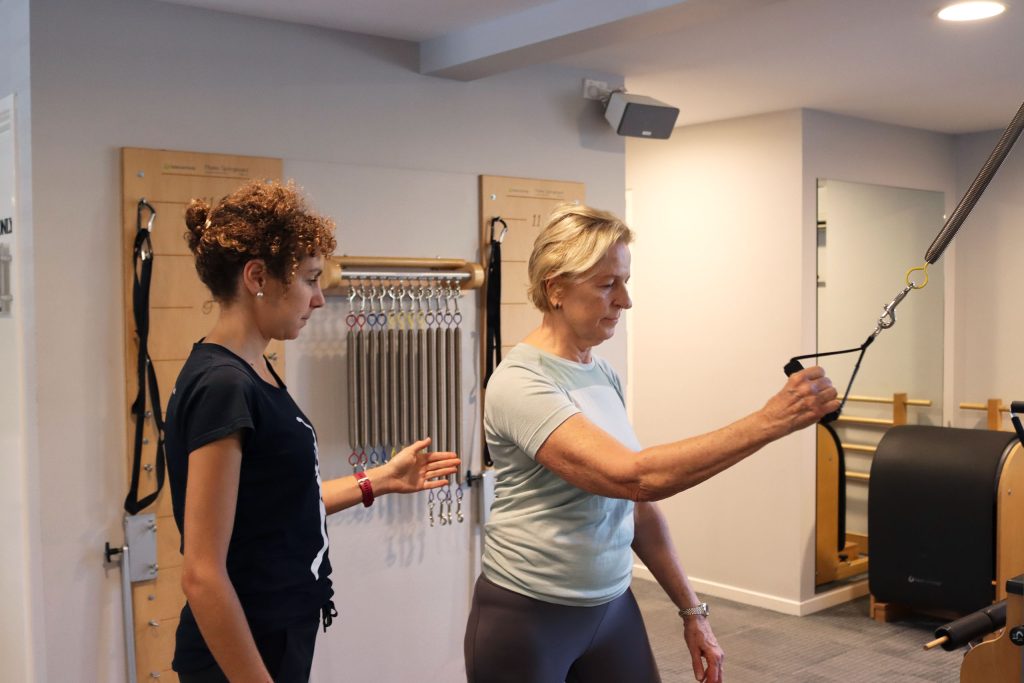
  • Small-group, Physio-led Pilates-based rehab classes: Limited to a maximum of 4 people and led by a physiotherapist, these sessions focus on controlled movement, core stability, posture correction and functional mobility. These classes are perfect for rehabilitation.
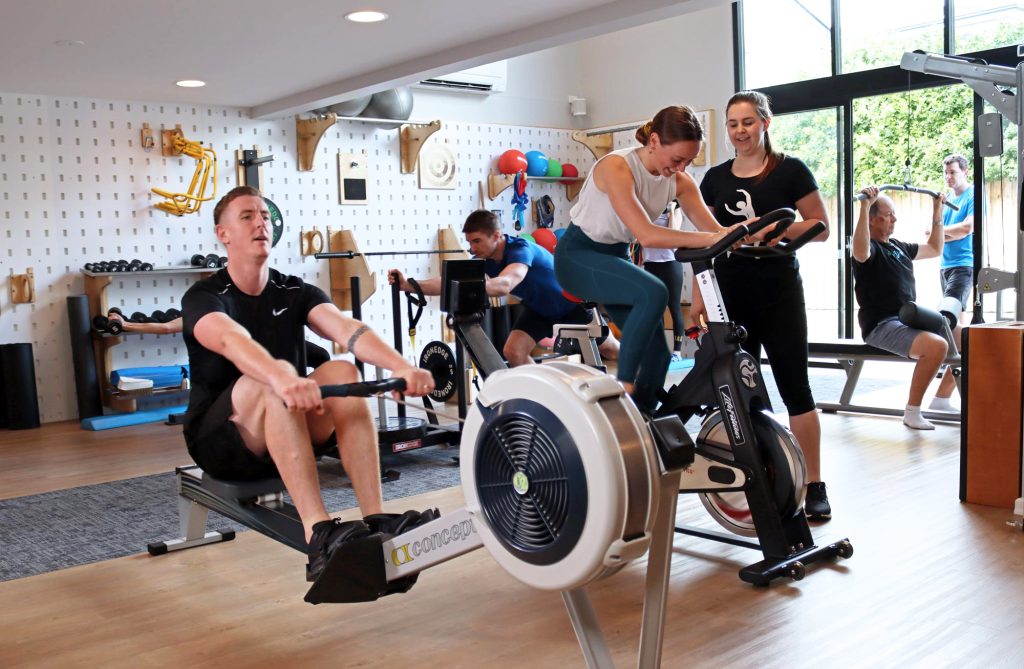
  • Small-group  Functional Performance classes: With a maximum of 4 people and led by an Accredited Exercise Physiologist, these sessions help rebuild strength, resilience and performance in a supervised environment, with tailored exercises.
  • Whether your goal is to return to sport, work, daily life, or simply move without pain, we’ve got you covered.

Pilates-based Rehab classes Physiotherapy New Farm The Body Refinery


Why Our Approach Works

  • A systematic review found that supervised exercise significantly improved walking endurance, gait speed and quality of life in adults with acquired injury. Structured rehab makes a meaningful difference. (2)
  • Exercise interventions also show strong evidence for improving physical capacity and muscle strength in chronic injury populations. (4)
  • A review of physiotherapy in sports-injury rehabilitation emphasises that physiotherapy is indispensable for recovery, injury prevention and performance enhancement. (5)
  • Therapy designed and delivered by appropriately-skilled professionals addresses underlying movement dysfunctions, reducing pain and preventing recurrent injury. (6)


Your Recovery Journey with Us

  1. Assessment & Goal-Setting: We evaluate your injury, movement, strength, mobility and goals.
  2. Programme Design: Based on findings, we create a tailored plan: whether full 1-on-1, rehab class, strength class or a mix.
  3. Implementation & Monitoring: You’ll receive guidance, corrections, progression, and support every step of the way.
  4. Graduation & Beyond: Once you’ve regained function, we help you transition to your next phase (our Pilates Studio classes, sport, everyday life, or performance maintenance) with strategies to prevent future setbacks.

The Importance of Injury Rehabilitation with a Physiotherapist or Exercise Physiologist in New Farm, Teneriffe


Your Next Step

Don’t wait until your body tells you that your recovery is not on track. Whether you’re just starting your rehab journey or you’ve been trying to recover for a while without progress, The Body Refinery team is here to help you move better, feel stronger and reclaim your life. Proudly supporting the New Farm, Teneriffe, and Newstead Peninsula communities. Visit us in our New Farm studio at 2/15 Lamington Street.

Reach out today for an initial consultation by calling our friendly admin team on 3358 3915 or download our App (it’s free).

Menopause and Musculoskeletal Health

The Facts:

  • Menopause onset is defined as 12 months without a period (1)
  • The onset is usually between the ages of 45-55, but early menopause can begin in the early 40’s (1)
  • Women spend more than one-third of their life in a stage of menopause (perimenopause – post menopause) (2)


How is Musculoskeletal Health Impacted? 

Muscular system:

Due to reduced oestrogen levels, women experience an accelerated decrease in skeletal muscle mass, with evidence demonstrating losses of up to 1.5% per year during menopause (3). This reduced skeletal muscle strength can contribute to increased joint pain, reduced functional capacity and greater falls risk. There is also an associated increase in fat mass, increasing cardiometabolic risk and joint loads.

Skeletal system:

Postmenopausal women may lose up to 20% of their bone mineral density in the initial 7 years following menopause due to decreased circulating oestrogen (4, 5). This results in a much higher risk of osteopenia, osteoporosis and fragility fractures, which can in turn lead to chronic pain, loss of independence and increased mortality.

Connective tissues:

Hormonal changes during menopause also affect the body’s connective tissues, with over 70% of women experiencing symptoms.6 Tendons and ligaments become more prone to stiffness, micro tears and injury (7) and have reduced capacity for healing and repair (8). This can manifest as joint pain and stiffness, commonly around the hip, knee, shoulder and ankle. Often, these symptoms impact physical activity levels and recreation.

The GOOD news… there are many ways that you can prevent or reduce your risk of many of these musculoskeletal changes…


5 Key Strategies to Maximise Your Health

  1. Resistance training – aim for 2 sessions per week. Critical for maintaining (and improving) muscle strength, bone mass, posture and balance, as well as being important for joint and tendon health (9).
  2. Optimal nutrition – key nutrients include calcium and Vitamin D (bone health), protein (muscle repair) and omega-3’s (reduce inflammation) (10).
  3. Menopause Hormone Therapy (MHT) – consult your GP or specialist for suitability, may be useful for symptom management as well as bone and muscle health (11).
  4. Daily exercise – light activities such as walking, yoga, Pilates, swimming and gardening can help with joint stiffness, weight management and mood (12).
  5. Sleep and stress – mindfulness, sleep hygiene and relaxation strategies can be helpful in reducing pain severity and inflammation (13)
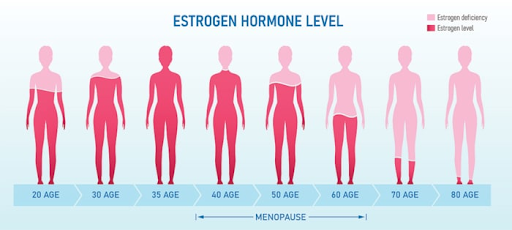
 

Menopause and Musculoskeletal Health Figure 1. Menopause & the Musculoskeletal System. Sydney Pelvic Clinic, 2025.14


Physiotherapists are well placed to guide you through this critical stage of life, from early intervention and prevention to injury rehabilitation and maintenance programs.

Proactive individual assessments, tailored exercise programs and education are all essential parts of preserving musculoskeletal health, reducing falls risk and empowering women to maintain independence and quality of life.

The Body Refinery’s Physiotherapists and Exercise Physiologists are highly skilled in the area of Women’s Health through the life stages. To book an appointment to discuss how different treatments and/or exercise routines can help you live better, call our friendly admin team on 3358 3915.


Written by Vanessa Alvaro, APA Titled Sports & Exercise Physiotherapist.

_ _ _ _ _

References

1. Turner, K., Crampton, J.S. & Dobbin, N. (2025). Physiotherapists’ perceptions on the management of musculoskeletal conditions in women of perimenopausal and menopausal age: a qualitative focus group study. Physiotherapy Theory and Practice, pp.1-14.

2. Rostami-Moez, M., Masoumi, S.Z., Otogara, M., Farahani, F., Alimohammadi; Oshvandi, K. (2023). Examining the health-related needs of females during menopause: A systematic review study. Journal of Menopausal Medicine, 29(1), p.1.

3. El Khoudary, SR, Aggarwal, B, Beckie, TM, et al (2020). Menopause transition and cardiovascular risk: Implications for timing of early prevention: A scientific statement from the American Heart Association. Journal of the American Heart Association, 9(9), e013219.

4.> National Institutes of Health (2023). Osteoporosis and Related Bone Diseases National Resource Centre. Retrieved from: https://www.bones.nih.gov

5. Greendale, GA & Sowers, MF (1997). Bone mineral density loss in relation to the final menstrual period in a multiethnic cohort: Results from the Study of Women’s Health Across the Nation (SWAN). Annals of the New York Academy of Sciences, 828, 63-80.

6. Wright, V. J., Schwartzman, J. D., Itinoche, R., & Wittstein, J. (2024). The musculoskeletal syndrome of Menopause. Climacteric: The Journal of the International Menopause Society, 27(5), 466-472. https://doi.org/10.1080/13697137.2024.2380363

7. Frizzero, A., Vittadini, F., Gasparre, G., & Masiero, S. (2014). Impact of oestrogen deficiency and aging on tendon: Concise review. Muscles, Ligaments and Tendons Journal, 4(3), 324-328.

8. Chidi-Ogbolu, N.; Baar, K. (2019). Effect of estrogen on musculoskeletal performance and injury risk. Frontiers in Physiology, 9, 1834. https://doi.org/10.3389/fphys.2018.01834

9. Capel-Alcaraz, A.M., García-López, H., Castro-Sánchez, A.M., Fernández-Sánchez, M. & Lara-Palomo, I.C. (2023). The efficacy of strength exercises for reducing the symptoms of menopause: a systematic review. Journal of clinical medicine, 12(2), p.548.

10. Erdélyi, A., Pálfi, E., Tűű, L., Nas, K., Szűcs, Z., Török, M., Jakab, A. & Várbíró, (2023). The importance of nutrition in menopause and perimenopause—a review. Nutrients, 16(1), p.27.

11. Ganderton, C., Semciw, A., Cook, J. & Pizzari, T. (2016). The effect of female sex hormone supplementation on tendons in pre and postmenopausal women: a systematic review. Journal of musculoskeletal & neuronal interactions, 16(2), p.92.

12. Pettee Gabriel, K., Mason, J.M. & Sternfeld, B. (2015). Recent evidence exploring the associations between physical activity and menopausal symptoms in midlife women: perceived risks and possible health benefits. Women’s midlife health, 1, pp.1-28.

13. Baker, F.C., De Zambotti, M., Colrain, I.M. & Bei, B. (2018). Sleep problems during the menopausal transition: prevalence, impact, and management challenges. Nature and science of sleep, pp.73-95.

14. Sydney Pelvic Clinic. (2025). Menopause & the Musculoskeletal System. Retrieved from https://www.sydneypelvicclinic.com.au/menopause-and-the-musculoskeletal-system.

Falls Prevention Starts with Movement: how movement and Pilates can keep you steady

If you’re over 65, there’s something you should know: about one in three people your age will take a tumble this year.¹ Sometimes it’s just a harmless slip. But often, falls can lead to broken bones, head knocks, hospital visits, and, just as importantly, a knock to your confidence.

And when confidence takes a hit, people start avoiding activity. Less movement means weaker muscles, poorer balance, and—you guessed it—an even higher risk of falling. It can turn into a vicious cycle. But here’s the good news: with the right kind of exercise, you can break that cycle and feel steady on your feet again.


Why exercise is the secret weapon against falls

Exercise is one of the best “medicines” for preventing falls. In fact, research shows that specific programs focusing on balance, strength, and mobility can cut the risk of falling by up to 30%.² ³ 

Here’s why:

  • Balance training teaches your body how to react quickly and recover when you wobble.
  • Strength work builds up your muscles (especially in your legs and core) so you can catch yourself.
  • Mobility exercises keep your joints moving easily, so you don’t feel stiff or stuck.

Exercise gives bonus benefits like stronger bones, healthier hearts, and more energy. Not bad for something that doesn’t come in pill form.


Why a Physiotherapist makes all the difference

While moving more is always better than sitting still, the magic really happens when a physiotherapist is in your corner. Physiotherapists at The Body Refinery don’t just hand you an exercise sheet—they look at your unique situation, guide you through safe progressions, and encourage you on as you improve.

Research says physio-led programs get better results than going it alone.⁴ ⁵ When you know you’re in safe hands, it’s easier to show up, stick with it, and build confidence in your body again.


Pilates: more than just fancy stretching

You might think Pilates is only for ballerinas and bendy yoga types, but think again. Pilates is a gentle, low-impact way to train balance, core strength, and posture—all the ingredients for staying upright.

Studies show Pilates can improve mobility, balance, and even reduce the fear of falling.⁶ ⁷ And that last part is a big deal. Because when you stop worrying about falling, you move more. And when you move more, your muscles and balance get even better. 

The little plus—Pilates is fun. You’ll feel taller, stronger, and maybe even a little smug about doing something your grandkids would find impressive.


How we do things at The Body Refinery

Here at The Body Refinery, in New Farm, we’ve been helping our clients stay strong, steady, and confident for the past 18 years. Our team of Physiotherapists and Exercise Physiologists are a friendly and hight qualified team who have experience when it comes to falls prevention.

We offer one-on-one sessions, small group classes, or physio-led group programs—so you can choose the vibe that suits you best. Our space is equipped with a full Pilates studio and a modern gym, so whether you love the reformer, hand weights, or a mix of both, we’ve got you covered.

Most importantly, we love seeing our clients reclaim their independence, feel stronger, and walk away with more confidence in their daily lives.


Falls might be common, but they don’t have to be part of your story. With the right support, appropriate exercise, and maybe a dash of Pilates magic, you can keep living the active, independent life you love.

So, are you ready to steady yourself? Let’s get moving. Join our community at our studio – The Body Refinery, in New Farm