

As temperatures drop, many people notice they’re waking up feeling stiffer, or that their everyday aches and pains become more noticeable.
If you’ve found yourself feeling tighter, less motivated to exercise, or experiencing an increase in back, neck or joint discomfort during winter, you’re certainly not alone.
The good news? Movement is one of the most effective ways to combat winter stiffness and keep your body feeling its best.
Why Do We Feel Stiffer in Winter?
Although cold weather doesn’t directly cause injury, it can influence how our bodies feel and move.
During winter, people often:
- Spend more time sitting indoors.
- Exercise less frequently.
- Experience increased muscle tension.
- Feel less motivated to maintain healthy routines.
- Reduce their daily activity levels.
Less movement means joints can become less mobile, muscles may tighten, and existing aches and pains can feel more pronounced.
Common Areas Affected by Winter Stiffness
Many people report increased discomfort in:
- Lower Back: Long periods sitting at work or relaxing indoors can contribute to lower back tightness.
- Neck and Shoulders: Working from home, increased screen time and stress can lead to tension through the upper body.
- Hips: Reduced walking and physical activity can leave the hips feeling restricted and uncomfortable.
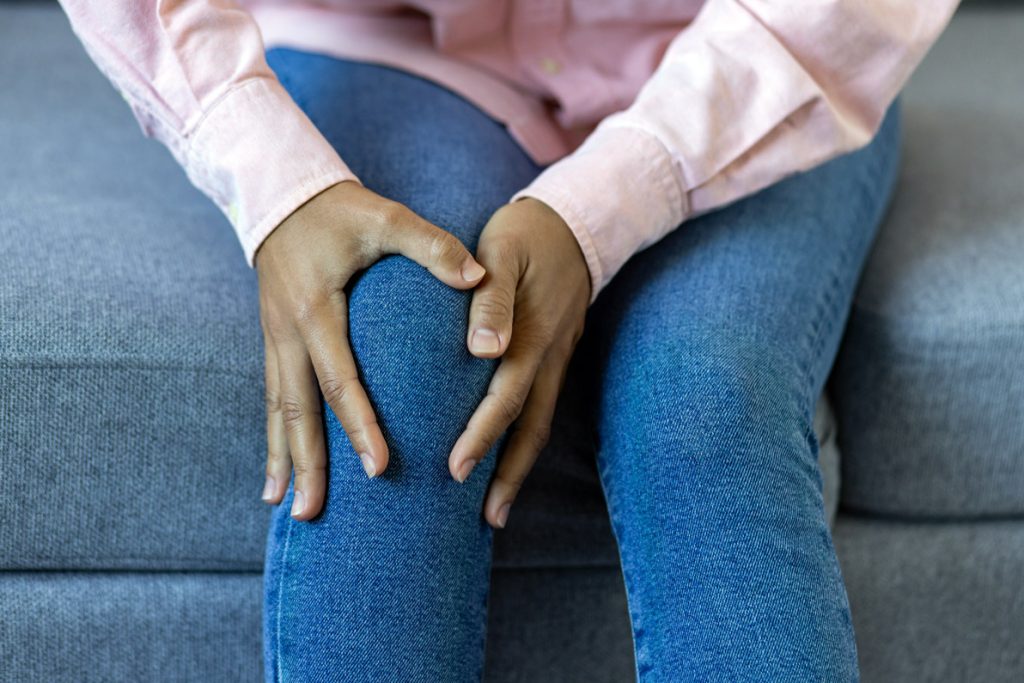
- Knees and Joints: People living with arthritis or previous injuries may notice symptoms feel more noticeable during colder months.

Why Movement Matters
When we move, our muscles generate heat, blood flow increases and joints receive the nutrients they need to function well.
Regular exercise can help:
- Improve mobility and flexibility.
- Reduce feelings of stiffness.
- Build strength and support around joints.
- Improve balance and confidence.
- Support overall physical and mental wellbeing.
Importantly, movement doesn’t have to be intense to be beneficial.
Simple Ways to Stay Active This Winter
Keep Walking: Even a short daily walk around New Farm Park or along the Brisbane River can help keep your body moving and improve circulation.
Try Pilates: Pilates focuses on strength, mobility and body awareness. It can be particularly beneficial for people managing injuries, recovering from pain or wanting a low-impact way to stay active during winter.
Prioritise Strength Training: Maintaining muscle strength is essential as we age and can help support healthy joints and reduce the risk of injury.
Take Regular Movement Breaks: If you spend long periods sitting, try standing, stretching or walking for a few minutes every hour.
Don’t Wait for Pain to Become Severe: Persistent discomfort isn’t something you simply have to “put up with.” Early assessment and appropriate treatment can help address issues before they become more limiting.
How Exercise Physiology Can Help
At The Body Refinery, we often see an increase in people experiencing winter-related stiffness, reduced mobility and flare-ups of previous injuries.
Our Accredited Exercise Physiologist, Abbey, shares her personal tips to keep you feeling mobile in winter:
“Cold, dark mornings and cooler temperatures can make it harder to stay active, making the couch seem far more inviting. However, spending more time sitting, being less active, and the cold itself can increase muscle stiffness and contribute to aches and pains. Here are some of my favourite strategies to beat winter stiffness:
- Heat therapy: Apply heat to stiff muscles using a heating pad, steam shower, or warm bath. Heat increases blood flow by widening blood vessels, helping to relax tight muscles and reduce stiffness.
- Foam rolling: Apply gentle, sustained pressure to tight or stiff areas with a foam roller or massage ball to help release tension in the fascia, the connective tissue that surrounds and supports muscles.
- Dynamic warm-ups: Before exercising, prepare your muscles with dynamic movements such as bodyweight squats or heel raises. These exercises raise your body temperature, improve joint lubrication, and help your muscles get ready for activity.
- Static stretching: After exercise, hold gentle stretches for 30 seconds to help lengthen muscles, reduce tightness, and encourage them to return to their resting length.
- Stay hydrated: Dehydration can reduce blood flow and impair normal muscle function, contributing to stiffness. Drink plenty of water throughout the day to keep your muscles and other tissues well hydrated.
- Break up seated periods: Scattering regular movement throughout your day, whether its stretches, a short walk, or bodyweight exercises at home, will help to prevent stiffness and support optimal muscle and joint function.”
Winter doesn’t have to mean slowing down.
A little movement each day can go a long way in helping you feel stronger, more mobile and more comfortable throughout the cooler months.
If you’ve noticed increased stiffness or discomfort this winter, our team is here to help.
Book an Exercise Physiology consultation today to support your movement goals.
Our Accredited Exercise Physiologists can create personalised programs designed to:
- Improve movement and flexibility.
- Build strength safely.
- Support recovery from injury.
- Reduce pain and stiffness.
- Help you return to the activities you enjoy.
Whether you’re dealing with back pain, neck tension, arthritis, or simply feeling less mobile than usual, the right movement program can make a significant difference.
_ _ _
References
1. Australian Physiotherapy Association (APA). Benefits of physical activity and physiotherapy for healthy ageing and musculoskeletal health.
2. Arthritis Australia. Physical activity and exercise recommendations for people living with arthritis.
3. Department of Health and Aged Care, Australian Government. Physical Activity and Exercise Guidelines for Adults.
4. Exercise & Sports Science Australia (ESSA). The role of exercise in preventing and managing chronic disease.
5. The Royal Australian College of General Practitioners (RACGP). Guidelines for the management of musculoskeletal conditions in primary care.