
Cardiovascular Disease & Stroke
This year marks the 30th World Physiotherapy Day (World PT Day), with the focus for 2026 being on:
- Cardiovascular disease (CVD); and
- Stroke
In relation to these conditions, physiotherapists can play an important role in guiding physical activity that can help with:
- Prevention
- Management
- Recovery & Rehabilitation
Queensland Statistics
According to the Queensland Chief Health Officer, coronary heart disease was the leading cause of death in Queensland in 2023.
In Queensland from 2018-2022:
- coronary heart disease accounted for 11.2% of all deaths.
- cerebrovascular disease (including stroke), accounted for 5.9% of all deaths.
The Stroke Foundation and Monash University’s Economic Impact of Stroke Report 2024 estimated that in 2023 in Queensland:
- 9,098 stroke events occurred.
- 89,188 Queenslanders were living with the effects of stroke.
- The stroke rate was approximately 171 per 100,000 people.
- Around 1.02 million Queenslanders had high blood pressure, one of the most important modifiable risk factors for stroke.
For physiotherapists, these statistics reinforce why our role extends beyond rehabilitation after an event. Supporting physical activity, appropriate exercise, cardiovascular risk awareness and recovery can all help people:
- stay active.
- protect cardiovascular health.
- regain independence following stroke or cardiovascular disease.
But what about people who are already active?
A healthy lifestyle cannot eliminate cardiovascular risk, though regular physical activity significantly reduces the risk of cardiovascular disease, stroke, and premature death.
Being active lowers the risk, though it doesn’t eliminate it.
Research in sports cardiology shows that vigorous exercise can temporarily increase the risk of an acute cardiac event in susceptible individuals, particularly those with underlying cardiovascular disease or risk factors.
This is why the approach to exercise shouldn’t simply be “exercise more”, it should be:
- Move more
- Exercise appropriately
- Know your risk factors
- Pay attention to warning signs
- Discuss any concerns with your:
- General Practitioner
- Medical Specialists
- Physiotherapist
Where does physiotherapy fit?
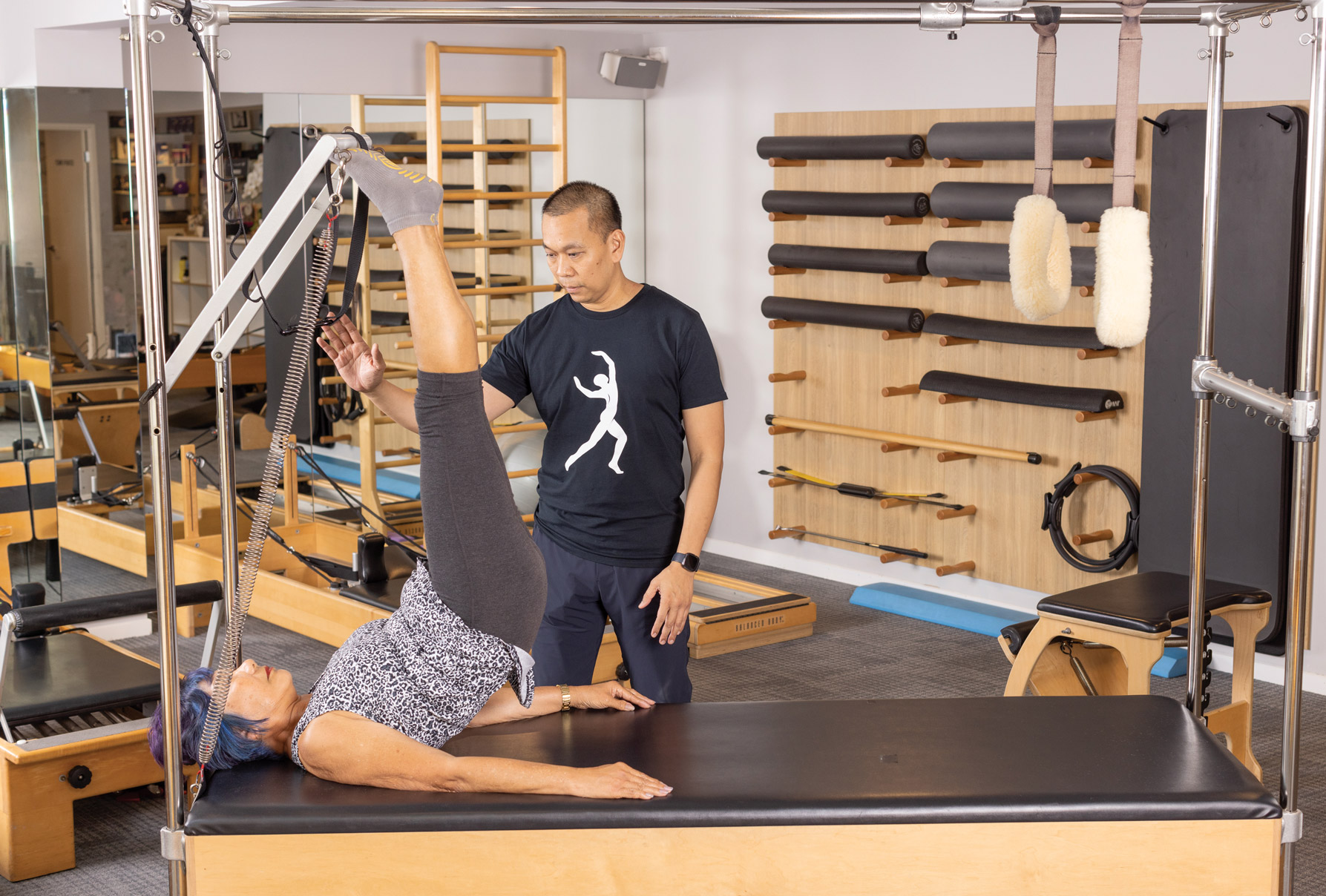
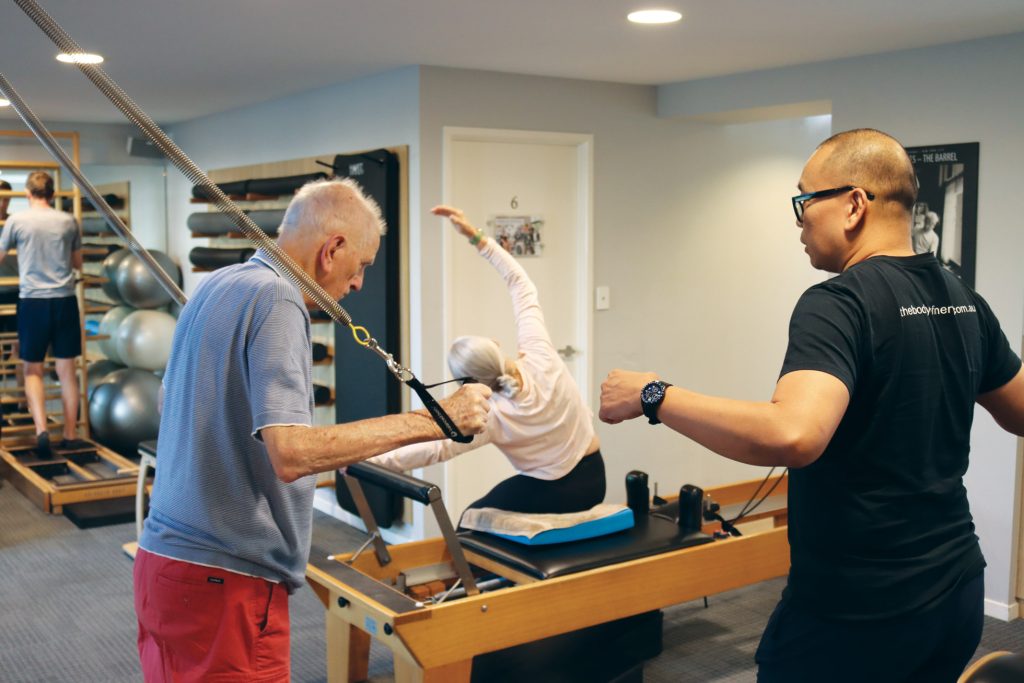
Physiotherapists treat sore backs, knees and sporting injuries, but can also play an important role in supporting people with cardiovascular disease through appropriate exercise, physical activity, rehabilitation and recovery.
Physiotherapists are trained to:
- recognise when symptoms during exercise warrant further medical assessment; and
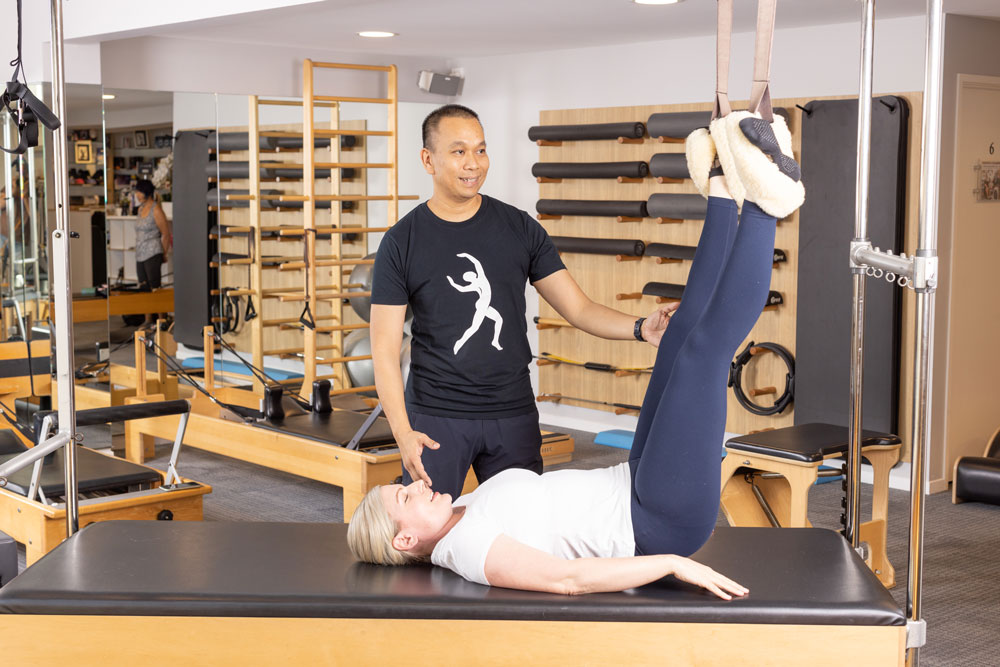
- help people exercise safely according to their individual circumstances and capacity.
After a stroke, physiotherapy has an even more visible role, helping people restore:
- movement
- balance
- mobility
- physical capacity
- independence
The profession therefore sits at an important intersection between movement, prevention and rehabilitation.
The message for active people
Being able to run 10 km, lift weights, play basketball or train several times a week are great signs of physical fitness, but they don’t mean you’re not still at risk of cardiovascular disease.
Symptoms to be aware of, which should prompt you to seek appropriate, urgent medical attention:
- unexplained chest pressure or discomfort
- unusual breathlessness
- fainting or near-fainting
- palpitations associated with exercise
- significant unexplained reduction in exercise tolerance
Australian research into exercise-related sudden cardiac death among people aged 10–35 years found that 39% of cases had experienced symptoms before the event, most commonly:
- chest pain
- presyncope (near-fainting)
- syncope (fainting)
The cardiovascular benefits of regular exercise greatly outweigh the risks, and being young, healthy or fit may decrease the likelihood of you having cardiovascular disease, but you should always take action if you notice concerning symptoms.
Good healthcare isn’t about pushing everyone to exercise harder. It’s about helping each person:
- move more
- move safely
- understand their individual risks, and
- stay active at every stage of life.
That‘s where physiotherapists play a vital role in supporting their clients.
Written by physiotherapist Rodney Wenceslao. See his full bio: here
_______
References
World Physiotherapy. World PT Day 2026 — Cardiovascular disease and stroke. World Physiotherapy, 2026.
World Physiotherapy. World PT Day 2026 materials launched. 8 June 2026.
Queensland Health. Report of the Chief Health Officer Queensland — Mortality. Queensland Government.
Stroke Foundation & Monash University. Economic Impact of Stroke Report 2024 — Queensland State Snapshot. Stroke Foundation, 2024.
Pelliccia A, Sharma S, Gati S, et al. 2020 ESC Guidelines on sports cardiology and exercise in patients with cardiovascular disease. European Heart Journal. 2021;42(1):17–96. doi:10.1093/eurheartj/ehaa605.
Thompson PD, Franklin BA, Balady GJ, et al. Exercise and acute cardiovascular events: placing the risks into perspective. Circulation. 2007;115(17):2358–2368. doi:10.1161/CIRCULATIONAHA.107.181485.
Franklin BA, Thompson PD, Al-Zaiti SS, et al. Exercise-related acute cardiovascular events and potential deleterious adaptations following long-term exercise training: placing the risks into perspective — an update from the American Heart Association. Circulation. 2020;141–e736.
Paratz ED, Rowsell L, Zentner D, et al. Sudden cardiac death related to physical exercise in the young: a nationwide cohort study of Australia. Heart, Lung and Circulation. 2022.