Category

Physiotherapy

The Secret to Living Longer, Stronger, and Healthier

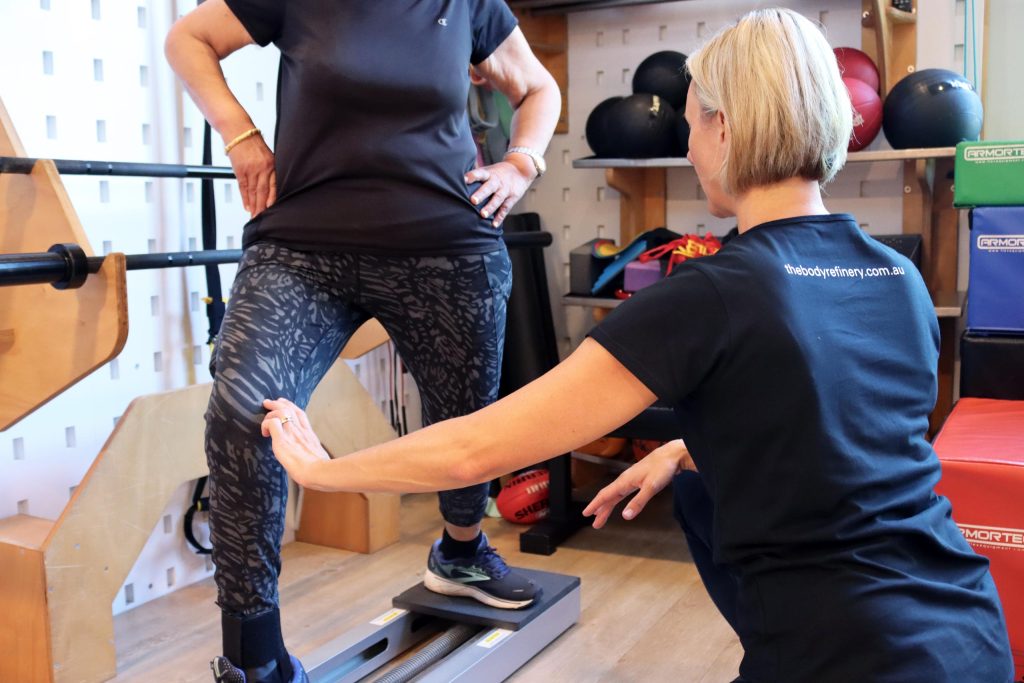
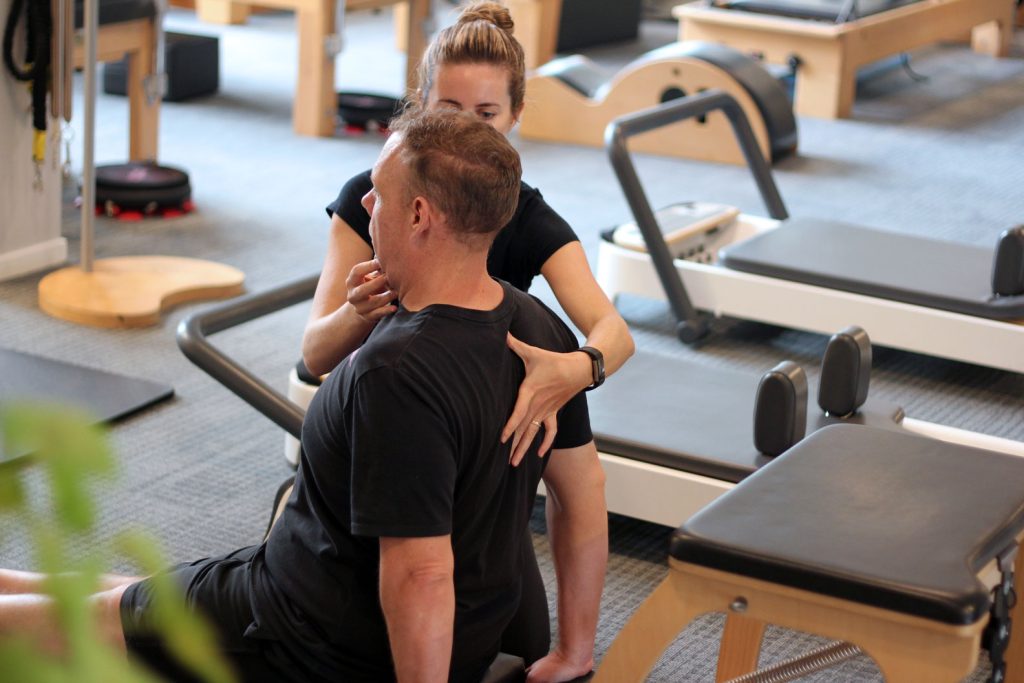
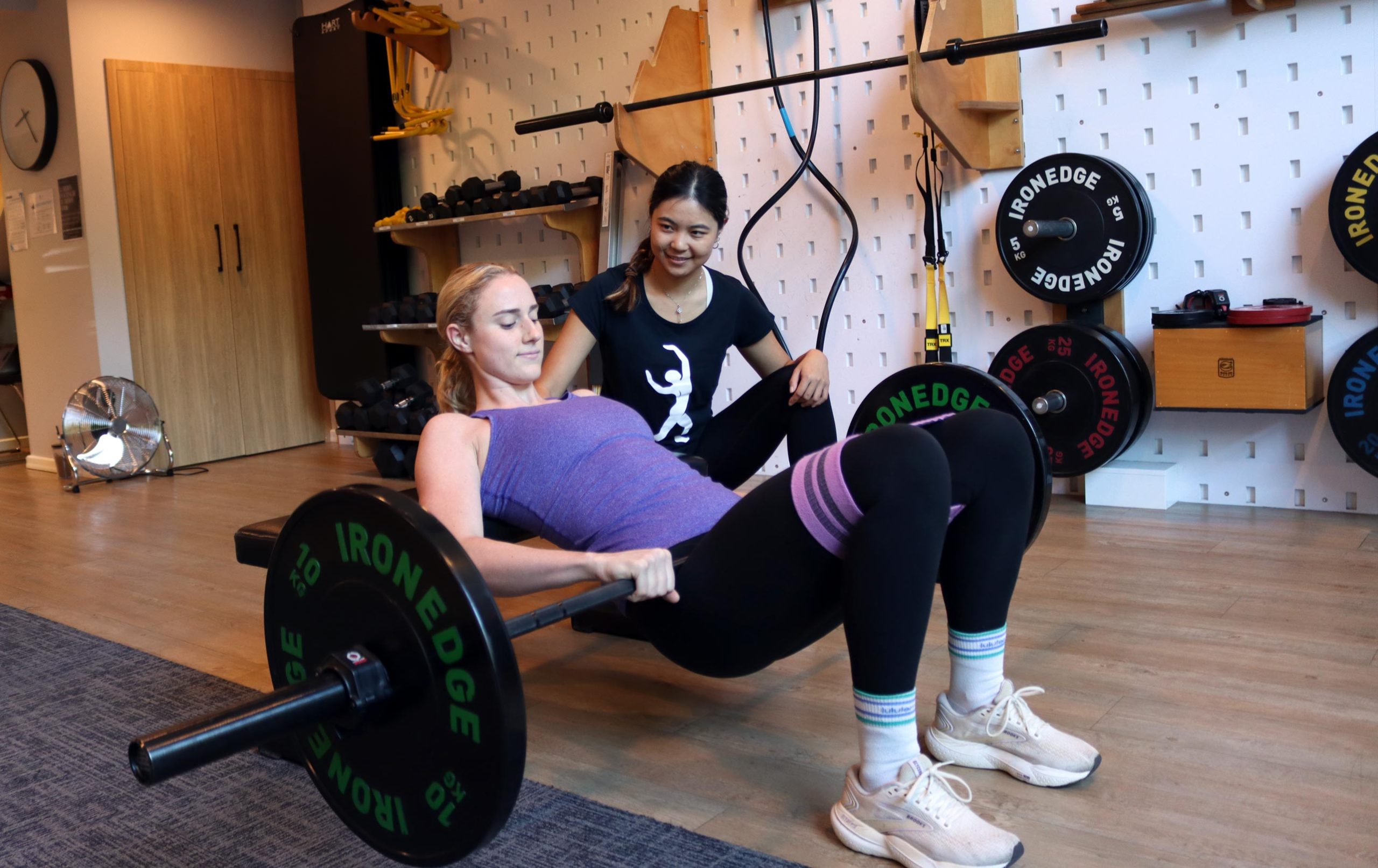
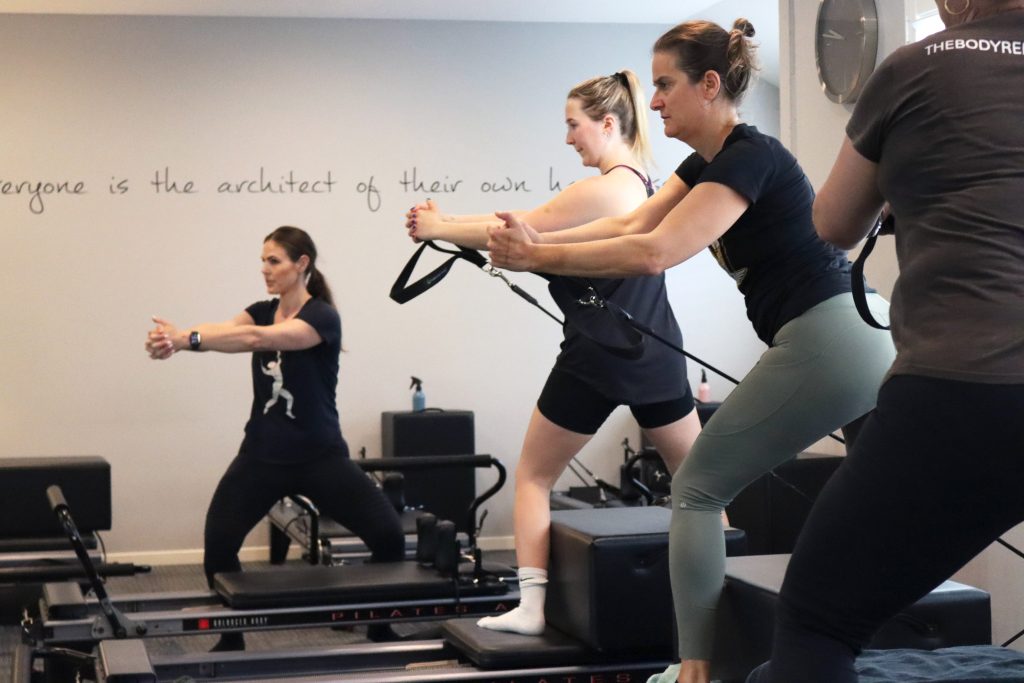
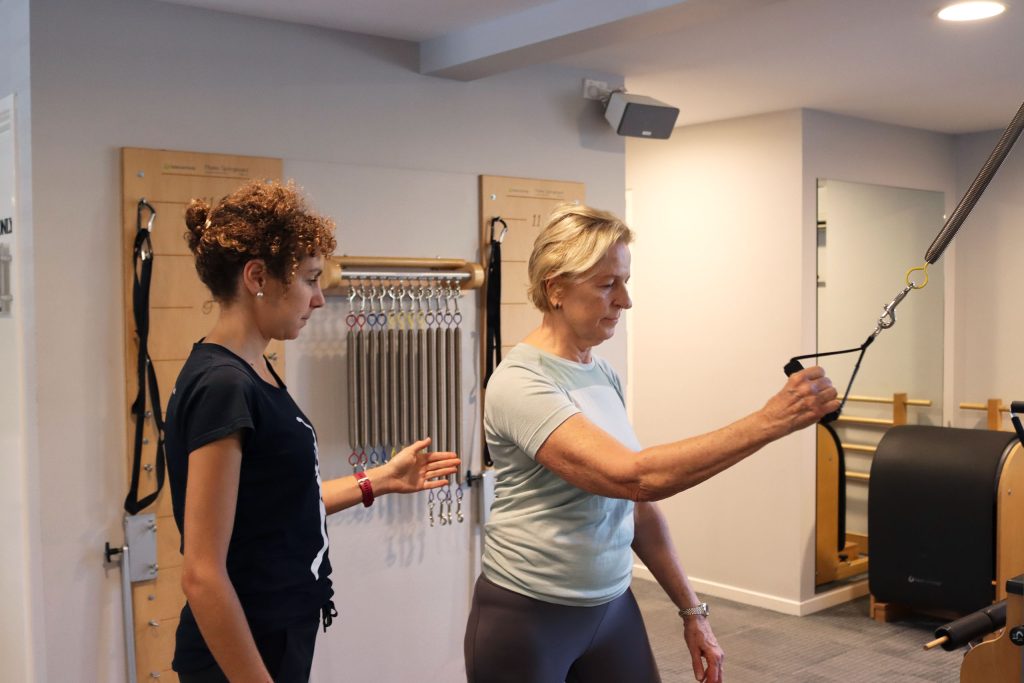
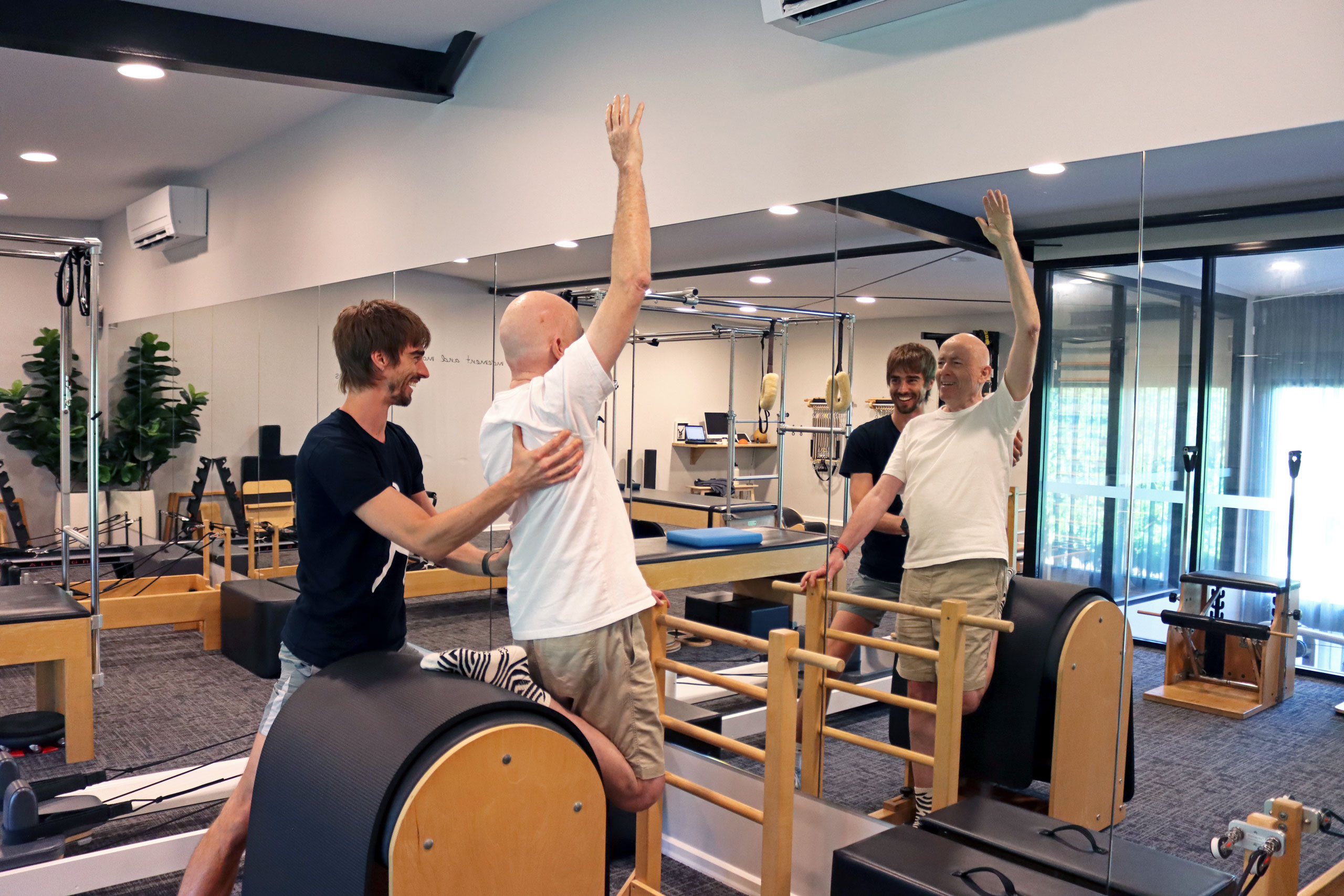
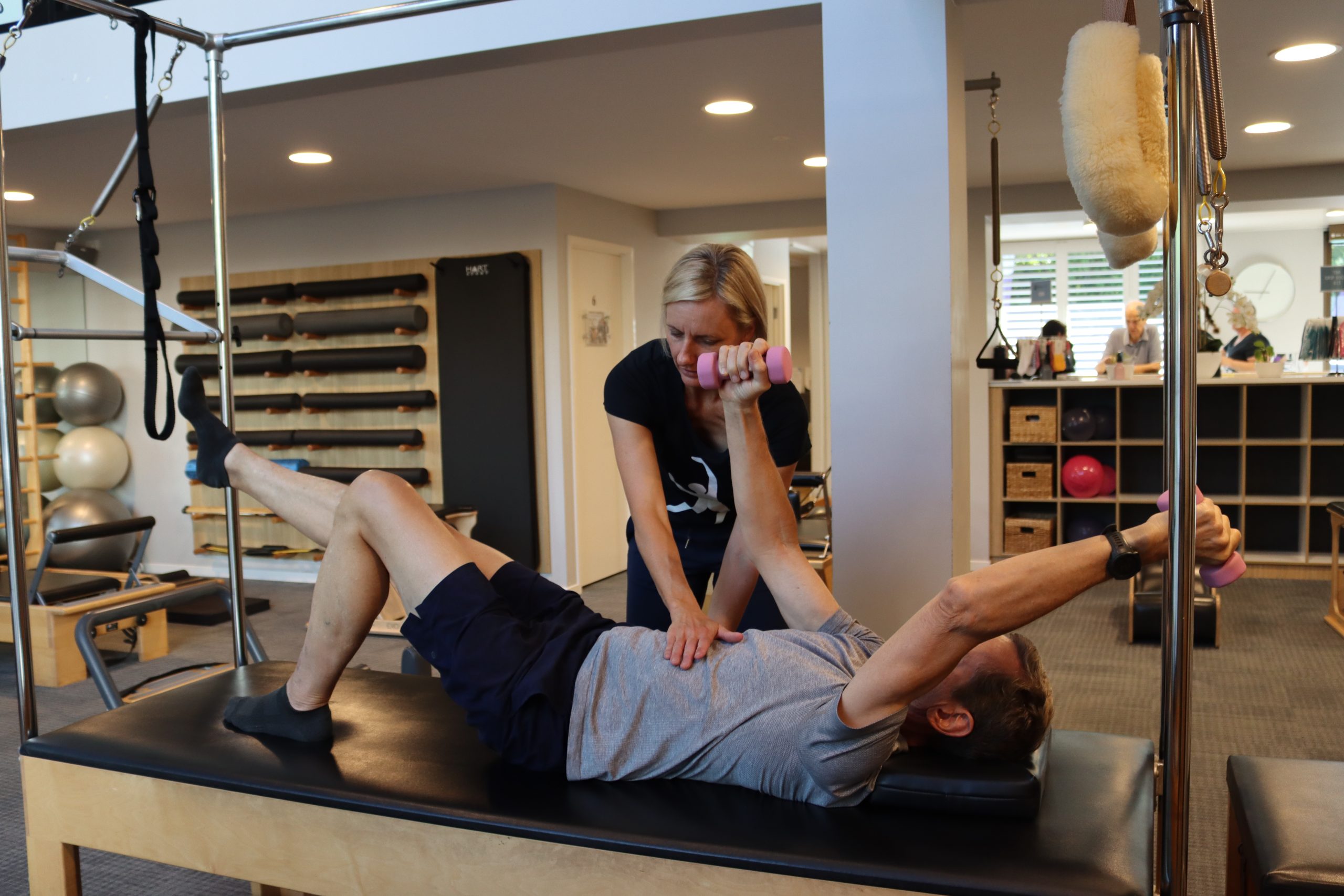
strength training at The Body Refinery New Farm

When most people think about exercise, they picture jogging, cycling, or maybe a yoga class. But did you know that lifting weights or doing resistance exercises is one of the most powerful tools for your health? Strength training isn’t just for athletes or bodybuilders. It benefits people of all ages, from teenagers to grandparents, and the science is clear: the rewards far outweigh the risks. Here’s why making strength training a regular part of your routine can change your life – and the earlier in life you start, the better.

Stronger Muscles, Stronger You

As we age, we naturally lose muscle mass and strength — a process called sarcopenia. This is why getting up from the floor or carrying groceries can feel harder over time. The good news? Strength training slows this decline and can even reverse it. Regular weight training helps you:

  • Build and maintain muscle
  • Improve coordination and balance (helping prevent falls)
  • Stay independent for longer
  • Lower your risk of dementia and frailty

Even older adults see large improvements; some studies show people in their 60s and beyond can increase their strength by 2–5% just from consistent training. And you don’t need fancy equipment. Bodyweight exercises like squats, push-ups, and planks are a great place to start.

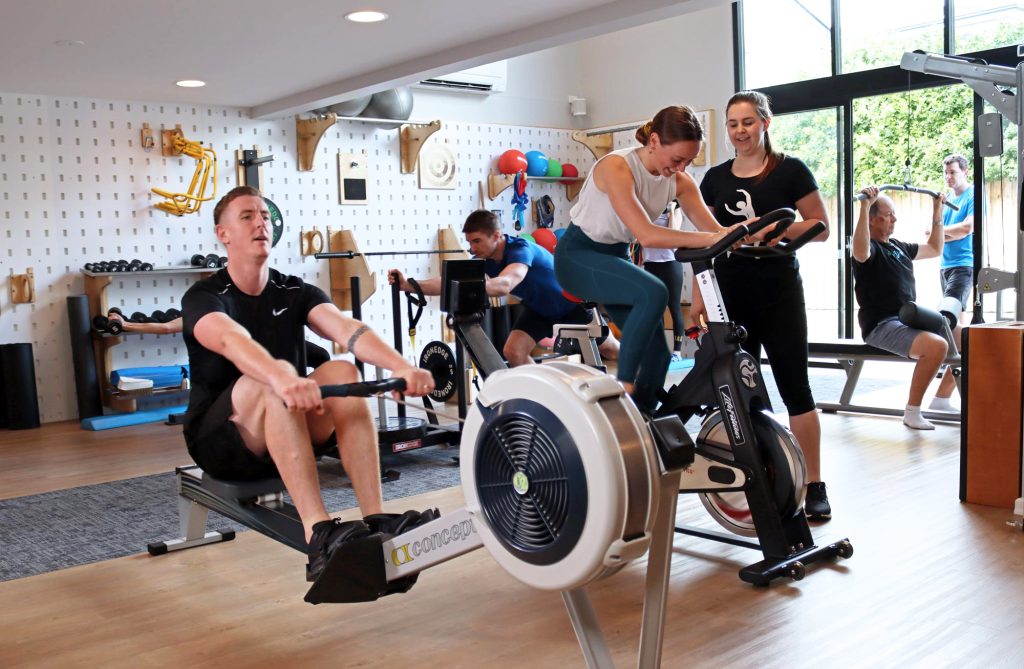
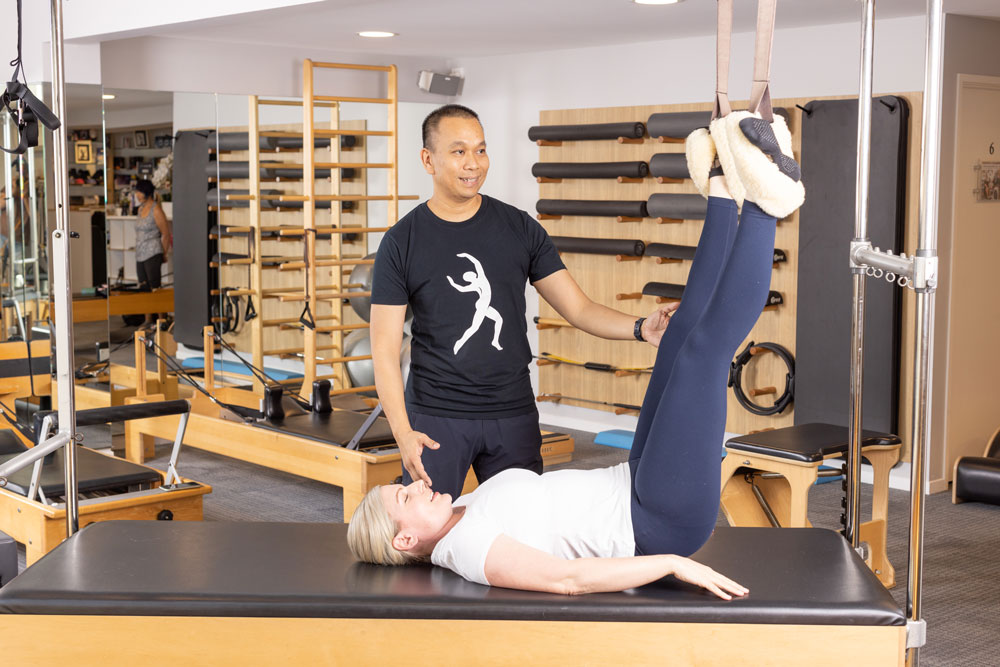
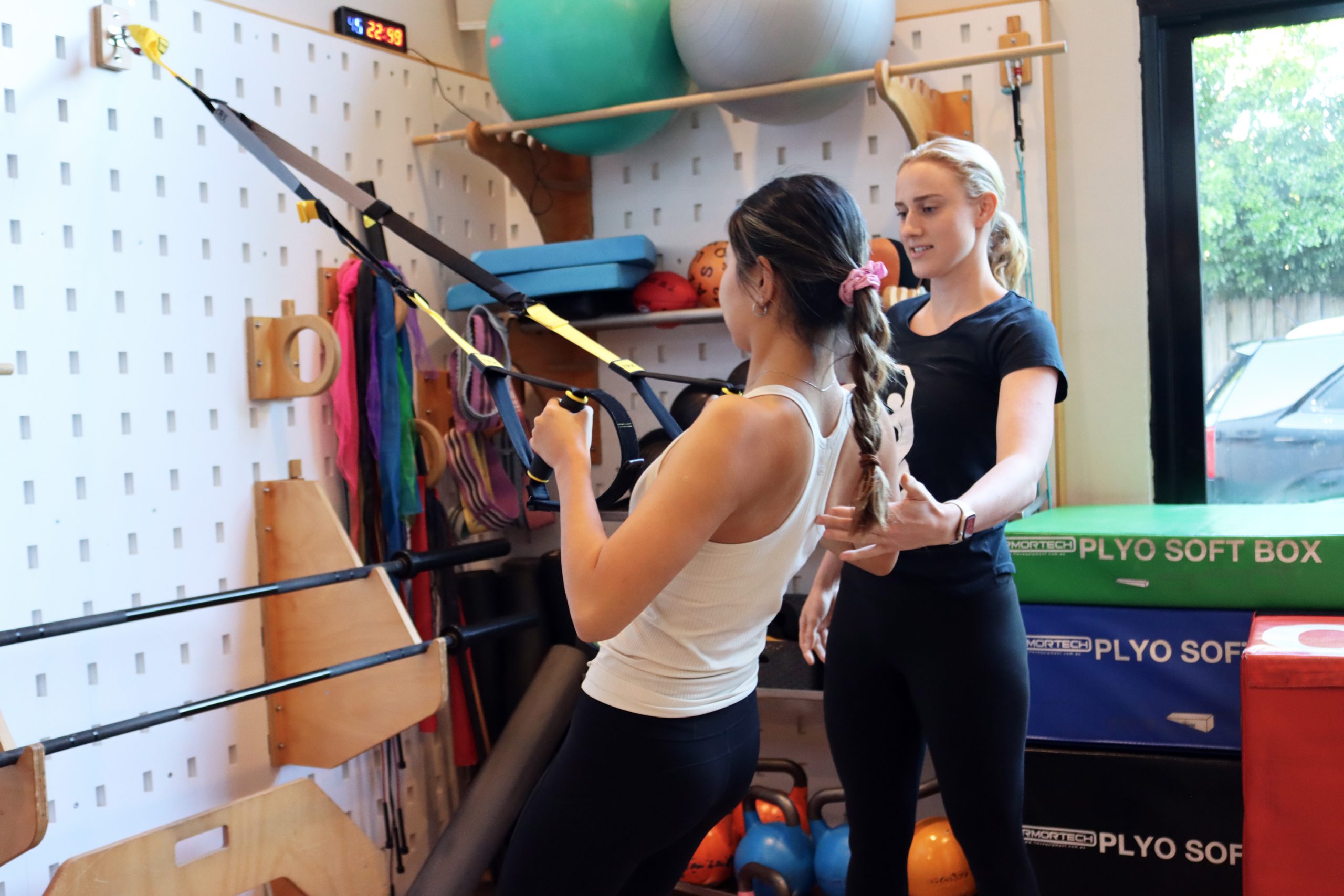
strength training at The Body Refinery New Farm

Impact (Loading) Protection

Worried about osteoporosis or fractures as you get older? Strength training is one of the best defences. Bones respond to load. When you lift weights, your body strengthens both your muscles and your bones. This is especially important for women after menopause, when bone density often declines rapidly. Resistance training not only improves bone strength in the hips and spine but also reduces the risk of fractures. And if you’re younger, it’s just as important. Building strong bones in your teens and 20s sets you up for healthier decades ahead.

Less Pain, More Movement

Experiencing back pain, arthritis, or sore knees? Strength training can help reduce pain. For example, people with chronic low back pain often find that strengthening their posterior chain (think glutes, hamstrings, and back muscles) reduces pain and disability, sometimes even more effectively than general exercise. Similarly, strengthening the quadriceps is considered one of the best treatments for knee arthritis. Far from being unsafe, loading the joints with the right exercises can improve long-term joint health. This is where trained professionals (physiotherapists, exercise physiologists, Pilates instructors) at The Body Refinery can help.

A Natural Mood Booster

Exercise is medicine and strength training is no exception. Research shows that it reduces symptoms of anxiety and depression, improves sleep quality, and boosts brain function during the day. It’s not just your body that gets stronger; your mind does too.

Living Longer (and Healthier)

Muscle isn’t just about strength; it’s a metabolic powerhouse. Strong muscles release protective proteins called myokines that reduce inflammation, support your immune system, and even help fight off chronic diseases like type 2 diabetes, heart disease, and cancer. Strength training can lower harmful cholesterol, reduce blood pressure, improve blood sugar control, and support recovery during cancer treatment. In short: more muscle = a longer, healthier life.

Better Brainpower

Want to stay sharp as you age? Strength training has been linked to better memory, focus, and overall brain health. Moderate, consistent resistance exercise seems especially effective for preventing cognitive decline. Pair it with aerobic exercise like walking or cycling, and you’ve got one of the most powerful brain-boosting combos out there.

Getting Started: Simple Tips

You don’t need to spend hours in the gym to see benefits. Here’s how to begin safely:

  • Start small: Bodyweight exercises (squats, lunges, push-ups) are perfect for beginners.
  • Aim for twice a week: Just 2–3 sessions can make a big difference.
  • Focus on big movements: Exercises that work multiple muscle groups (like squats or deadlifts) give you more bang for your buck.
  • Progress gradually: Increase weight, resistance bands, or reps slowly over time.
  • Listen to your body: Some muscle soreness is normal, but sharp pain isn’t.

Cardio Fun Fact

Final Thoughts

Strength training isn’t just about looking good; it’s about living well. From stronger bones and muscles to better mental health, less pain, and a sharper mind, the evidence is overwhelming. Whether you’re 18 or 80, it’s never too late to start. Your future self will thank you for every squat, push, and lift you do today. So the next time you’re planning your workouts, don’t just think about cardio. Pick up some weights, grab a resistance band, or even just use your own body weight, and start building a stronger, healthier, and longer life.


At The Body Refinery, in our Studio in New Farm, we are a multidisciplinary practice, where your physiotherapist is able to collaborate with your Myotherapist, Exercise Physiologist, Pilates instructor or massage therapist to ensure a faster, more effective treatment and recovery from a range of conditions.

Written by Physiotherapist, Emmanuel

How frequently should I be exercising with Parkinson’s Disease?

Navigating the Menopausal Transition: How an Exercise Physiologist Can Help The body Refinery

The role of exercise in managing Parkinson’s disease is widely known. Perhaps less known is the importance of exercise frequency when it comes to managing this neurodegenerative condition. Whilst any exercise is better than none, research shows that optimal outcomes are achieved by exercising frequently.

Let’s talk about Neuroplasticity

Neuroplasticity is the brain’s ability to change, reorganise and adapt by forming new neural connections, and rewiring itself in response to physical, cognitive and social stimuli.¹ Maintaining or increasing neuroplasticity is particularly important for people with Parkinson’s disease, as it enables the brain to adapt, compensate for lost neurons, improve overall function and support symptom management.

Exercise primes the brain to make new connections, meaning that it enhances neuroplasticity and supports more optimal brain function³. However, the brain requires exposure to movement patterns to maintain the formation of these new neural pathways. Intermittent or infrequent exercise (e.g. only 1-2 times per week), while beneficial, may not be sufficient to prevent the loss of newly-formed neural connections, which can disrupt progress and result in sub-optimal outcomes overall.

Daily exercise provides the best opportunity for positive neural changes in the brain, allowing for more effective management of Parkinson’s disease.

PD Warrior - Parkinson's disease The Body Refinery

Where to start?

An Exercise Physiologist or Physiotherapist with training in Parkinson’s disease can tailor an exercise program to your specific type and stage of Parkinson’s, to focus on slowing your symptoms, as well as catering to your fitness level, needs and lifestyle.

At The Body Refinery, we run PD Warrior™ classes, specifically tailored to managing Parkinson’s disease. Taken by our Exercise Physiologists, these classes ensure you’re engaging in safe and appropriate exercise, and they also provide a great sense of community, which supports mental wellbeing.

Engaging in these classes is recommended to provide the best chance of achieving neuroplastic changes in the brain and improved overall function. Home exercise could involve practising 1-2 PD warrior™ exercises a day, or alternatively, your Exercise Physiologist may tailor a home program more specifically aligned with your goals and needs.

If it’s an option for you, private 1:1 sessions with your Exercise Physiologist are the best way to ensure you are exercising correctly, with corrections provided, along with regular reassessment of your progress.  Private sessions or regular reviews help to support you in overcoming barriers and continue progressing your home program, to give the best chance of slowing the progression of Parkinson’s disease, and effectively managing your symptoms. Private sessions can also be taken in a large private room at our premises.

PD Warrior - parkinson's disease program the body refinery

Your Next Step

Reach out today by calling our friendly admin team on 3358 3915 to enquire further regarding our services. Alternatively, if you’re already attending our PD Warrior™ classes, have a chat with your Exercise Physiologist to discuss what a home program could look like for you, as well as the benefits of regular reviews or regular private sessions.

We are conveniently located on the New Farm, Teneriffe, Newstead Peninsula, though our PD Warrior™ clients join us from all over Brisbane.


  1. Puderbaugh M, Emmady PD. Neuroplasticity [Internet]. National Library of Medicine. Treasure Island (FL): StatPearls Publishing; 2023. Available from: https://www.ncbi.nlm.nih.gov/books/NBK557811/
  2. Popescu BO, Batzu L, Ruiz PJG, Tulbă D, Moro E, Santens P. Neuroplasticity in Parkinson’s disease. Journal of Neural Transmission. 2024 Aug 5;131. 
  3. De Sousa Fernandes MS, Ordônio TF, Santos GCJ, Santos LER, Calazans CT, Gomes DA, et al. Effects of Physical Exercise on Neuroplasticity and Brain Function: A Systematic Review in Human and Animal Studies. Hess G, editor. Neural Plasticity. 2020 Dec 14;2020(1):1–21.

The Importance of Injury Rehabilitation with a Physiotherapist or Exercise Physiologist

The Importance of Injury Rehabilitation with a Physiotherapist or Exercise Physiologist in New Farm, Teneriffe

Recovering from an injury is not simply about resting until the pain disappears. It’s about restoring strength, movement, and function – and preventing future setbacks. That’s why working with a qualified physiotherapist or exercise physiologist is important.

Why Professional Rehabilitation Matters

  • After an injury, muscles, joints, and connective tissues often weaken, stiffen or lose coordination. A guided rehabilitation process helps rebuild them safely and effectively.
  • Early intervention matters. Engaging with a physiotherapist soon after injury can help avoid chronic pain, lingering dysfunction, and risk of re-injury. For example, early physiotherapy can improve tissue healing, reduce scar-tissue tightness and restore mobility. (1)
  • Research shows that supervised and progressive exercise programs (including strength, balance and aerobic components) improve functional capacity and quality of life in people recovering from serious injuries. (2)
  • Rehabilitation is more than just “rest and heal”; it’s about correcting faulty movement patterns, strengthening vulnerable areas, and equipping you to return to your activity or sport more resilient than before. (3)

Tailored attention from our Team

The Body Refinery’s experienced team of Physiotherapists and Exercise Physiologists is dedicated to helping you recover, regain confidence and reach your goals through:

  • Personalised 1-on-1 sessions: We assess your injury history, current abilities, goals and lifestyle, then design a bespoke programme that best suits you.
  • Small-group, Physio-led Pilates-based rehab classes: Limited to a maximum of 4 people and led by a physiotherapist, these sessions focus on controlled movement, core stability, posture correction and functional mobility. These classes are perfect for rehabilitation.
  • Small-group  Functional Performance classes: With a maximum of 4 people and led by an Accredited Exercise Physiologist, these sessions help rebuild strength, resilience and performance in a supervised environment, with tailored exercises.
  • Whether your goal is to return to sport, work, daily life, or simply move without pain, we’ve got you covered.

Pilates-based Rehab classes Physiotherapy New Farm The Body Refinery


Why Our Approach Works

  • A systematic review found that supervised exercise significantly improved walking endurance, gait speed and quality of life in adults with acquired injury. Structured rehab makes a meaningful difference. (2)
  • Exercise interventions also show strong evidence for improving physical capacity and muscle strength in chronic injury populations. (4)
  • A review of physiotherapy in sports-injury rehabilitation emphasises that physiotherapy is indispensable for recovery, injury prevention and performance enhancement. (5)
  • Therapy designed and delivered by appropriately-skilled professionals addresses underlying movement dysfunctions, reducing pain and preventing recurrent injury. (6)


Your Recovery Journey with Us

  1. Assessment & Goal-Setting: We evaluate your injury, movement, strength, mobility and goals.
  2. Programme Design: Based on findings, we create a tailored plan: whether full 1-on-1, rehab class, strength class or a mix.
  3. Implementation & Monitoring: You’ll receive guidance, corrections, progression, and support every step of the way.
  4. Graduation & Beyond: Once you’ve regained function, we help you transition to your next phase (our Pilates Studio classes, sport, everyday life, or performance maintenance) with strategies to prevent future setbacks.

The Importance of Injury Rehabilitation with a Physiotherapist or Exercise Physiologist in New Farm, Teneriffe


Your Next Step

Don’t wait until your body tells you that your recovery is not on track. Whether you’re just starting your rehab journey or you’ve been trying to recover for a while without progress, The Body Refinery team is here to help you move better, feel stronger and reclaim your life. Proudly supporting the New Farm, Teneriffe, and Newstead Peninsula communities. Visit us in our New Farm studio at 2/15 Lamington Street.

Reach out today for an initial consultation by calling our friendly admin team on 3358 3915 or download our App (it’s free).

Menopause and Musculoskeletal Health

The Facts:

  • Menopause onset is defined as 12 months without a period (1)
  • The onset is usually between the ages of 45-55, but early menopause can begin in the early 40’s (1)
  • Women spend more than one-third of their life in a stage of menopause (perimenopause – post menopause) (2)


How is Musculoskeletal Health Impacted? 

Muscular system:

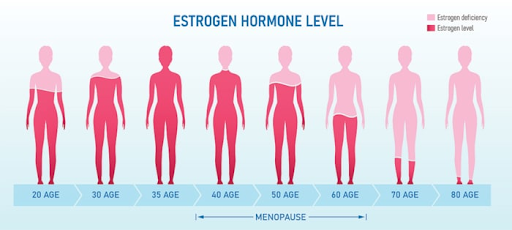
Due to reduced oestrogen levels, women experience an accelerated decrease in skeletal muscle mass, with evidence demonstrating losses of up to 1.5% per year during menopause (3). This reduced skeletal muscle strength can contribute to increased joint pain, reduced functional capacity and greater falls risk. There is also an associated increase in fat mass, increasing cardiometabolic risk and joint loads.

Skeletal system:

Postmenopausal women may lose up to 20% of their bone mineral density in the initial 7 years following menopause due to decreased circulating oestrogen (4, 5). This results in a much higher risk of osteopenia, osteoporosis and fragility fractures, which can in turn lead to chronic pain, loss of independence and increased mortality.

Connective tissues:

Hormonal changes during menopause also affect the body’s connective tissues, with over 70% of women experiencing symptoms.6 Tendons and ligaments become more prone to stiffness, micro tears and injury (7) and have reduced capacity for healing and repair (8). This can manifest as joint pain and stiffness, commonly around the hip, knee, shoulder and ankle. Often, these symptoms impact physical activity levels and recreation.

The GOOD news… there are many ways that you can prevent or reduce your risk of many of these musculoskeletal changes…


5 Key Strategies to Maximise Your Health

  1. Resistance training – aim for 2 sessions per week. Critical for maintaining (and improving) muscle strength, bone mass, posture and balance, as well as being important for joint and tendon health (9).
  2. Optimal nutrition – key nutrients include calcium and Vitamin D (bone health), protein (muscle repair) and omega-3’s (reduce inflammation) (10).
  3. Menopause Hormone Therapy (MHT) – consult your GP or specialist for suitability, may be useful for symptom management as well as bone and muscle health (11).
  4. Daily exercise – light activities such as walking, yoga, Pilates, swimming and gardening can help with joint stiffness, weight management and mood (12).
  5. Sleep and stress – mindfulness, sleep hygiene and relaxation strategies can be helpful in reducing pain severity and inflammation (13)


Menopause and Musculoskeletal Health Figure 1. Menopause & the Musculoskeletal System. Sydney Pelvic Clinic, 2025.14
 

Physiotherapists are well placed to guide you through this critical stage of life, from early intervention and prevention to injury rehabilitation and maintenance programs.

Proactive individual assessments, tailored exercise programs and education are all essential parts of preserving musculoskeletal health, reducing falls risk and empowering women to maintain independence and quality of life.

The Body Refinery’s Physiotherapists and Exercise Physiologists are highly skilled in the area of Women’s Health through the life stages. To book an appointment to discuss how different treatments and/or exercise routines can help you live better, call our friendly admin team on 3358 3915.


Written by Vanessa Alvaro, APA Titled Sports & Exercise Physiotherapist.

_ _ _ _ _

References

1. Turner, K., Crampton, J.S. & Dobbin, N. (2025). Physiotherapists’ perceptions on the management of musculoskeletal conditions in women of perimenopausal and menopausal age: a qualitative focus group study. Physiotherapy Theory and Practice, pp.1-14.

2. Rostami-Moez, M., Masoumi, S.Z., Otogara, M., Farahani, F., Alimohammadi; Oshvandi, K. (2023). Examining the health-related needs of females during menopause: A systematic review study. Journal of Menopausal Medicine, 29(1), p.1.

3. El Khoudary, SR, Aggarwal, B, Beckie, TM, et al (2020). Menopause transition and cardiovascular risk: Implications for timing of early prevention: A scientific statement from the American Heart Association. Journal of the American Heart Association, 9(9), e013219.

4.> National Institutes of Health (2023). Osteoporosis and Related Bone Diseases National Resource Centre. Retrieved from: https://www.bones.nih.gov

5. Greendale, GA & Sowers, MF (1997). Bone mineral density loss in relation to the final menstrual period in a multiethnic cohort: Results from the Study of Women’s Health Across the Nation (SWAN). Annals of the New York Academy of Sciences, 828, 63-80.

6. Wright, V. J., Schwartzman, J. D., Itinoche, R., & Wittstein, J. (2024). The musculoskeletal syndrome of Menopause. Climacteric: The Journal of the International Menopause Society, 27(5), 466-472. https://doi.org/10.1080/13697137.2024.2380363

7. Frizzero, A., Vittadini, F., Gasparre, G., & Masiero, S. (2014). Impact of oestrogen deficiency and aging on tendon: Concise review. Muscles, Ligaments and Tendons Journal, 4(3), 324-328.

8. Chidi-Ogbolu, N.; Baar, K. (2019). Effect of estrogen on musculoskeletal performance and injury risk. Frontiers in Physiology, 9, 1834. https://doi.org/10.3389/fphys.2018.01834

9. Capel-Alcaraz, A.M., García-López, H., Castro-Sánchez, A.M., Fernández-Sánchez, M. & Lara-Palomo, I.C. (2023). The efficacy of strength exercises for reducing the symptoms of menopause: a systematic review. Journal of clinical medicine, 12(2), p.548.

10. Erdélyi, A., Pálfi, E., Tűű, L., Nas, K., Szűcs, Z., Török, M., Jakab, A. & Várbíró, (2023). The importance of nutrition in menopause and perimenopause—a review. Nutrients, 16(1), p.27.

11. Ganderton, C., Semciw, A., Cook, J. & Pizzari, T. (2016). The effect of female sex hormone supplementation on tendons in pre and postmenopausal women: a systematic review. Journal of musculoskeletal & neuronal interactions, 16(2), p.92.

12. Pettee Gabriel, K., Mason, J.M. & Sternfeld, B. (2015). Recent evidence exploring the associations between physical activity and menopausal symptoms in midlife women: perceived risks and possible health benefits. Women’s midlife health, 1, pp.1-28.

13. Baker, F.C., De Zambotti, M., Colrain, I.M. & Bei, B. (2018). Sleep problems during the menopausal transition: prevalence, impact, and management challenges. Nature and science of sleep, pp.73-95.

14. Sydney Pelvic Clinic. (2025). Menopause & the Musculoskeletal System. Retrieved from https://www.sydneypelvicclinic.com.au/menopause-and-the-musculoskeletal-system.

Falls Prevention Starts with Movement: how movement and Pilates can keep you steady

If you’re over 65, there’s something you should know: about one in three people your age will take a tumble this year.¹ Sometimes it’s just a harmless slip. But often, falls can lead to broken bones, head knocks, hospital visits, and, just as importantly, a knock to your confidence.

And when confidence takes a hit, people start avoiding activity. Less movement means weaker muscles, poorer balance, and—you guessed it—an even higher risk of falling. It can turn into a vicious cycle. But here’s the good news: with the right kind of exercise, you can break that cycle and feel steady on your feet again.


Why exercise is the secret weapon against falls

Exercise is one of the best “medicines” for preventing falls. In fact, research shows that specific programs focusing on balance, strength, and mobility can cut the risk of falling by up to 30%.² ³ 

Here’s why:

  • Balance training teaches your body how to react quickly and recover when you wobble.
  • Strength work builds up your muscles (especially in your legs and core) so you can catch yourself.
  • Mobility exercises keep your joints moving easily, so you don’t feel stiff or stuck.

Exercise gives bonus benefits like stronger bones, healthier hearts, and more energy. Not bad for something that doesn’t come in pill form.


Why a Physiotherapist makes all the difference

While moving more is always better than sitting still, the magic really happens when a physiotherapist is in your corner. Physiotherapists at The Body Refinery don’t just hand you an exercise sheet—they look at your unique situation, guide you through safe progressions, and encourage you on as you improve.

Research says physio-led programs get better results than going it alone.⁴ ⁵ When you know you’re in safe hands, it’s easier to show up, stick with it, and build confidence in your body again.


Pilates: more than just fancy stretching

You might think Pilates is only for ballerinas and bendy yoga types, but think again. Pilates is a gentle, low-impact way to train balance, core strength, and posture—all the ingredients for staying upright.

Studies show Pilates can improve mobility, balance, and even reduce the fear of falling.⁶ ⁷ And that last part is a big deal. Because when you stop worrying about falling, you move more. And when you move more, your muscles and balance get even better. 

The little plus—Pilates is fun. You’ll feel taller, stronger, and maybe even a little smug about doing something your grandkids would find impressive.


How we do things at The Body Refinery

Here at The Body Refinery, in New Farm, we’ve been helping our clients stay strong, steady, and confident for the past 18 years. Our team of Physiotherapists and Exercise Physiologists are a friendly and hight qualified team who have experience when it comes to falls prevention.

We offer one-on-one sessions, small group classes, or physio-led group programs—so you can choose the vibe that suits you best. Our space is equipped with a full Pilates studio and a modern gym, so whether you love the reformer, hand weights, or a mix of both, we’ve got you covered.

Most importantly, we love seeing our clients reclaim their independence, feel stronger, and walk away with more confidence in their daily lives.


Falls might be common, but they don’t have to be part of your story. With the right support, appropriate exercise, and maybe a dash of Pilates magic, you can keep living the active, independent life you love.

So, are you ready to steady yourself? Let’s get moving. Join our community at our studio – The Body Refinery, in New Farm

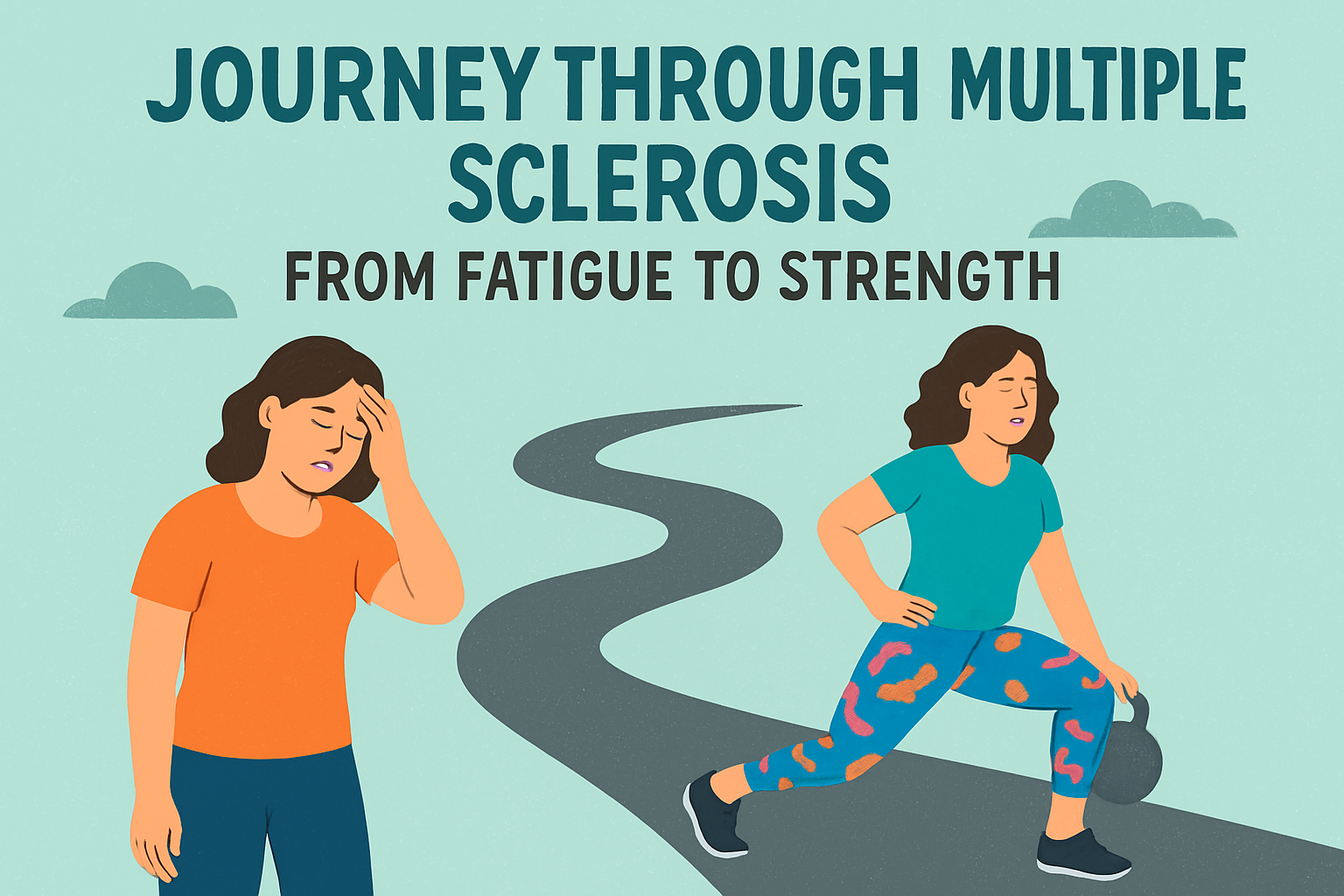
Journey through Multiple Sclerosis: from Fatigue to Strength

Journey through Multiple Sclerosis: from Fatigue to Strength

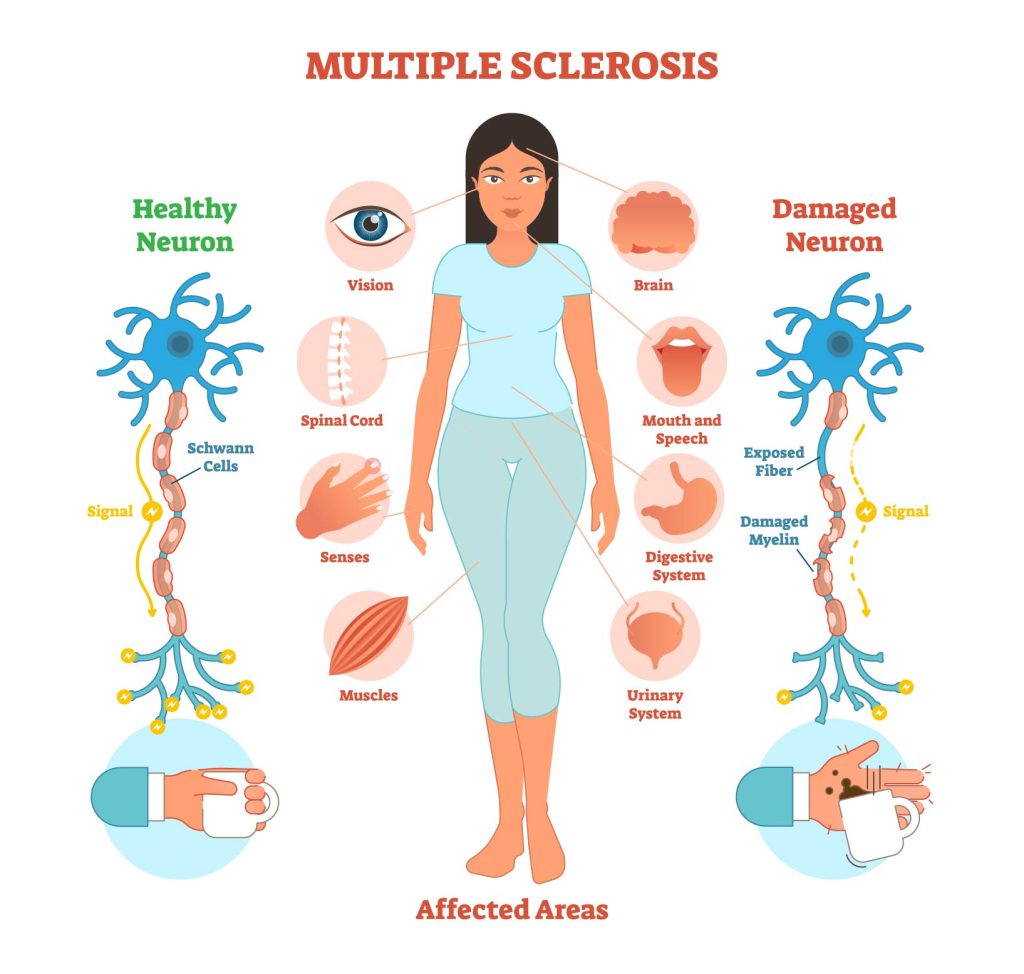
Multiple sclerosis (MS) is a long-term condition that affects the brain and spinal cord. The immune system mistakenly attacks the protective covering around nerves, leading to damage and scarring. As a result, brain-to-body messages are interrupted, which affects both the body and the mind.

Common Symptoms of Multiple Sclerosis

MS can look different for everyone, but many people experience:

  • Fatigue (extreme tiredness)
  • Muscle weakness
  • Balance problems and dizziness
  • Difficulty walking or moving around
  • Memory and thinking challenges

How Do Physiotherapists Measure Symptoms?

To track your progress and tailor treatment plans, physiotherapists commonly use these simple yet effective tests:

  • MS Impact Scale / Fatigue Impact Scale: Measures how MS or fatigue affects your daily activities and mental state
  • 30 Second Sit-to-Stand Test: Assesses leg strength by counting how many times you can stand from a chair in 30 seconds
  • Mini-BESTest: Evaluates balance and mobility in different situations
  • Timed Up and Go Test: Measures your risk of falls while moving about
  • 10 Metre Walk Test: Measures walking speed and step quality


Multiple Sclerosis: from Fatigue to Strength

How Can Physiotherapists Help?

  1. Fight Fatigue
  • Teach energy-saving strategies, like pacing activities throughout the day
  • Introduce aerobic exercises, which improve sleep quality and energy levels
  1. Build Muscle Strength
  • Guide you through strengthening exercises that target weak muscles
  • Teach breathing exercises to strengthen muscles used for breathing
  1. Improve Balance and Prevent Falls
  • Prescribe traditional balance exercises or vestibular training, which includes eye and head movement
  1. Restore and Maintain Mobility
  • Support you to stand and walk as much as possible, which improves muscle strength, bone health, and blood circulation

Need Support?

If you or a loved one is living with Multiple Sclerosis, our physiotherapists at The Body Refinery, in New Farm, are here to help.

We offer personalised treatment plans based on your needs and goals — whether that’s walking more confidently, staying independent, or simply improving your day-to-day comfort.


Written by Physiotherapist Meng

Meet Your Core: Why Core Stability Is More Than Just Abs

studio pilates class The Body Refinery New Farm studio

When most people think of their “core,” they imagine washboard abs or six-packs. But at The Body Refinery, we know core strength goes much deeper — and it’s one of the most important foundations for staying injury-free and moving well throughout life.

Whether you’re an office worker, athlete, parent, or recovering from an injury, building core stability is key to long-term mobility, strength, and pain prevention. And there’s no better way to do it than through the targeted, evidence-based approach we use at our Pilates and Physiotherapy studio in New Farm.

What Is Your Core, Really?

Your core isn’t just one muscle, and it’s not just about abs. It’s a group of deep stabilising muscles that include:

  • Transversus abdominis (TVA) – your body’s natural corset
  • Multifidus – small muscles supporting each vertebra
  • Pelvic floor muscles – crucial for stability and continence
  • Diaphragm – the key muscle for breathing
  • Obliques & rectus abdominis – for twisting and flexing
  • Erector spinae & spinal stabilisers – for maintaining posture

Together, these muscles support your spine, improve posture, and allow your limbs to move efficiently and safely — all essential for living and moving injury-free.

Why Core Stability Matters

A strong and stable core:

  • Reduces the likelihood of lower back pain
  • Improves posture and alignment
  • Boosts balance and coordination
  • Prevents injuries in daily life and sport
  • Supports pelvic floor and spinal health

At The Body Refinery, we regularly see clients from New Farm and surrounding Brisbane suburbs who experience pain or dysfunction most of the time because their core muscles aren’t strong enough.

Pilates-based Rehab classes Physiotherapy New Farm The Body Refienry

Pilates and Physiotherapy: A Powerful Combination for Core Health

Combining Pilates-based Rehab with Physiotherapy is one of the most effective ways to strengthen your core.
Our experienced Physiotherapists and Pilates instructors in New Farm use movement strategies to:

  • Activate deep stabilising muscles like the TVA and pelvic floor
  • Improve pelvic alignment and core coordination
  • Teach diaphragmatic breathing for better movement control
  • Address imbalances that may lead to pain or injury
  • Guide safe progression after injury, pregnancy, or surgery

Whether you’re recovering from a back injury, managing pelvic floor concerns, or simply looking to move better, our tailored sessions meet you where you are and help build the core strength you actually need.

How to Start Engaging Your Core – The Right Way

Here are three simple ways you can start connecting to your core today:

1. Breathe Properly
Lie down or sit tall. Take a deep breath into your ribs and belly (not just your chest). As you exhale, gently draw your belly in — this starts to engage your deep core.

2. Small, Focused Movements
Core training doesn’t need to be extreme. Small movements with high focus (like heel slides or pelvic tilts) build the deep foundation that other exercises sometimes miss.

3. Get Expert Guidance
Working with a Physiotherapist or Pilates instructor ensures you’re activating the right muscles, not overcompensating with your back or hips.

Pilates-based Rehab classes Physiotherapy New Farm The Body Refienry

Why Choose The Body Refinery in New Farm?

We’ve helped thousands of Brisbane locals build strength, improve mobility, and live injury-free with our unique integration of Physiotherapy and Pilates.

At The Body Refinery, you’ll get:

  • One-on-one and small group Pilates sessions: Pilates-based Rehab Classes (link) and Studio classes (Link)
  • Physiotherapist-led programs tailored to your body
  • Reformer and mat Pilates options
  • Pregnancy and postnatal care
  • Evidence-based treatment and education

Our beautiful studio in New Farm is welcoming, fully equipped, and staffed by a team who truly understands the science of movement.

Join us through our App (link) or visit the studio in New Farm: 2/15 Lamington Street.

Physiotherapy or Exercise Physiology – which appointment should I book?

Physiotherapist:

When to see a Physiotherapist:

  • New or unexplained pain
  • Sports injuries
  • Post-surgery rehab
  • Conditions like back, neck or shoulder pain
  • Arthritis
  • Balance issues
  • Hands-on treatments (massage, mobilisation, dry needling)

Conditions Treated:

  • Musculoskeletal injuries (sprains, strains, ACL tears)
  • Post-surgical rehab (joint replacements, ligament repairs)
  • Arthritic conditions
  • Respiratory issues (asthma, COPD)
  • Neurological disorders (Parkinson’s, MS)
  • Headaches related to musculoskeletal issues
  • Stroke and cancer recovery


Exercise Physiologist:

When to see an Exercise Physiologist:

  • Recovering from injury
  • Managing chronic conditions (e.g. heart disease, diabetes, mental health)
  • Weight loss or fitness goals
  • Pre- or post-surgical conditioning
  • Chronic fatigue
  • Perimenopause

Conditions Treated:

  • Chronic diseases like diabetes, cardiovascular issues, and osteoporosis
  • Weight management
  • Mental health support

Physiotherapists are ideal for acute injuries, pain management, and rehabilitation, while Exercise Physiologists focus on long-term health, chronic disease management, and fitness improvement.

Consider your specific needs and goals to select the professional best suited to help you achieve optimal health and recovery.

How Exercise Can Assist During Cancer Treatment

exercise physiology gym new farm

The number of cancer survivors worldwide is growing each year. Cancer survivors face unique challenges and changes to their health as a result of the cancer itself as well as side effects from treatment. Cancer survivors often experience declines in quality of life and physical functioning as well as an increased risk of cancer recurrence. In 2009, Exercise & Sports Science Australia published the first-ever position statement on exercise guidelines in the world for people with cancer. Since then, there has been exponential growth in research evaluating the role of exercise during cancer treatment.

What is cancer?

Cancer is a disease of the basic building blocks of the human body, the cells. Cells are constantly regenerating in order to heal injuries, grow and replace. Cancer occurs when this process goes awry, and the cells become abnormal. As this process continues and the cells divide further, a lump forms which is called a tumour. Cancerous tumours spread to nearby tissue and can travel to distant parts of the body where new tumours form. There are more than 100 types of cancer, and they are generally named after the organ or tissue from which it originated.

How is cancer treated?

The combination, or pathway, of treatment a patient chooses depends on the type and stage of cancer. The most common types of treatment are: surgery to remove cancerous cells; chemotherapy using chemicals to attack the cancer; and radiation therapy, where radiation is targeted to reduce or kill a tumour.

How exercise can assist during cancer treatment the body refinery exercise physiology rehabilitation new farm

How does exercise help?

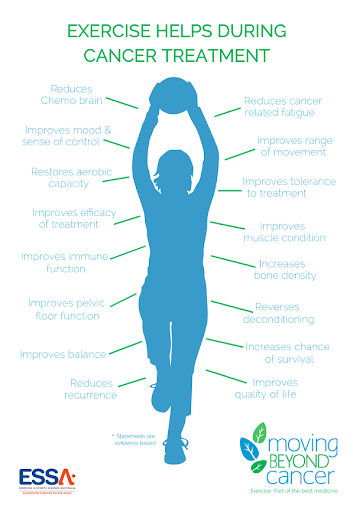
Research shows that exercise benefits most patients before, during and after cancer treatment. Specifically for cancer patients, exercise may:

  • Improve the body’s response to treatment.
  • Reduce the risk and severity of side effects of cancer treatment.
  • Reduce surgery complications and time spent in the hospital.
  • Help maintain a healthy weight.
  • Improve recovery from treatment by: increasing energy levels; reducing treatment-related muscle loss; stringing bones and improving mobility and balance.
  • Improve sleep
  • Reduce fatigue
  • relive Relieve stress, anxiety and depression.
  • Reduce the risk of developing high blood pressure, heart disease, stroke, osteoporosis and Type 2 diabetes.
  • Reduce the risk of certain cancers returning, including breast, prostate, and bowel cancers.
  • Boost mood and self-esteem.

How much exercise is appropriate?

Exercise goals for anyone, including those undergoing or recovering from cancer treatment, should be based on being as physically active as their abilities allow. Exercise for cancer patients will look different for everyone, depending on the type of cancer, stage, and side effects. The Clinical Oncology Society of Australia states that people with cancer who are relatively healthy and have been assessed as low risk, should include 2.5 hours of moderate-intensity aerobic/cardio exercise or 1.5 hours of vigorous aerobic/cardio exercise per week. As well as this, 2-3 strength resistance sessions per week should be undertaken to build muscle strength. If it has been a while since someone has been active, or their fitness level is low, it’s important to begin slowly and build up gradually.

Where to from here?

If you are undergoing treatment for cancer or recovering from cancer and would like more information or an exercise program that is tailored to your personal needs and circumstances, speak to an accredited Exercise Physiologist about how much and what type of exercise is best for you.

We are lucky to have very qualified and talented Exercise Physiologists here at The Body Refinery, in New Farm. Book your appointment today.


Article written by Jess Crawford, Exercise Physiologist.

Pregnancy-related Pelvic Girdle Pain

Pregnancy-related Pelvic Girdle Pain women's health physiotherapy new farm

What is Pregnancy-related Pelvic Girdle Pain (PrPGP)?

Pregnancy-related Pelvic Girdle Pain is a pain in and around the pelvis that can occur during or after pregnancy. It is reported that approximately 44% of pregnant women will experience some type of pelvic girdle pain throughout their pregnancy. It can persist into the postpartum period, but in most cases, it does resolve on its own after birth. It can be felt in the front or back of the pelvis, sides of the hips, buttocks, and groin and may radiate into the thighs.

Pregnancy-related Pelvic Girdle Pain women's health physiotherapy new farm

What Causes it?

During pregnancy, the pelvis changes to accommodate the growth of the baby. There is an increased load on the pelvis and associated postural changes to accommodate this growth. Pain can then occur due to the new position and change of tension on muscles and ligaments across the joints and in surrounding areas. In the past, the hormone Relaxin has been implicated in causing pain by creating g ligament laxity, however, current research has indicated that although ligament laxity occurs during pregnancy, Relaxin does not play a role in this or the PrPGP experienced.

Some positions and movements can aggravate PrPGP, by increasing the load through the joints, including:

  • Sitting cross-legged
  • Walking up stairs
  • Walking fast with long strides
  • Standing with weight on one leg
  • Getting out of the car or bed
  • Rolling over in bed
  • Standing on one leg (e.g. getting dressed)

Sleep 

Sleep is a big contributing factor in all types of pain. Disrupted sleep can create increased sensitivity throughout the whole body, and change how pain is perceived. This means that if sleep is disrupted during pregnancy, due to pain, feeling unwell, or difficulty finding a comfortable position with changes in the body, pain levels may increase, and may feel harder to manage. In such cases, it is important to manage sleep patterns, and seek advice on improving sleep.

Pregnancy-related Pelvic Girdle Pain women's health physiotherapy new farm

How can Physiotherapy Help?

Physiotherapy can assist in the prevention and reduction of PrPGP, through a multimodal approach.

Exercise programs, specifically tailored to each stage of pregnancy, have been shown to reduce pain and associated incapacity. This is important during pregnancy, to maintain activity levels for the health of both mother and baby. Physiotherapists and Exercise Physiologists are able to tailor both pilates-based programs as well as Strength and Conditioning programs to address PrPGP, both antenatally and postnatally, for pain reduction and prevention. Stretches, mobility exercises, and strengthening can also be provided for self-management of PrPGP.

Other treatment options for PrPGP include manual therapy for pain management, as well as fitting a pelvic girdle belt and Dry Needling or Acupuncture.

Our Women’s Health Physios are trained in the treatment of Pregnancy-Related Pelvic Girdle Pain.  Call 3358 3915 to book a Women’s Health appointment.


Blog written by physiotherapist Nykeela