
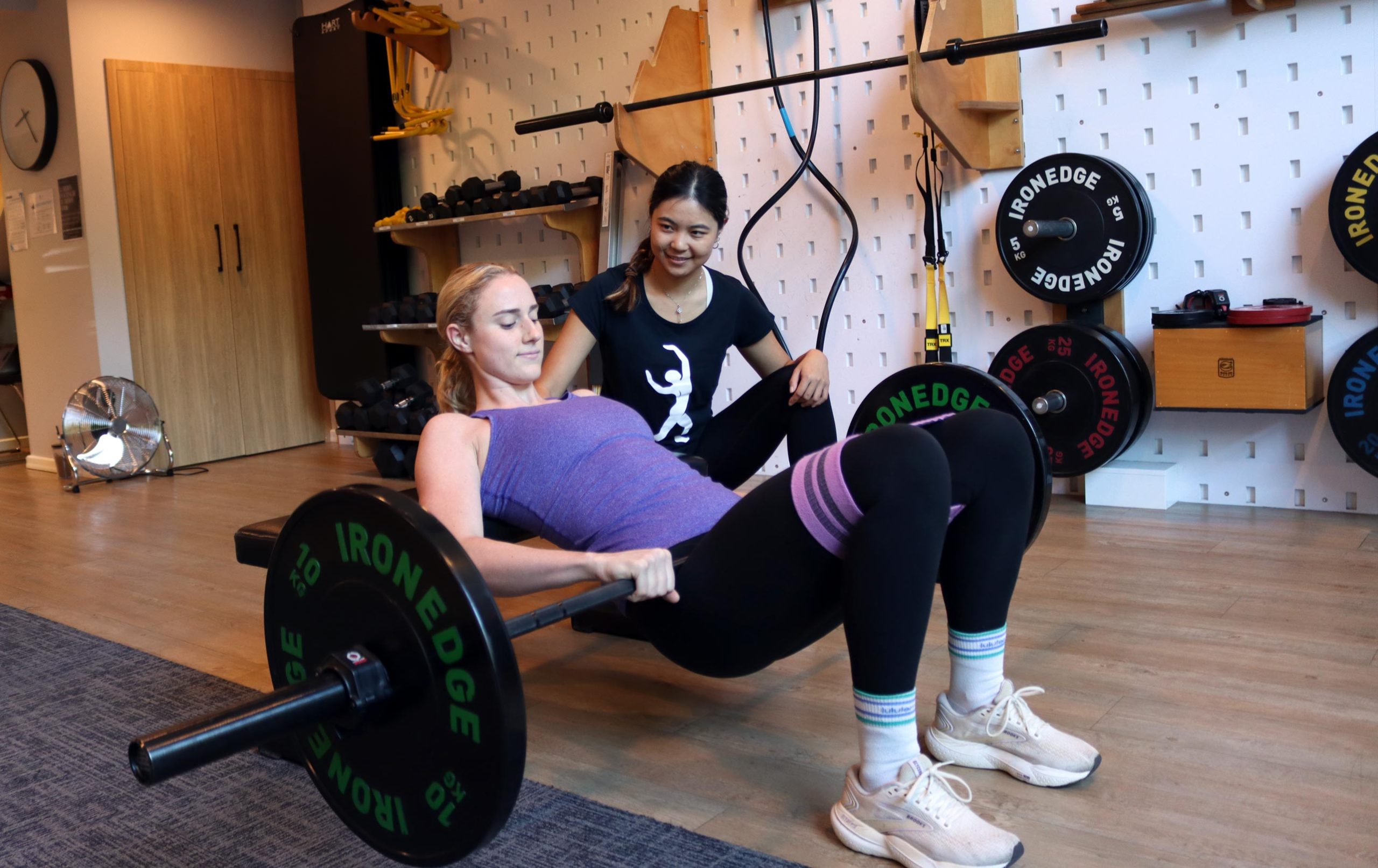
When most people think about exercise, they picture jogging, cycling, or maybe a yoga class. But did you know that lifting weights or doing resistance exercises is one of the most powerful tools for your health? Strength training isn’t just for athletes or bodybuilders. It benefits people of all ages, from teenagers to grandparents, and the science is clear: the rewards far outweigh the risks. Here’s why making strength training a regular part of your routine can change your life – and the earlier in life you start, the better.
Stronger Muscles, Stronger You
As we age, we naturally lose muscle mass and strength — a process called sarcopenia. This is why getting up from the floor or carrying groceries can feel harder over time. The good news? Strength training slows this decline and can even reverse it. Regular weight training helps you:
- Build and maintain muscle
- Improve coordination and balance (helping prevent falls)
- Stay independent for longer
- Lower your risk of dementia and frailty
Even older adults see large improvements; some studies show people in their 60s and beyond can increase their strength by 2–5% just from consistent training. And you don’t need fancy equipment. Bodyweight exercises like squats, push-ups, and planks are a great place to start.
Impact (Loading) Protection
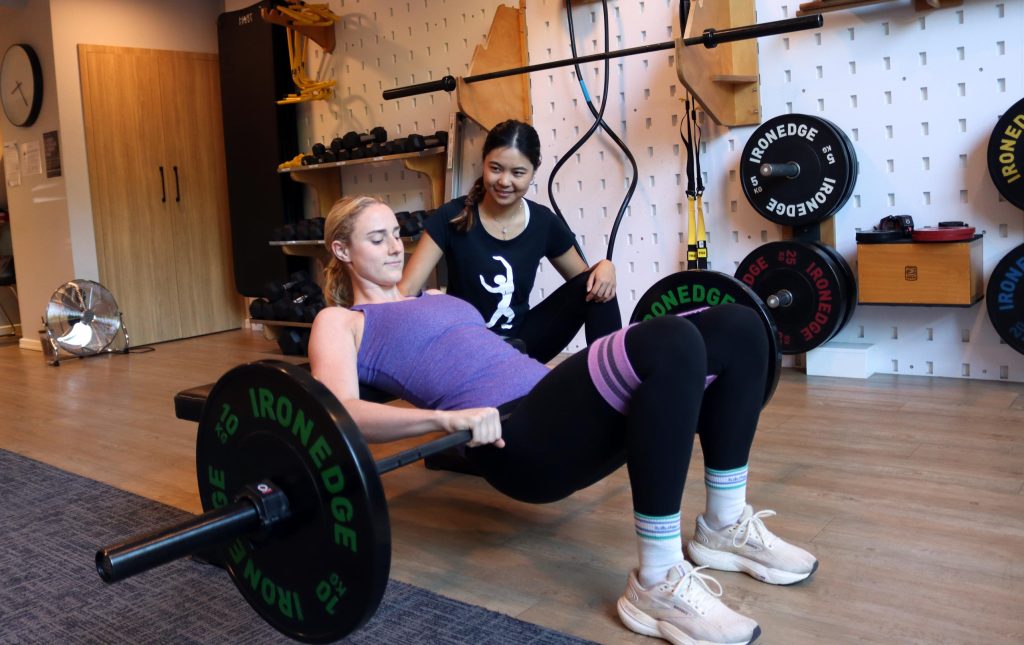
Worried about osteoporosis or fractures as you get older? Strength training is one of the best defences. Bones respond to load. When you lift weights, your body strengthens both your muscles and your bones. This is especially important for women after menopause, when bone density often declines rapidly. Resistance training not only improves bone strength in the hips and spine but also reduces the risk of fractures. And if you’re younger, it’s just as important. Building strong bones in your teens and 20s sets you up for healthier decades ahead.
Less Pain, More Movement
Experiencing back pain, arthritis, or sore knees? Strength training can help reduce pain. For example, people with chronic low back pain often find that strengthening their posterior chain (think glutes, hamstrings, and back muscles) reduces pain and disability, sometimes even more effectively than general exercise. Similarly, strengthening the quadriceps is considered one of the best treatments for knee arthritis. Far from being unsafe, loading the joints with the right exercises can improve long-term joint health. This is where trained professionals (physiotherapists, exercise physiologists, Pilates instructors) at The Body Refinery can help.
A Natural Mood Booster
Exercise is medicine and strength training is no exception. Research shows that it reduces symptoms of anxiety and depression, improves sleep quality, and boosts brain function during the day. It’s not just your body that gets stronger; your mind does too.
Living Longer (and Healthier)
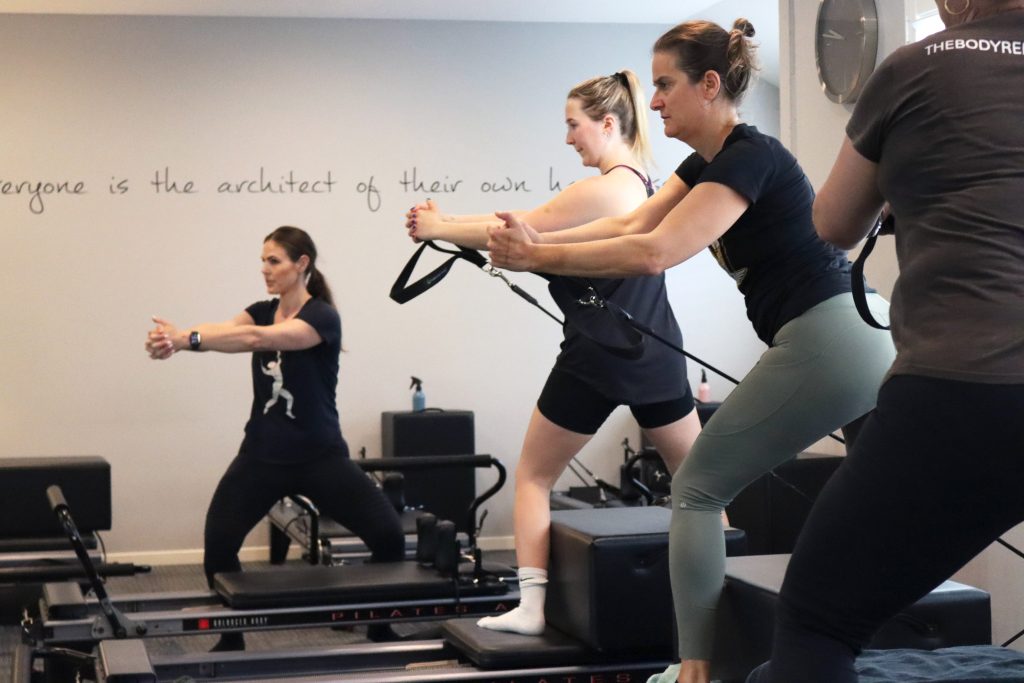
Muscle isn’t just about strength; it’s a metabolic powerhouse. Strong muscles release protective proteins called myokines that reduce inflammation, support your immune system, and even help fight off chronic diseases like type 2 diabetes, heart disease, and cancer. Strength training can lower harmful cholesterol, reduce blood pressure, improve blood sugar control, and support recovery during cancer treatment. In short: more muscle = a longer, healthier life.
Better Brainpower
Want to stay sharp as you age? Strength training has been linked to better memory, focus, and overall brain health. Moderate, consistent resistance exercise seems especially effective for preventing cognitive decline. Pair it with aerobic exercise like walking or cycling, and you’ve got one of the most powerful brain-boosting combos out there.
Getting Started: Simple Tips
You don’t need to spend hours in the gym to see benefits. Here’s how to begin safely:
- Start small: Bodyweight exercises (squats, lunges, push-ups) are perfect for beginners.
- Aim for twice a week: Just 2–3 sessions can make a big difference.
- Focus on big movements: Exercises that work multiple muscle groups (like squats or deadlifts) give you more bang for your buck.
- Progress gradually: Increase weight, resistance bands, or reps slowly over time.
- Listen to your body: Some muscle soreness is normal, but sharp pain isn’t.
Final Thoughts
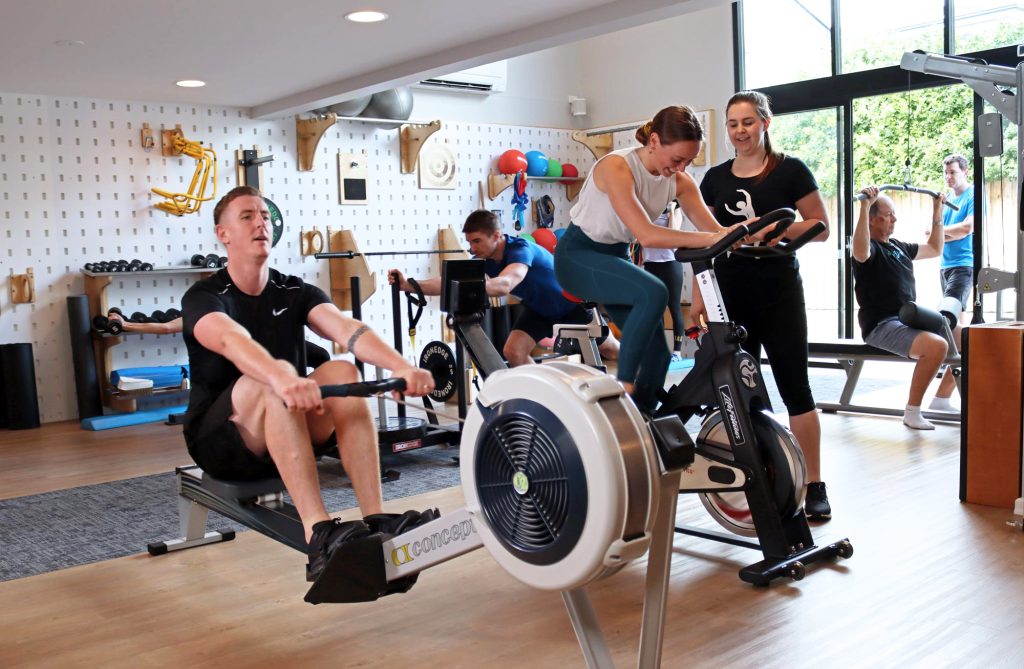
Strength training isn’t just about looking good; it’s about living well. From stronger bones and muscles to better mental health, less pain, and a sharper mind, the evidence is overwhelming. Whether you’re 18 or 80, it’s never too late to start. Your future self will thank you for every squat, push, and lift you do today. So the next time you’re planning your workouts, don’t just think about cardio. Pick up some weights, grab a resistance band, or even just use your own body weight, and start building a stronger, healthier, and longer life.
At The Body Refinery, in our Studio in New Farm, we are a multidisciplinary practice, where your physiotherapist is able to collaborate with your Myotherapist, Exercise Physiologist, Pilates instructor or massage therapist to ensure a faster, more effective treatment and recovery from a range of conditions.
Written by Physiotherapist, Emmanuel